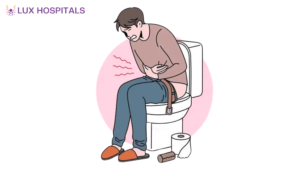













7 Effective Anal Fistula Surgery Options for Lasting Relief
Introduction
Living with an anal fistula can be uncomfortable and even debilitating for many people, affecting not just their daily routine but also their mental well-being. For those struggling with persistent pain, swelling, or recurring infections, the solution may lie in anal fistula surgery. This surgical intervention has proven to be a highly effective option for treating this condition, offering relief and improved quality of life.
Brief Overview of What an Anal Fistula Is:An anal fistula is an abnormal tunnel that forms between the inner lining of the anus or rectum and the skin surrounding the anus. This tunnel typically occurs as a result of an infection in the anal glands, leading to the formation of an abscess that, if untreated, may break through to the skin surface. The opening of this fistula on the skin allows pus or other fluids to drain, causing discomfort, irritation, and, in some cases, serious infections. Anal fistula surgery is often necessary to address and correct this condition, effectively closing the abnormal tunnel and alleviating symptoms.
Anal fistulas can range from simple, superficial tracts to more complex, deep-seated tunnels that involve surrounding muscles, making their treatment challenging. Without timely intervention, these fistulas can persist or worsen, leading to complications like fecal incontinence, recurrent abscesses, and chronic pain. Anal fistula surgery is crucial in addressing these issues, providing a solution that can prevent further complications and improve the patient’s quality of life.
The Importance of Addressing an Anal Fistula: Ignoring or delaying treatment for an anal fistula can have serious consequences. Fistulas do not heal on their own, and while some may manage the symptoms temporarily with home remedies or medications, the infection within the tract often remains active. Over time, this can result in more severe infections, scarring, and even the formation of multiple tracts, making treatment more complicated and the risk of recurrence higher. Anal fistula surgery is essential for addressing the underlying issue effectively. Early diagnosis and surgical intervention can significantly reduce these risks, improving the chances of a successful recovery and preventing further complications.
Role of Surgery as a Common Solution for Anal Fistulas: Surgery is often the recommended treatment for anal fistulas, especially when less invasive options fail to provide relief. The reason for this is simple: anal fistula surgery aims to eliminate the infected tract and promote healing in a way that minimizes the risk of recurrence. Several surgical options are available, depending on the complexity of the fistula and the patient’s overall health. From fistulotomies to advanced techniques like LIFT and VAAFT, anal fistula surgery provides a clear pathway to long-term relief. Consulting a specialist and choosing the appropriate surgical intervention is crucial for both effective healing and preserving the function of the anal muscles.
In most cases, anal fistula surgery not only provides immediate relief from the physical discomfort but also reduces the emotional stress that often accompanies chronic fistula conditions. By understanding the surgical options available, patients can take control of their treatment journey, making informed decisions about anal fistula surgery that will improve their quality of life.
When is Surgery Necessary?
Surgery becomes necessary for an anal fistula when symptoms like persistent pain, swelling, pus discharge, or recurrent infections occur, indicating that the fistula is not healing on its own. Complications like the formation of multiple tracts or deeper infections can also require anal fistula surgery to prevent further damage, such as fecal incontinence or abscess formation.
While non-surgical treatments like antibiotics or drainage of abscesses may provide temporary relief, they often fail to completely heal the fistula, especially in complex cases. In these situations, anal fistula surgery is the most effective option for long-term recovery and preventing recurrence.
Types of Anal Fistula Surgeries
When it comes to treating anal fistulas, anal fistula surgery is often the most effective way to ensure complete healing. The type of anal fistula surgery required depends on the complexity and location of the fistula, as well as the patient’s overall health. Below are the various surgical options available, each suited to different types of fistulas.

1. Fistulotomy
- Description and How It Works: A fistulotomy is the most common surgical procedure for anal fistulas, especially superficial ones. In this procedure, the surgeon opens the entire length of the fistula tract by making an incision. This allows the tract to heal from the inside out, essentially turning the fistula into a flat wound that can close naturally.
- Ideal for Superficial Fistulas: Fistulotomies are typically used for simple, low-lying fistulas that don’t pass through much muscle tissue. They work best when the fistula is close to the surface of the skin and involves minimal risk to the anal sphincter muscles.
- Healing Time and Success Rate: Healing time after a fistulotomy can vary but usually takes between 4 to 8 weeks. The success rate is generally high, with more than 90% of patients experiencing complete healing. However, the risk of incontinence is minimal in simple cases, as the procedure is less invasive to muscle tissues.
2. Seton Placement
- Explanation of How a Seton Works: A seton is a thin surgical thread or tube that is placed through the fistula tract. It allows the fistula to drain while keeping the tract open, helping to prevent infection. There are two types of setons: loose and cutting. A loose seton allows for drainage and reduces infection risk, while a cutting seton gradually cuts through the fistula, helping it heal over time.
- Used in Complex Fistulas or High-Risk Patients: Seton placement is often used in patients with complex fistulas that pass through a significant portion of the anal sphincter muscles. It is also ideal for high-risk patients, such as those with Crohn’s disease, where the preservation of sphincter function is crucial.
- Pros and Cons of This Method: The advantage of seton placement is that it minimizes the risk of incontinence while promoting gradual healing. However, it requires a longer treatment duration, and multiple procedures may be needed. It is not always a permanent solution and may need to be combined with other surgical options.
3. Fistulectomy
- Complete Removal of the Fistula Tract: A fistulectomy involves the complete removal of the fistula tract. The surgeon excises the entire tunnel, removing the infected tissue completely. This procedure is more invasive than a fistulotomy but ensures that no part of the fistula remains.
- Recovery and Potential Complications: Recovery after a fistulectomy is generally longer, taking about 6 to 12 weeks. The wound heals gradually from the inside out, similar to a fistulotomy. The risk of complications like infection or delayed healing is higher, and there may be some risk to the sphincter muscles, leading to potential incontinence in rare cases.
4. Advancement Flap Procedure
- Suitable for Deep or Complex Fistulas: The advancement flap procedure is a specialized surgery used for deep or complex fistulas, particularly when they pass through the sphincter muscles. It’s typically chosen when there’s a higher risk of incontinence due to the fistula’s location.
- Explanation of the Technique and Its Benefits: In this procedure, the surgeon removes the fistula tract and covers the internal opening with a healthy tissue flap, taken from the rectum or surrounding area. This helps close the fistula without cutting through the sphincter muscles, preserving their function. The advancement flap procedure is beneficial for minimizing the risk of incontinence while providing effective treatment for complex fistulas. Healing time is usually between 6 to 8 weeks, with good long-term success rates.
5. LIFT (Ligation of the Intersphincteric Fistula Tract)
- Minimally Invasive Procedure: LIFT is a relatively new, minimally invasive procedure designed to treat fistulas that pass through the anal sphincter muscles. Instead of cutting the muscles, the surgeon isolates and ties off the fistula tract, which then heals without affecting muscle function.
- When This Option Is Preferred: The LIFT procedure is ideal for patients with fistulas that are deep or involve the anal sphincter muscles, as it reduces the risk of incontinence. It’s also an excellent option for patients who want to avoid more invasive surgeries. Healing time after LIFT is usually around 4 to 6 weeks, with a high success rate of over 70%, especially for complex fistulas.
6. VAAFT (Video-Assisted Anal Fistula Treatment)
- How Technology Aids in Minimally Invasive Surgery: VAAFT is a cutting-edge, minimally invasive procedure that uses a small camera (endoscope) to visualize the fistula tract from the inside. This allows the surgeon to accurately locate and remove the fistula tissue without damaging surrounding structures. VAAFT is particularly useful for complex fistulas, as the camera allows for precision.
- Benefits of VAAFT for Complex Cases: The primary benefit of VAAFT is its minimally invasive nature, which reduces recovery time and pain after surgery. Patients typically experience less discomfort compared to traditional surgeries, and the risk of incontinence is lower. VAAFT is especially effective for complex fistulas, as it provides a direct view of the fistula, ensuring that all infected tissue is removed.
7. Fibrin Glue and Bioprosthetic Plug
- Non-Invasive Options: Fibrin glue and bioprosthetic plugs are two non-invasive options for treating anal fistulas. Fibrin glue is a sealant that is injected into the fistula tract, promoting tissue healing by sealing the internal opening. The bioprosthetic plug, on the other hand, is a biological material inserted into the fistula tract to block it, allowing natural healing.
- When They Are Viable Alternatives: These options are typically reserved for simple fistulas or cases where surgery is not an immediate option due to the patient’s health. They are less invasive than other surgical procedures, making them ideal for patients who cannot undergo more aggressive surgery. However, the success rate for fibrin glue and plugs is lower, with recurrence rates higher compared to other surgical options, so they are often seen as temporary solutions or adjuncts to more definitive surgeries.
Each type of anal fistula surgery has its benefits and risks, and the choice of procedure depends on the fistula’s complexity, the patient’s health, and the surgeon’s expertise. Consulting with a specialist to determine the best treatment option is essential for successful recovery.
Choosing the Right Procedure
Selecting the appropriate surgery for an anal fistula depends on several key factors that determine the best course of action for a successful outcome. Each patient’s situation is unique, so it’s important to consider the following:
1. Factors Affecting the Choice of Surgery:
- Fistula Complexity: The location and depth of the fistula are critical in deciding which procedure is suitable. Simple, superficial fistulas can often be treated with less invasive surgeries like fistulotomy, while complex or deep fistulas involving the sphincter muscles may require advanced techniques like the advancement flap procedure, LIFT, or VAAFT to minimize risks.
- Patient’s Overall Health: The patient’s health, including factors like immune function, presence of other conditions (such as Crohn’s disease), or age, can influence the choice of surgery. Healthier patients might recover more easily from more invasive procedures, while those with compromised health may need less invasive options like seton placement or fibrin glue.
- Risk of Incontinence: One of the main concerns when treating an anal fistula is protecting the sphincter muscles to avoid incontinence. For fistulas that pass through a significant portion of these muscles, preserving muscle function becomes a priority, and less invasive options are favored. Complex procedures like advancement flap surgery or LIFT can help minimize the risk of incontinence.
- Fistula Recurrence History: If the patient has experienced recurrent fistulas, more definitive or advanced surgical techniques may be necessary to prevent future complications. In such cases, VAAFT or seton placement may be considered, as these options allow for better visualization and healing.
2. Consultation with a Specialist and Pre-Surgical Evaluations:
A detailed consultation with a specialist is essential for determining the best course of treatment, including the need for anal fistula surgery. The specialist will conduct a thorough evaluation, which may include imaging studies like MRI scans or ultrasound to assess the extent of the fistula and its relationship with the anal sphincter muscles.
During this consultation, the patient’s medical history, lifestyle, and any pre-existing conditions will be discussed to ensure the chosen surgical approach aligns with the patient’s needs. Pre-surgical evaluations are crucial for ruling out any contraindications, such as active infections or co-existing medical conditions that could complicate surgery or recovery.
After these assessments, the specialist will recommend a surgical plan tailored to the complexity of the fistula and the patient’s overall health.
Post-Surgical Care and Recovery
Recovering from anal fistula surgery varies depending on the type of surgery performed, the complexity of the fistula, and the patient’s overall health. Proper post-surgical care plays a crucial role in ensuring a smooth recovery and preventing recurrence or complications.
1. General Recovery Timelines for Each Surgery Type:
- Fistulotomy: Recovery from a fistulotomy typically takes 4 to 8 weeks. The wound heals from the inside out, and regular cleaning and dressing changes are essential during this period. Most patients can resume normal activities after a few weeks, but strenuous activity should be avoided until full healing occurs.
- Seton Placement: The recovery time for seton placement can vary depending on whether a loose or cutting seton is used. A loose seton may remain in place for several weeks or months to allow drainage, while a cutting seton gradually works over weeks to months. Follow-up visits are important to assess the healing process.
- Fistulectomy: Recovery after a fistulectomy generally takes 6 to 12 weeks, as the wound is deeper and may take longer to close fully. Wound care is crucial, and patients may need to refrain from strenuous activities for a longer period.
- Advancement Flap Procedure: The recovery period for the advancement flap procedure is usually around 6 to 8 weeks. This procedure typically has a longer recovery time due to the creation of the tissue flap, and patients may need extra care to ensure proper healing of the internal tissues.
- LIFT (Ligation of the Intersphincteric Fistula Tract): Healing after the LIFT procedure is typically quicker, around 4 to 6 weeks, as it is minimally invasive. Most patients experience less pain and a faster return to normal activities, although follow-up care is essential to ensure complete healing.
- VAAFT (Video-Assisted Anal Fistula Treatment): Recovery from VAAFT is generally faster, with most patients healing within 2 to 4 weeks. The minimally invasive nature of the procedure leads to less pain and quicker recovery, though follow-ups are needed to monitor success.
- Fibrin Glue and Bioprosthetic Plug: These non-invasive procedures typically have the shortest recovery time, with patients often healing within 2 to 3 weeks. However, these options are less likely to be permanent solutions, and patients may require further treatment in the future.
2. Aftercare Tips for Preventing Recurrence and Complications:
- Wound Care: Proper wound care is crucial for avoiding infections and ensuring healing. Patients should clean the area regularly with mild soap and warm water, and dress the wound as directed by their surgeon. Keeping the area dry is important to promote healing.
- Dietary Adjustments: A high-fiber diet is recommended to soften stools and prevent constipation, which can strain the surgical site. Drinking plenty of water and using stool softeners, if necessary, can reduce the risk of complications.
- Avoid Straining: Patients should avoid heavy lifting, strenuous exercise, or activities that put pressure on the rectal area until cleared by their doctor. Rest and gentle movement are recommended to aid healing.
- Pain Management: Over-the-counter pain medications or prescribed pain relievers can help manage discomfort. Warm sitz baths may also reduce pain and promote blood flow to the area, aiding recovery.
- Preventing Infection: Antibiotics may be prescribed to prevent infections. Patients should also avoid sitting for long periods and maintain good hygiene to minimize the risk of bacteria entering the wound.
3. Importance of Follow-Up Visits:
Follow-up visits are critical after anal fistula surgery to monitor healing progress, ensure there are no signs of infection, and check for recurrence. Your surgeon will assess whether the fistula is healing properly and if any further interventions are needed. Regular check-ups also provide an opportunity to address concerns and adjust post-surgical care if complications arise.
For procedures like seton placement, LIFT, or VAAFT, follow-up visits may involve adjusting the seton, reviewing scans, or confirming that the fistula has completely healed. These visits are essential for ensuring long-term success, monitoring healing progress, and reducing the risk of anal fistula recurrence.
Risks and Complications
Understanding the risks and complications associated with anal fistula surgery is crucial for making an informed decision and ensuring a smooth recovery. Each surgical option comes with its own set of potential side effects, and managing these effectively can contribute to a successful outcome.
1. Possible Side Effects and How to Manage Them:
- Infection: Risk: Infection is a common concern with any surgical procedure. Symptoms may include redness, swelling, increased pain, or discharge from the wound.
Management: Maintain proper wound care by keeping the area clean and dry. Follow the surgeon’s instructions on dressing changes and take prescribed antibiotics to prevent or treat infections. - Pain and Discomfort: Risk: Post-surgical pain is normal, but it can be more severe in some cases, especially after more invasive procedures.
Management: Use over-the-counter pain relievers or prescribed medications as directed. Warm sitz baths can ease pain and support the healing process. If pain continues or intensifies, consult your surgeon for further guidance. - Bleeding: Risk: Minor bleeding is expected, but excessive bleeding could be a sign of a complication.
Management: Monitor the amount of bleeding and contact your surgeon if it’s heavy or does not stop. Ensure proper post-operative care and avoid activities that may cause additional strain. - Delayed Healing: Risk: Some patients may experience slower healing due to various factors such as poor blood flow, underlying health conditions, or non-compliance with aftercare.
Management: Adhere to post-surgical care instructions, including a proper diet and avoiding activities that could hinder healing. Follow up regularly with your surgeon to monitor progress. - Incontinence: Risk: Surgery involving the anal sphincter muscles, such as a fistulotomy or advancement flap procedure, carries a risk of incontinence. Management: Discuss potential risks with your surgeon before surgery. Post-surgical rehabilitation and pelvic floor exercises can help strengthen the muscles and improve control.
- Fistula Recurrence: Risk: There is a possibility that the fistula may recur, especially if the initial surgery did not completely address the problem. Management: Follow-up visits are crucial for early detection of recurrence. If symptoms return, additional treatments or procedures may be necessary.
2. Long-Term Success Rates and Recurrence Risk:
- Fistulotomy: Success Rate: Generally high, with a success rate of over 90% for simple fistulas. Success depends on the complexity of the fistula and the patient’s adherence to post-surgical care. Recurrence Risk: Low for straightforward cases, but more complex fistulas have a higher chance of recurrence, especially if not completely addressed.
- Seton Placement: Success Rate: Moderate, as it is effective in draining and managing complex fistulas but may require multiple procedures or additional treatments.
Recurrence Risk: Recurrence is possible if the fistula is not fully addressed. Seton placement is often a step towards more definitive surgery. - Fistulectomy: Success Rate: High, with a success rate comparable to or exceeding that of fistulotomy, especially for complex fistulas.
Recurrence Risk: Relatively low, but complications or incomplete removal can lead to recurrence. Proper post-operative care is essential to minimize this risk. - Advancement Flap Procedure: Success Rate: Generally high, particularly for complex fistulas involving sphincter muscles. Success rates are improved by preserving muscle function.
Recurrence Risk: Moderate, with some risk of recurrence if the fistula was not fully addressed or if healing is compromised. - LIFT (Ligation of the Intersphincteric Fistula Tract): Success Rate: High, especially for complex fistulas. The minimally invasive nature contributes to a successful outcome.
Recurrence Risk: Lower compared to more invasive procedures, but recurrence is possible if the fistula is not entirely eliminated. - VAAFT (Video-Assisted Anal Fistula Treatment): Success Rate: High, with effective results for complex cases due to the precision offered by the endoscopic approach.
Recurrence Risk: Low, with good long-term success if the procedure is performed correctly and follow-up care is adhered to. - Fibrin Glue and Bioprosthetic Plug: Success Rate: Lower compared to surgical options. These methods are less invasive but may have a higher recurrence rate.
Recurrence Risk: Higher, especially for more complex or deep fistulas. These methods are often used as adjuncts or for temporary relief.
Understanding the risks and long-term outcomes of anal fistula surgery helps patients make informed decisions about their treatment options and manage expectations for recovery and success. Regular follow-ups and adherence to post-surgical care are crucial for minimizing complications and ensuring a favorable outcome.
Conclusion
Anal fistula surgery offers various options, each tailored to the complexity of the condition and the patient’s health. By understanding the types of surgeries available, their recovery timelines, and potential risks, you can make an informed decision for effective treatment. Ensuring proper post-surgical care and attending follow-up visits are crucial for a successful recovery and minimizing the risk of recurrence.
If you or a loved one is struggling with an anal fistula, Lux Hospitals in Hyderabad is here to provide expert care and support. Our experienced team is dedicated to offering personalized treatment plans and ensuring the best possible outcomes.
Frequently Asked Questions
An anal fistula is an abnormal tunnel that forms between the anal canal and the skin near the anus. It often results from an infection or abscess and can cause symptoms such as pain, discharge, and swelling.
Surgery is generally recommended when symptoms persist despite non-surgical treatments, or when complications such as recurrent infections or abscesses occur. It is particularly necessary for complex or deep fistulas that do not heal on their own.
The main types of anal fistula surgery include fistulotomy, seton placement, fistulectomy, advancement flap procedure, LIFT (Ligation of the Intersphincteric Fistula Tract), VAAFT (Video-Assisted Anal Fistula Treatment), and non-invasive options like fibrin glue and bioprosthetic plug. Each anal fistula surgery method is tailored to address different complexities of the condition effectively.
Recovery time after anal fistula surgery varies by procedure. Generally, it ranges from 2 to 12 weeks. Simple procedures like fistulotomy typically heal in 4 to 8 weeks, while more complex surgeries like fistulectomy may require a longer recovery period.
Potential risks of anal fistula surgery include infection, pain, bleeding, delayed healing, and incontinence. Recurrence is also a risk if the fistula isn’t fully addressed.
Follow proper wound care instructions, maintain a high-fiber diet to prevent constipation, avoid heavy lifting and strenuous activities, and attend all follow-up visits. Adhering to these practices helps in effective healing and reduces the risk of recurrence.