












Hernia vs Muscle Strain: How to Tell the Difference
Many people confuse a hernia vs muscle strain because both conditions cause similar pain and discomfort, especially around the abdomen or groin. However, the causes, symptoms, and treatments of these two are quite different. Because both hernias and muscle strains can cause similar pain and discomfort, particularly in the belly or groin, many patients mistake one for the other. Understanding the difference between a hernia and a muscle strain is crucial for timely and proper treatment.
Understanding a Hernia
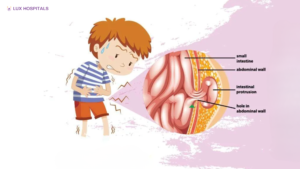
When an internal organ or fatty tissue penetrates the surrounding tissue’s weak spot, a hernia forms. Muscles or connective tissue. This often appears as a visible bulge, especially in the groin, abdomen, or navel area. The bulge may become more noticeable when you cough, bend, or lift something heavy.
There are several types of hernias:
- Inguinal hernia: Occurs in the groin area, more common in men.
- Umbilical hernia: Usually located close to the belly button in infants or overweight adults.
- Incisional hernia: Develops near previous surgical incisions.
The key difference between hernias and muscle strains is that hernias often cause a visible lump and may worsen over time if left untreated. A hernia can become dangerous if the protruding tissue becomes trapped or loses blood supply — a condition known as strangulation, which requires immediate surgery.
Understanding a Muscle Strain
When muscle fibres are strained or torn, a strain results. Due to overuse, sudden movement, or improper lifting techniques. The pain from a muscle strain is usually localised and sharp. Still, unlike a hernia, it does not cause any visible lump or bulge.
Muscle strains can range from mild to severe:
- Mild strain: Slight discomfort or stiffness without loss of strength.
- Moderate strain: Partial tearing of muscle fibres, causing swelling and bruising.
- Severe strain: Complete rupture of the muscle, leading to intense pain and immobility.
In hernia vs muscle strain, a strain typically heals with proper rest, ice, and physical therapy. In contrast, a hernia usually requires surgical correction. Muscle strains are more common among athletes, fitness enthusiasts, and people who perform repetitive lifting tasks.
Symptoms: Hernia vs Muscle Strain
Both conditions share some overlapping symptoms, but there are clear indicators that can help you differentiate between a hernia vs muscle strain.
Common Hernia Symptoms:
- A noticeable protuberance or bump beneath the skin.
- Pain or pressure in the abdomen or groin, especially when coughing or lifting.
- A noticeable protrusion or lump beneath the skin.
- Discomfort that gets worse with exertion and improves when lying down.
Common Muscle Strain Symptoms:
- Sharp, sudden pain during physical activity.
- Swelling, bruising, or tenderness in the affected muscle.
- Muscle weakness or stiffness.
- Pain that improves with rest but worsens with movement is known as muscle soreness.
If you notice a lump that does not disappear when you lie down, it’s likely a hernia. A muscular strain is most likely the cause of soreness or stiffness following exertion if there is no lump.
Causes: What Leads to Hernia vs Muscle Strain
The causes of hernia vs muscle strain differ significantly.
Hernia Causes:
A hernia typically develops due to muscle weakness combined with strain. This weakness may be congenital (present at birth) or acquired over time. Common triggers include:
- Lifting weights without using the proper technique.
- Persistent coughing or sneezing.
- Straining during bowel movements.
- Rapid weight gain or obesity.
- Previous abdominal surgery.
Muscle Strain Causes:
A muscle strain usually occurs when muscles are forced beyond their capacity. Common causes include:
- Overexertion during exercise or sports.
- Improper lifting techniques.
- Lack of stretching before exercise.
- Sudden or awkward movements.
Recognising these triggers can help you prevent both conditions before they become serious.
Diagnosis: How Doctors Tell the Difference
When diagnosing hernia vs muscle strain, doctors follow several key steps:
- Physical Examination:
The doctor begins by checking the affected area for signs of swelling, bulging, or tenderness. For hernias, they may ask you to stand or cough to see if a lump appears or changes in size. - Imaging Tests for Hernia:
Ultrasound, CT scans, or MRI may be performed to confirm the diagnosis.
These scans help visualize the tissue protrusion and determine the severity of the hernia. - Examination for Muscle Strain:
The doctor checks for tenderness, swelling, stiffness, and limited movement in the muscle. They may ask you to perform gentle movements to assess pain and flexibility. - Imaging Tests for Muscle Strain:
MRI or ultrasound scans can detect partial or complete muscle tears and areas of inflammation. - Final Assessment:
An accurate diagnosis is crucial since hernia vs muscle strain requires completely different treatment approaches.
Treatment: Hernia vs Muscle Strain
Hernia Treatment
A hernia doesn’t heal on its own. The only permanent solution is surgical repair.
- Open Surgery: The surgeon pushes the tissue back in and repairs the weak muscle wall.
- Laparoscopic surgery: is a less invasive technique that involves making tiny incisions. For quicker recovery.
- Lifestyle Modifications: Avoid heavy lifting, manage body weight, and eat a high-fibre diet to reduce strain.
Muscle Strain Treatment
A muscle strain can usually heal with conservative treatment.
- Rest: Avoid activities that worsen pain.
- Ice Therapy: Reduces swelling and inflammation.
- Compression and Elevation: Promote faster healing.
- Physical Therapy: Strengthens the muscles and restores flexibility.
- Pain Relief Medication: Eases discomfort during recovery.
In hernia vs muscle strain, hernias require surgery while muscle strains heal with rest and rehabilitation.
When to Seek Medical Help?
Seek medical attention right away if you observe a bulge that becomes painful, hard, or discoloured — these are signs of a trapped or strangulated hernia. Similarly, see a doctor if your muscle pain doesn’t improve after a few days of rest. Persistent pain, swelling, or weakness should not be ignored, as both conditions can worsen without treatment. Consulting a doctor early ensures an accurate diagnosis between a hernia and muscle strain.
Prevention Tips for Hernia vs Muscle Strain
You can lower your risk of both hernia and muscle strain through lifestyle changes and preventive care:
- To lessen the pressure in your abdomen, keep your weight in check.
- Use proper techniques when lifting heavy objects.
- Exercise frequently to build stronger core muscles.
- Avoid smoking and chronic coughing.
- Warm up before workouts and stretch afterwards.
Being aware of your body’s limitations can help you avoid needless stress and harm.
Conclusion
Differentiating between a hernia and a muscle strain is essential for the right treatment. Hernias appear as bulges that often require surgical intervention, whereas strains are stretched muscles that heal with rest. At Lux Hospitals, our specialists ensure accurate diagnosis and personalized care to prevent complications and promote faster recovery. Understanding hernia vs muscle strain empowers you to make informed choices for your long-term health and well-being.
Frequently Asked Questions
A hernia usually appears as a lump that you can feel or see, which becomes more noticeable when you cough or strain. A muscle strain causes soreness without a lump and often improves with rest. A doctor's examination can confirm whether it's a hernia or muscle strain.
A muscle strain itself doesn't directly cause a hernia, but repeated strain can weaken the muscle wall over time. This weakness may eventually lead to a hernia, especially if you lift heavy objects often. Strengthening your core can help prevent this.
Most hernias require surgery since they don't heal on their own. Tissue strangling is one consequence of ignoring a hernia. For the best course of therapy, always visit your physician.
Mild strains can heal within a few days to a week, while moderate to severe strains may take several weeks. Proper rest, ice therapy, and gradual stretching can speed up recovery. To rule out a hernia vs. muscle strain problem, get evaluated by a doctor if the pain continues.
Yes, with proper lifestyle habits. Strengthening your abdominal muscles, maintaining a healthy weight, and lifting carefully can prevent both conditions. Regular exercise and avoiding overexertion are key preventive steps for hernia vs muscle strain.