



Dr. Samhitha Reddy
Consultant Proctologist & Laparoscopic Surgeon
MBBS, MS, FMAS, FISCP, DMAS
- 8 Yrs
- ASCRS Member
Periods that are too heavy, too painful, too frequent or absent altogether are not something to put up with. They are a symptom, and behind them is usually a cause that can be identified and treated.
Many women live with heavy bleeding for years, quietly anaemic, having been told it is simply how their body is. Our gynaecologists at Lux Hospitals, HITEC CITY investigate properly and treat the cause rather than issuing a blanket prescription.
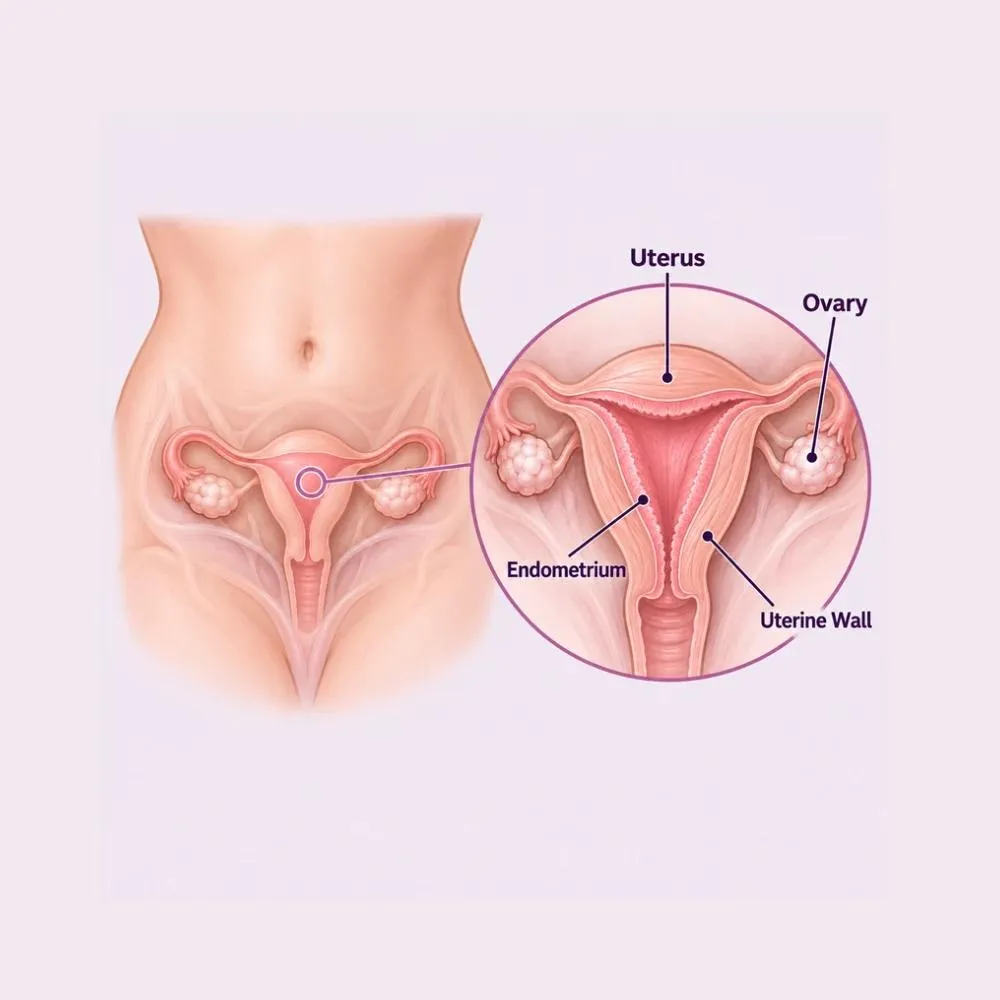
A menstrual disorder is any persistent departure from a normal cycle. Normal covers a wide range: a cycle of twenty-four to thirty-eight days, bleeding for up to eight days, and blood loss that does not interfere with daily life. Outside that range, and particularly where it has changed from your own previous pattern, is worth investigating.
The disorders divide by what has gone wrong. Menorrhagia is bleeding that is too heavy: flooding, clots, or needing to change protection hourly. Oligomenorrhoea is cycles that come too infrequently, and amenorrhoea is periods that have stopped altogether. Dysmenorrhoea is pain severe enough to disrupt normal activity. Metrorrhagia is bleeding between periods, and postmenopausal bleeding is any bleeding after periods have ceased for a year.
These categories matter because they point in different directions. Heavy bleeding suggests a structural cause: fibroids, polyps, adenomyosis. Absent or infrequent periods suggest a hormonal one: PCOS, thyroid disease, raised prolactin. Bleeding between periods or after menopause raises the question of the endometrium and must always be investigated. The pattern is the first and most useful diagnostic clue.
Causes divide broadly into structural problems within the uterus and hormonal problems governing the cycle.
The commonest structural cause of heavy bleeding, particularly submucosal fibroids bulging into the cavity.
Endometrial tissue growing into the muscle wall, producing heavy bleeding with severe cramping and a bulky tender uterus.
The commonest hormonal cause of infrequent or absent periods, through failure of regular ovulation.
Both an underactive and an overactive thyroid disrupt cycles. A simple blood test, and one of the most easily treated causes.
Benign growths in the uterine lining causing bleeding between periods and heavier flow. Removable hysteroscopically.
Von Willebrand disease and platelet disorders present with heavy periods from menarche onward, and are frequently missed for years.
Thickening or malignancy of the lining. The reason bleeding between periods and after menopause is always investigated.
Significant weight change, intensive exercise or severe stress suppress the hormonal signals that drive ovulation.
Heavy periods since your very first period, especially with easy bruising or bleeding after dental work, points to an inherited bleeding disorder. It is commoner than generally recognised and worth specifically asking about.
What matters is the pattern and, above all, whether it has changed from what is normal for you.
Bleeding problems
Pain and associated symptoms
Any bleeding after the menopause needs investigating promptly, without exception. Most causes are benign, but this is the presentation where endometrial cancer is found, and it is found early when acted on quickly.
The investigation follows the pattern: structural causes are imaged, hormonal causes are measured.
Three months of dates, duration and flow. Unglamorous, but it defines the problem more precisely than any single consultation can.
Haemoglobin and ferritin for anaemia, thyroid function, prolactin, and where relevant FSH, LH and testosterone.
Assesses the uterus for fibroids and adenomyosis, measures endometrial thickness, and examines the ovaries.
Outlines the cavity to detect polyps and submucosal fibroids that a standard scan can miss.
Direct inspection of the cavity with a tissue sample. Essential for bleeding between periods, after menopause, or in women over forty-five.
Where heavy bleeding has been present since menarche, testing for von Willebrand disease and platelet function.
A pregnancy test comes first in any woman of reproductive age with absent or abnormal bleeding, however confident she is. It is quick, it is cheap, and it changes everything that follows.
Treatment follows the cause. Most women are managed medically, and surgery is reserved for structural problems or failed treatment.
Reduces menstrual blood loss substantially, taken only during the period. Non-hormonal, so it suits women trying to conceive.
Reduce both pain and blood loss. Most effective when started a day before bleeding is due rather than once it has begun.
A levonorgestrel IUD, which reduces bleeding by around ninety per cent and is the recommended first-line treatment for heavy periods.
Regulate the cycle, lighten bleeding and reduce pain. Useful where contraception is also wanted.
Cyclical or continuous progestogens to regulate bleeding and protect the endometrium where cycles are infrequent.
Thyroid replacement, metformin for PCOS, or treatment for a bleeding disorder: correcting the cause rather than masking the symptom.
Oral or intravenous iron to correct anaemia, which often improves energy and wellbeing more than anything else.
Removal of endometrial polyps through the cervix with no incision. Day care, and often curative for bleeding between periods.
Submucosal fibroids shaved away through the cervix, resolving heavy bleeding without any abdominal surgery.
Destroying the uterine lining to reduce or stop bleeding. Effective where family is complete and the cavity is not distorted.
For fibroid-related bleeding, blocking their blood supply through a catheter with no incision and a short recovery.
Removing fibroids while preserving the uterus, where they are the cause and fertility is to be kept.
Definitive treatment where everything else has failed and family is complete. Effective, but the last option rather than the first.
The hormonal IUD is the recommended first-line treatment for heavy menstrual bleeding, and it is dramatically under-used. It reduces blood loss by around ninety per cent, lasts five years, and is fitted in a single outpatient visit.
Most women reach a diagnosis within a few weeks and are managed without any procedure at all.
Structured investigation and stepped treatment
A menstrual diary alongside a detailed history of cycle length, flow, pain and any change from your own previous normal.
A pregnancy test in every woman of reproductive age, regardless of how unlikely it seems.
Haemoglobin, ferritin, thyroid function, prolactin, and hormonal profile where cycles are infrequent or absent.
Looking for fibroids, adenomyosis, polyps and ovarian abnormality, and measuring the endometrium.
Hysteroscopy and biopsy for bleeding between periods, postmenopausal bleeding, or persistent bleeding over forty-five.
Medical management first in almost every case, chosen according to the cause and whether contraception or fertility is a factor.
Reassessment at three to six months, with procedural options considered only where medical treatment has genuinely been given a fair trial.
Three months is the minimum fair trial for most medical treatments here. Hormonal IUDs in particular often cause irregular spotting for the first three to six months before settling into their full effect.
Heavy and irregular periods are frequently normalised rather than investigated. Here is why patients trust us:
Structural and hormonal causes both investigated, so thyroid disease, polyps and bleeding disorders are found rather than missed.
A hormonal IUD and medical management given a fair trial before any procedure is recommended.
From the first consultation through to post-treatment follow-up, with one team throughout.
Our hospital is in HITEC CITY, near IKEA: easily reachable from across Hyderabad.
Medical treatments take two to three cycles to show their full effect. Procedures work more immediately.
Investigations completed and a cause identified. Treatment started, and iron begun where anaemia is present.
Bleeding begins to improve. Hormonal IUDs commonly cause irregular spotting during this period before settling.
Full effect of medical treatment becomes apparent. Anaemia corrects and energy improves noticeably.
Where medical treatment has not worked, procedural options are considered with a clear record of what was tried.
Periodic review. Hormonal IUDs are replaced every five years, and any new change in pattern is reassessed.
A simple record of dates and flow shows whether treatment is genuinely working, far better than trying to recall it at each appointment.
Irregular spotting for the first three to six months is expected and is not a sign of failure. Most women end up with very light periods or none.
Correcting haemoglobin is only half the job: ferritin stores take three to six months to rebuild. Stopping early means the anaemia returns.
NSAIDs taken a day before your period is due are considerably more effective than the same drug once cramping has established.
This always needs investigating, promptly and every time, even if you have been checked before and it was normal.
What matters is a change from your normal. A new pattern of bleeding between periods or after intercourse is worth reporting even if the flow is light.
The most common thing women say afterwards is that they did not realise how much the bleeding had been affecting them until it stopped. Treating anaemia alongside the bleeding is a large part of that.
Book a consultation if any of the following apply.
Assessment and medical management are inexpensive. Procedures apply only to the minority who need them.
| Procedure | Estimated Cost |
|---|---|
| Consultation Per visit | ₹800 – ₹1,500 |
| Blood workup Haemoglobin, ferritin, thyroid, prolactin, hormones | ₹2,500 – ₹7,000 |
| Pelvic ultrasound First-line imaging | ₹1,500 – ₹3,500 |
| Monthly medication Tranexamic acid, pill or progestogen | ₹300 – ₹2,000 |
| Hormonal IUD insertion Includes device; lasts five years | ₹12,000 – ₹25,000 |
| Hysteroscopy with biopsy Day care | ₹30,000 – ₹60,000 |
| Hysteroscopic polypectomy Day care; no incision | ₹55,000 – ₹1,00,000 |
| Endometrial ablation Day care or one night | ₹85,000 – ₹1,60,000 |
Thyroid disease is corrected with an inexpensive daily tablet. A fibroid or polyp needs a procedure, which is a different order of cost.
Many women need only bloods and an ultrasound. Hysteroscopy is added where the endometrium must be assessed directly.
A hormonal IUD at ₹12,000–₹25,000 lasting five years is often more economical than years of monthly medication.
A shared ward, a twin-sharing room or a private suite: the largest single swing in most estimates.
We are empanelled with most major insurers, and our team files the pre-authorisation for you.
Every figure above is an indicative range, not a quote. After your consultation you are given a written, fixed-cost estimate, and that is the number you pay, with no additions once treatment begins.
The gynaecologists who treat menstrual disorders at our HITEC CITY hospital.

Consultant Gynaecologist & Advanced Laparoscopic Surgeon
MBBS, MS, FMAS
16 years experience

Consultant Obstetrician, Gynecologist & Laparoscopic Surgeon
MBBS, MS (Obstetrics & Gynaecology)
11 years experience
Reviews from women treated for gynaecological conditions at Lux Hospitals, Hyderabad.
Written by Dr. Harshita Kakarla on women’s health and gynaecological care.
Dr. Harshita Kakarla

Dr. Harshita Kakarla

Dr. Harshita Kakarla

Dr. Harshita Kakarla

Dr. Harshita Kakarla
Dr. Harshita Kakarla
Common questions about irregular and heavy periods, their treatment and costs at Lux Hospitals.
Still have questions? Call us at 079 6908 4422
Still have questions? Message us on WhatsApp at 079 6908 4444
Proper investigation of irregular, heavy or painful periods, and treatment aimed at the cause.
Plot No.116, Lumbini Avenue, HITEC CITY, Near IKEA, Hyderabad – 500032













