Dr. Samhitha Reddy
Consultant Proctologist & Laparoscopic Surgeon
MBBS, MS, FMAS, FISCP, DMAS
- 8 Yrs
- ASCRS Member
A persistent cough, blocked nose, sore throat or fever can affect your daily activities, sleep and overall health. While many respiratory infections respond to rest and supportive care, more serious conditions such as influenza and pneumonia may need prompt treatment.
At Lux Hospitals, Hyderabad, patients can seek care for cough, cold, flu, suspected chest infections and other respiratory problems. Whether you have a lingering cough, recurrent fever, chest pain or difficulty breathing, a prompt evaluation can help identify the cause and guide appropriate treatment.
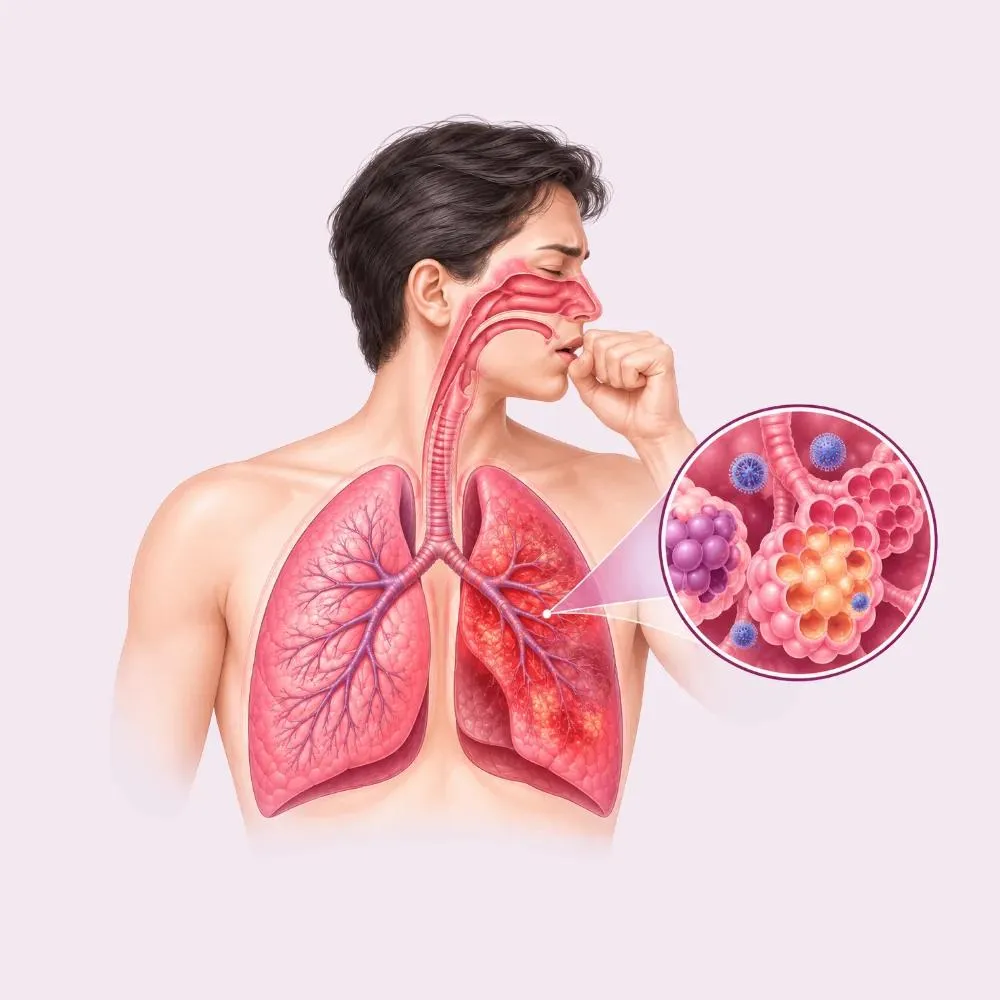
Respiratory infections are illnesses that affect the airways, lungs or other parts of the respiratory system, which includes the nose, throat, windpipe, airways and lungs. They may be caused by viruses, bacteria or, less commonly, fungi, and are broadly divided into two groups.
Upper respiratory tract infections affect the nose, throat and upper airways. Examples include the common cold, viral sore throat, certain sinus infections and influenza involving the upper airways, and symptoms often include nasal congestion, sneezing, a sore throat and a cough. Lower respiratory tract infections affect the larger airways or lung tissue. Examples include acute bronchitis, pneumonia and certain viral chest infections, which may cause a deeper cough, fever, chest discomfort or breathlessness. Severity varies with the infection, age, existing medical conditions and immune response.
Cough, cold, flu and pneumonia can produce overlapping symptoms, but their causes, severity and treatment differ. The common cold is a viral infection of the nose and throat, caused by several respiratory viruses including rhinoviruses. It typically brings a runny or blocked nose, sneezing, sore throat, mild cough, headache and general tiredness. Most uncomplicated colds improve without specific antiviral treatment, and antibiotics do not work against the viruses that cause them.
Influenza (seasonal flu) is a contagious respiratory infection caused by influenza viruses. Unlike a typical cold, it often starts suddenly and can cause more severe symptoms: fever or chills, cough, muscle and body aches, headache, marked fatigue, sore throat and a runny or blocked nose. Some people develop complications, including pneumonia or worsening of existing respiratory conditions, so early medical advice is particularly important for older adults, pregnant women and people with certain chronic illnesses.
Acute bronchitis (a chest cold) occurs when the bronchial airways become inflamed, usually because of a viral infection. It commonly causes a persistent cough, which may bring up mucus, along with mild chest discomfort, fatigue and congestion. Most uncomplicated cases improve without antibiotics, although the cough may continue for several weeks. A clinician may need to rule out pneumonia when symptoms are severe or unusual.
Pneumonia is an infection of the air sacs in one or both lungs. The air sacs may become inflamed and fill with fluid or inflammatory material, making breathing more difficult. It may be caused by bacteria, viruses or other organisms, and common symptoms include fever and chills, a cough (sometimes with phlegm), rapid or difficult breathing, chest pain when breathing or coughing, fatigue and weakness, and confusion, particularly in older adults. Pneumonia can range from a mild illness to a serious condition that needs hospital treatment.
Respiratory illnesses are often caused by exposure to infectious organisms, and several factors can increase the risk or severity of infection.
Viruses often cause influenza, acute bronchitis and the common cold. They can spread through respiratory droplets or contact with contaminated hands and surfaces.
Certain bacteria can cause pneumonia and other respiratory infections. Bacterial infections may occasionally develop after an initial viral illness.
Being near someone who is unwell makes it easier for an infection to pass on.
Smoking, or breathing in other people’s smoke, can irritate the airways.
Infections spread more easily where indoor air is not refreshed.
Existing lung conditions can make respiratory infections more likely or more severe.
Long-term health conditions can raise the risk of a more serious illness.
A weakened immune system is less able to fight off infection.
Older adults may be more vulnerable to respiratory infections and their complications.
Air pollution may irritate the respiratory system and worsen certain symptoms, but it does not establish an infectious diagnosis on its own.
Symptoms depend on the part of the respiratory system affected and the underlying cause.
Common symptoms
Seek emergency care if you have
Not every cough means pneumonia, and respiratory infections can also occur without a high fever. People with underlying heart disease, chronic lung disease or weakened immunity may need earlier assessment.
Diagnosis begins with a review of symptoms, medical history and a physical examination. The doctor may ask about how long you have had a fever, the nature of your cough, any breathing difficulty, recent exposure to illness and existing medical conditions.
A clinician may assess breathing rate, temperature, pulse and breathing pattern. Listening to the chest with a stethoscope can point to possible airway or lung involvement.
A pulse oximeter estimates blood oxygen saturation. Low readings may mean urgent evaluation is needed, though interpretation depends on your condition and the accuracy of the measurement.
May be suggested if pneumonia or another significant lung condition is suspected, to help identify abnormalities in lung tissue. It is not needed for every common cold or cough.
Based on clinical findings, doctors may recommend tests such as a complete blood count. These help with assessment but cannot always identify the organism responsible.
For some people, clinicians may recommend testing for COVID-19, influenza or other respiratory viruses, choosing the test based on symptoms, illness duration, risk factors and treatment options.
Not every cough or cold needs tests: the doctor decides which investigations, if any, are useful in your case.
Treatment depends on whether the infection is viral, bacterial or due to another condition. The goal is to relieve symptoms, manage the underlying infection when necessary and reduce the risk of complications.
Most uncomplicated colds improve with supportive care: adequate rest, enough fluids, saline nasal drops or sprays, appropriate fever or pain medicine, measures to relieve nasal congestion, and avoiding smoking and tobacco exposure. Antibiotics should not be used routinely for a common cold.
Treatment may involve rest, fluids and symptom-relieving medicine. For selected patients, doctors may prescribe antiviral medicines such as oseltamivir, which generally work best when started early, ideally within the first two days of symptoms. Patients with severe or progressive illness, those needing hospital care and people at increased risk of complications may benefit even when antivirals are started later. A qualified clinician should make the decision.
Most uncomplicated acute bronchitis is caused by viruses, so treatment focuses on easing discomfort and supporting recovery, with symptom relief chosen according to age, medical history and the nature of the cough. Routine antibiotics are not recommended for uncomplicated acute bronchitis, and a persistent or worsening cough may need further evaluation for other causes.
Treatment depends on the cause, severity and your overall health. Bacterial pneumonia is generally treated with appropriate antibiotics, and some viral pneumonias may need antiviral treatment when an effective medicine is available and clinically indicated. Management may include antimicrobial medicines when appropriate, fluids and rest, fever and pain relief, monitoring of oxygen levels, supplemental oxygen when indicated, and hospital care for severe illness. Not every patient with pneumonia needs to be admitted: the treating clinician decides whether outpatient care is appropriate.
Respiratory infections can worsen existing conditions such as asthma, diabetes or chronic obstructive pulmonary disease. Patients with these conditions may need extra monitoring or changes to their usual treatment plan.
Most respiratory infections are mild, but some lead to complications such as dehydration, secondary bacterial infection, pneumonia, worsening asthma or chronic lung disease, low blood oxygen levels and, in certain patients, severe systemic infection. Medicines carry risks too: cough and cold medicines should be chosen carefully, especially for children, pregnant patients and people with other medical conditions.
Understanding the consultation process can help you prepare.
Respiratory consultation
Note when symptoms began, whether you have a fever, the type of cough and any breathing difficulty. Bring previous prescriptions, relevant reports and a list of medicines already taken. Tell your doctor about chronic conditions, allergies, smoking history and any recent exposure to respiratory illness.
The clinician may review your symptoms, examine your throat and chest, check vital signs and recommend further tests if pneumonia, influenza or another significant condition is suspected. The doctor will discuss the likely diagnosis, treatment options and whether recovery at home is appropriate.
You may receive advice on warning signs, self-care and medication instructions. Follow-up may be needed if symptoms continue, the response to treatment is unclear, or you are worried.
Whether you need a follow-up visit depends on how your symptoms respond to treatment.
At Lux Hospitals, patients can enquire about medical consultations for cough, cold, influenza, pneumonia and other respiratory symptoms. Appropriate respiratory care involves careful clinical evaluation, deciding whether investigations are needed and choosing treatment based on the suspected or confirmed cause.
Your symptoms, history and test results are reviewed together, so the plan fits the whole picture rather than one reading.
Blood tests, imaging and the other investigations a physician may advise are arranged at the hospital.
Where a condition needs another specialist, the referral is made within the same hospital and the same records.
Our hospital is in HITEC CITY, near IKEA: easily reachable from across Hyderabad.
Recovery depends on the type of infection and your overall health. A typical cold usually clears in one to two weeks, though some symptoms may linger. Influenza-related tiredness may persist after the acute symptoms settle, and a cough may last for a few weeks after acute bronchitis. Pneumonia can take longer to recover from, especially in older adults or people with underlying medical conditions.
Follow the instructions for any prescribed medicines.
Maintain an adequate fluid intake.
Rest according to how you feel.
Keep away from smoking and second-hand smoke.
Build back up to normal activity as you tolerate it.
Cover coughs and sneezes and wash your hands regularly.
Keep the follow-up appointments your doctor recommends.
If symptoms worsen instead of improving, seek medical reassessment.
Medical consultation may be appropriate for people who have:
| Procedure | Estimated Cost |
|---|
Appropriate medical evaluation may help in the ways below. Treatment outcomes vary with the underlying illness, its severity and individual medical factors.
Identify the likely cause of respiratory symptoms.
Distinguish uncomplicated viral illness from more serious infection.
Guide suitable medication use.
Reduce unnecessary antibiotic prescriptions.
Identify patients who need additional monitoring.
Common questions about cough, cold, flu, pneumonia, antibiotics and when to see a doctor.
Still have questions? Call us at 079 6908 4422
Still have questions? Message us on WhatsApp at 079 6908 4444
Physician-led care for cough, cold, flu and pneumonia at Lux Hospitals, HITEC CITY: evaluation, treatment and follow-up.
Plot No.116, Lumbini Avenue, HITEC CITY, Near IKEA, Hyderabad – 500032