Dr. Samhitha Reddy
Consultant Proctologist & Laparoscopic Surgeon
MBBS, MS, FMAS, FISCP, DMAS
- 8 Yrs
- ASCRS Member
Diabetes management involves more than controlling blood sugar levels. It requires understanding your condition, choosing the right treatment, maintaining healthy habits and monitoring your overall health.
At Lux Hospitals, Hyderabad, patients can seek medical guidance for Type 1 and Type 2 diabetes, including blood sugar concerns, medication reviews and long-term health management. A prompt consultation with a physician will help you understand your next steps, whether you were newly diagnosed, are seeing variable glucose levels, or need guidance on an established treatment plan.
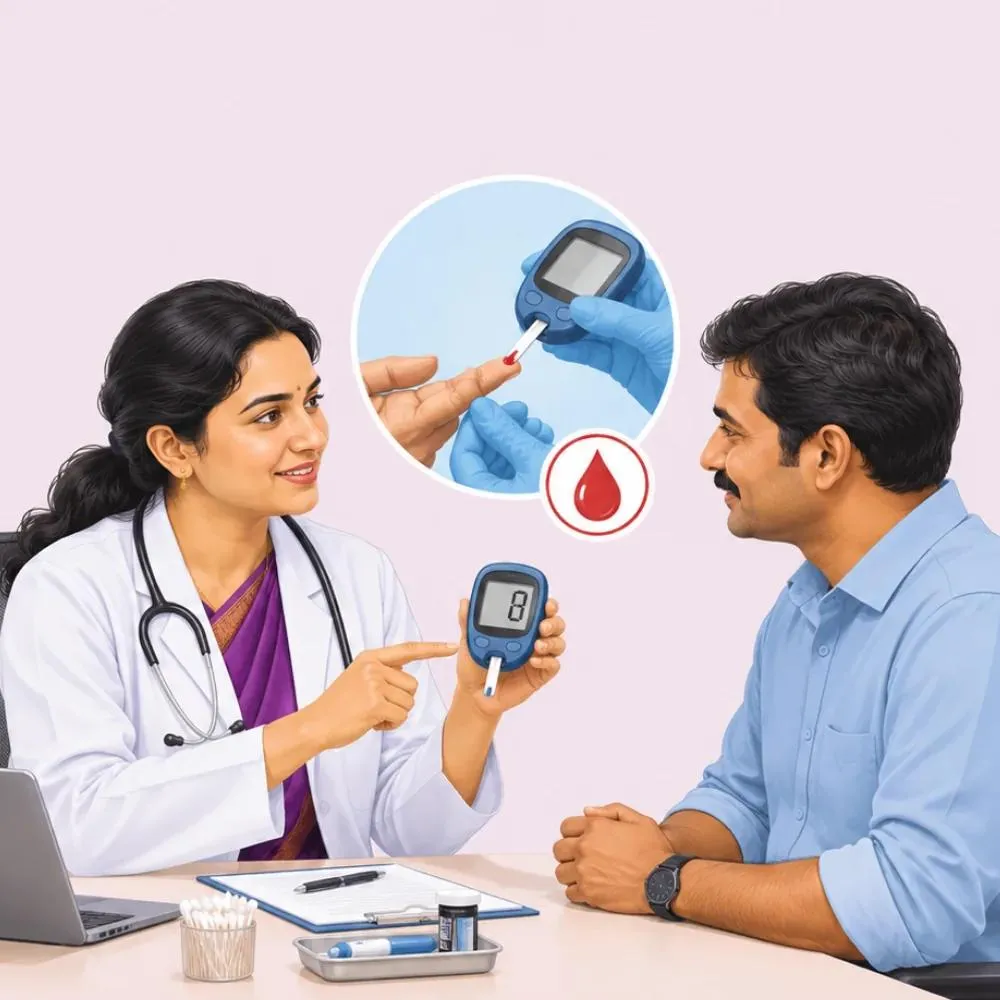
Diabetes management is the ongoing process of keeping blood glucose levels within an individually recommended range while reducing the risk of diabetes-related complications. Diabetes develops when the body does not produce enough insulin or cannot use it effectively. Insulin is the hormone that helps glucose enter the body’s cells for energy. Without appropriate management, persistently high blood sugar can affect the heart, kidneys, eyes, nerves and blood vessels.
An individualised management plan may include regular blood glucose monitoring, prescribed medicines or insulin therapy, healthy eating and meal planning, physical activity and weight management, monitoring of blood pressure and cholesterol, and routine screening for diabetes-related complications. The approach depends on the type of diabetes, medical history, age, lifestyle and personal health needs.
Type 1 diabetes is an autoimmune condition in which the immune system attacks the insulin-producing cells of the pancreas, so the body makes little or no insulin. It can develop at any age, although it is often diagnosed in children and younger adults, and it needs ongoing insulin treatment alongside glucose monitoring, nutrition planning and an understanding of how exercise, illness and meals affect blood sugar.
Type 2 diabetes occurs when the body becomes less responsive to insulin and, over time, may not produce enough of it to keep glucose levels normal. It is associated with family history, excess body weight, physical inactivity and increasing age, although it can occur without these. Management may involve lifestyle changes, oral medicines, non-insulin injectable medicines or insulin, depending on individual requirements.
Diabetes develops through different mechanisms depending on the type.
Type 1 diabetes occurs when an autoimmune reaction damages the cells that produce insulin. Genetic susceptibility may contribute, and the precise triggers are not fully understood.
A parent or sibling with diabetes raises the risk of Type 2 diabetes, which is why family history is part of deciding when to screen.
Weight carried around the abdomen in particular is associated with a higher risk of Type 2 diabetes.
Low day-to-day activity is one of the factors linked with Type 2 diabetes.
Diabetes during an earlier pregnancy is associated with an increased risk of Type 2 diabetes later.
Blood glucose that is raised but below the diabetes threshold is a recognised risk factor for progressing to Type 2 diabetes.
The risk of Type 2 diabetes rises with age.
Certain metabolic or hormonal conditions are associated with an increased risk of Type 2 diabetes.
Type 1 diabetes is not caused by eating too much sugar or an unhealthy lifestyle. Type 2 diabetes can also develop in physically active people with a healthy body weight, so understanding your personal risk factors helps decide when screening and preventive care are appropriate.
Diabetes symptoms may develop gradually or appear suddenly, depending on the type and severity of the condition.
Common symptoms
Signs that need immediate attention
Some people with Type 2 diabetes have few or no noticeable symptoms, which is why routine screening matters for anyone at increased risk. Seek a medical evaluation if symptoms persist or blood glucose readings are repeatedly high.
Diagnosing diabetes involves evaluating symptoms, medical history, risk factors and laboratory results. Doctors may recommend the following tests.
Estimates average blood glucose over the previous two to three months. A result of 6.5% or higher may indicate diabetes, and further testing may be needed to confirm it.
Measures blood glucose after fasting for at least eight hours. Subject to clinical confirmation, a fasting plasma glucose of 126 mg/dL or above meets the diagnostic criterion for diabetes.
Measures how the body processes glucose after a specified glucose drink. It may be used when additional evaluation is needed.
Depending on the suspected type, a clinician may recommend pancreatic autoantibody testing, C-peptide testing or other investigations.
Blood pressure, cholesterol, kidney function and related health indicators may also be assessed to build a complete management plan.
One reading does not make a diagnosis on its own. Results are interpreted alongside your symptoms and history, and a raised result is usually confirmed before treatment is decided.
Clinicians choose diabetes treatment based on diabetes type, blood glucose levels, related medical conditions and individual health goals. A clinician may recommend one or more of the following approaches.
People with Type 1 diabetes need insulin, and some people with Type 2 diabetes may need it too. It may be given by injection or, for eligible patients, an insulin pump. The type, dose and timing are decided by a trained medical practitioner, and insulin should never be stopped or changed without medical advice.
For Type 2 diabetes, treatment may include metformin, other oral glucose-lowering medicines or non-insulin injectable therapies. Some may also offer cardiovascular, kidney or weight-management benefits for appropriately selected patients.
Finger-prick glucose testing, HbA1c assessments and, when clinically appropriate, continuous glucose monitoring show how meals, exercise and treatment affect glucose levels. The frequency depends on your treatment plan.
Balanced meals, appropriate portions, enough dietary fibre, regular exercise, adequate sleep and, when needed, weight-management support. No single diabetes diet works for everyone, so food preferences, work hours and eating customs are taken into account.
Depending on individual risk: kidney function and urine albumin testing, eye examinations, foot and nerve assessments, blood pressure and cholesterol checks, and cardiovascular risk assessment.
Medication choice depends on kidney function, cardiovascular risk, treatment response, affordability and possible side effects. Not every medicine suits every patient, which is why the plan is set at consultation and reviewed over time.
Understanding the consultation process can help you prepare for ongoing care.
Diabetes consultation
Bring your glucose records, a list of medicines and current medical conditions, and any previous blood test results. Note any changes in food, weight, sleep, physical activity or symptoms. Keep taking your prescribed medicines unless your doctor has told you otherwise.
The doctor reviews your symptoms, medical history, current medicines and recent glucose readings, and may advise physical assessments and investigations. Based on the findings, they explain your diabetes type, discuss treatment approaches and set individualised health goals.
You may receive recommendations on medication, glucose monitoring, nutrition, physical activity and further tests. Follow-up appointments let your doctor see how well treatment is working and adjust the plan as needed.
For most patients, diabetes management is an ongoing process rather than a single treatment visit.
At Lux Hospitals, the focus is on helping patients understand their medical concerns and make informed decisions about their health. Diabetes care involves more than individual glucose readings: it requires attention to medical history, daily routines, associated conditions and long-term health goals.
Your symptoms, history and test results are reviewed together, so the plan fits the whole picture rather than one reading.
Blood tests, imaging and the other investigations a physician may advise are arranged at the hospital.
Where a condition needs another specialist, the referral is made within the same hospital and the same records.
Our hospital is in HITEC CITY, near IKEA: easily reachable from across Hyderabad.
Successful diabetes management depends on consistent monitoring and adjusting treatment as health needs change. The right follow-up schedule varies: people who have recently started medication, had low blood sugar or had treatment adjusted may need closer monitoring. At follow-up, clinicians may review glucose readings, HbA1c results, medication tolerance and screening findings.
Take prescribed medicines as directed, every day.
Follow the glucose-monitoring schedule your doctor recommends.
Eat balanced meals at regular intervals rather than skipping and catching up.
Keep active within the limits your doctor advises.
Keep up the screening and follow-up visits in your plan.
Tobacco use adds to the risk diabetes already carries for the heart and blood vessels.
Tell your doctor about recurring low or high blood glucose episodes.
Patients using insulin or medicines that can cause hypoglycaemia should know how to recognise and respond to low blood sugar.
Medical consultation may be appropriate for people who:
| Procedure | Estimated Cost |
|---|
A well-planned diabetes management programme may help patients in the ways below. Results vary with diabetes type, overall health and treatment adherence: management aims to support long-term health and reduce risk, and cannot guarantee freedom from complications.
Maintain glucose levels closer to individual targets.
Reduce episodes of symptomatic high blood sugar.
Identify and manage the risk of low blood sugar.
Lower the likelihood of certain long-term complications.
Improve understanding of medicines and self-care.
Address associated conditions such as hypertension and abnormal cholesterol.
Common questions about Type 1 and Type 2 diabetes, HbA1c, blood sugar monitoring and treatment.
Still have questions? Call us at 079 6908 4422
Still have questions? Message us on WhatsApp at 079 6908 4444
Physician-led diabetes care at Lux Hospitals, HITEC CITY: diagnosis, treatment planning and long-term follow-up.
Plot No.116, Lumbini Avenue, HITEC CITY, Near IKEA, Hyderabad – 500032