



Dr. Samhitha Reddy
Consultant Proctologist & Laparoscopic Surgeon
MBBS, MS, FMAS, FISCP, DMAS
- 8 Yrs
- ASCRS Member
Labiaplasty reduces or reshapes enlarged labia minora. Most women who seek it do so for physical discomfort (chafing, pain during exercise, difficulty with clothing) rather than for appearance.
The first thing worth saying is that labial appearance varies enormously between women, and wide variation is entirely normal. Our plastic surgeon at Lux Hospitals, HITEC CITY will say so plainly where surgery is not warranted, and treat it confidentially where it is.
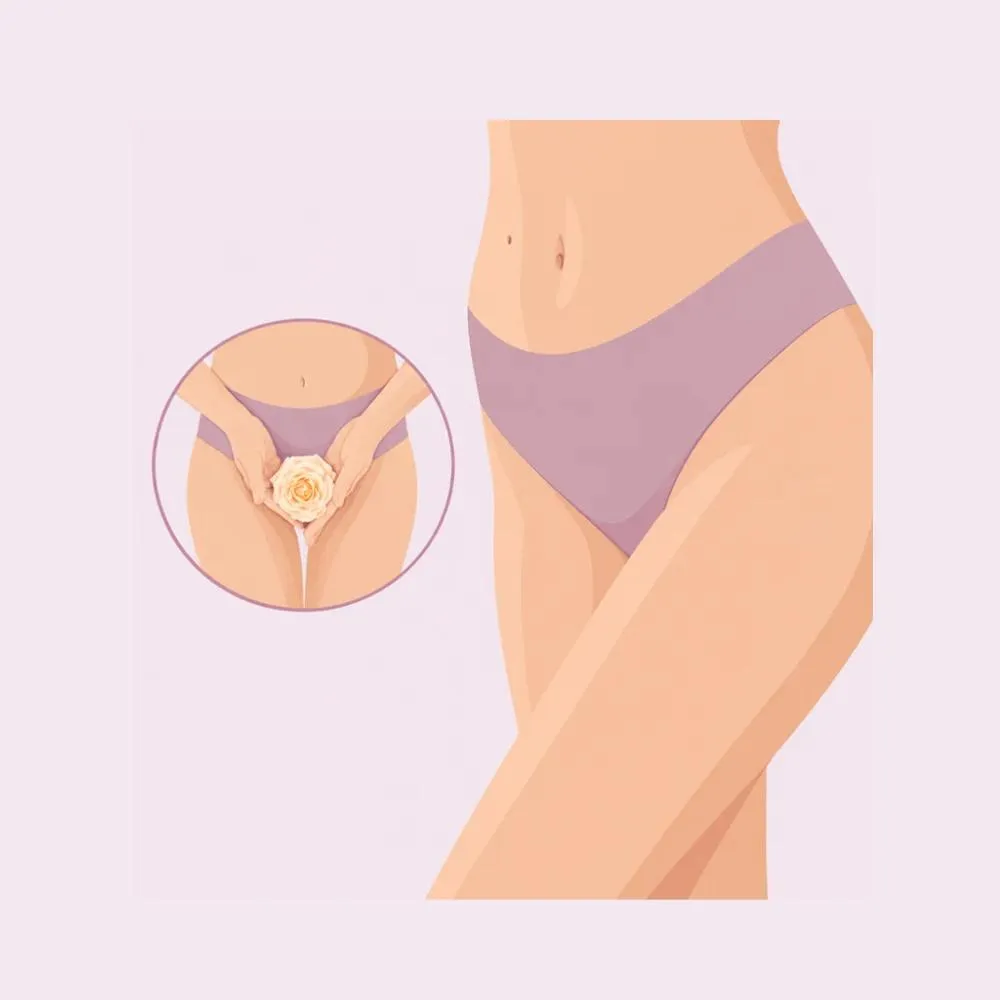
Labiaplasty reduces the size of the labia minora, the inner folds of the vulva, where their length causes physical symptoms or distress. The excess tissue is removed and the edge reconstructed, with the operation designed to leave a natural contour and preserve normal sensation.
It is important to be clear at the outset that there is no standard normal. Labial length, shape, colour and symmetry vary enormously between women, and asymmetry between the two sides is the rule rather than the exception. Much of the anxiety that brings women to consultation comes from comparison with images that have been digitally altered, and the honest answer for a substantial proportion is that nothing is wrong.
Where labiaplasty is genuinely warranted, it is usually for symptoms rather than appearance: chafing and soreness with cycling, running or riding; discomfort during intercourse; visible bulging in fitted clothing; and difficulty maintaining hygiene. Those are real problems with a real surgical solution, and women who have them frequently report considerable relief afterwards.
Labial size is largely determined before birth, and the variation between women is very wide.
Labial length, shape and colour vary enormously between women and across ethnic groups. There is no medical standard, and wide variation is normal.
Labial anatomy is largely inherited, which is why some women have prominent labia from adolescence with no other explanation.
The labia enlarge during puberty under hormonal influence, and this is when most women first become aware of their size.
Stretching and occasionally tearing during vaginal delivery can alter labial shape and symmetry.
The labia majora lose volume after menopause, which makes the labia minora appear more prominent by comparison.
Significant weight loss reduces the fullness of the labia majora, again making the inner labia relatively more visible.
Persistent inflammation from skin conditions or repeated infection can cause thickening over time.
Prominent labia are a normal anatomical variation rather than an abnormality. That distinction matters, because it means surgery is a choice about comfort and confidence rather than a correction of something wrong.
Physical symptoms are the strongest indication. Appearance alone warrants a more careful conversation first.
Physical symptoms
Where reassurance may be the answer
Some asymmetry between the two sides is present in almost every woman and is entirely normal. It is one of the commonest reasons for consultation and one of the least often requiring surgery.
The consultation establishes whether symptoms are genuinely anatomical and whether surgery is the right answer.
Whether the concern is physical discomfort or appearance, how long it has troubled you, and whether the decision is genuinely your own.
Assessing labial length, thickness, symmetry and the position of the clitoral hood, which determines which technique suits you.
Checking for lichen sclerosus, dermatitis and infection, all of which cause irritation that surgery would not resolve and may worsen.
Choosing between edge and wedge resection according to tissue thickness, colour of the edge and how much reduction is needed.
A frank conversation about outcome and about what surgery will and will not change, including that it does not alter sexual function.
Routine bloods and anaesthetic review, with the procedure timed away from your period.
A meaningful proportion of women who attend for labiaplasty are reassured instead, and leave without surgery. That is a legitimate outcome of the consultation, not a failure of it.
Two main techniques, chosen by tissue characteristics rather than by preference.
Understanding the genuine range of normal anatomy resolves the concern for many women without any intervention.
Lichen sclerosus, dermatitis and recurrent infection all cause irritation that is treated medically, not surgically.
Different underwear, padded cycling shorts and barrier creams often resolve chafing without an operation.
Where the concern relates to broader body image, addressing that produces better outcomes than surgery would.
The excess edge removed directly along the labial border. Simple and effective, and it removes darker pigmented edge tissue.
A V-shaped wedge removed from the middle and the edges rejoined, preserving the natural labial border and its colour and texture.
A wedge extended upward to address excess clitoral hood tissue at the same time, giving a balanced result.
Reducing redundant hood tissue alongside labiaplasty, since reducing the labia alone can leave the hood looking prominent.
Reducing excess outer labial skin, or restoring lost volume with fat transfer after menopause or weight loss.
Different amounts removed from each side. Perfect symmetry is not achievable, and expecting it leads to disappointment.
Wedge resection preserves the natural labial edge with its normal colour and texture, while trim resection removes it. Neither is universally better: the choice depends on whether the edge itself is what bothers you.
The procedure takes forty-five to ninety minutes and you go home the same day.
Day-care surgery under local or general anaesthesia
Timed away from your period, with routine bloods completed and any skin condition treated beforehand.
The tissue to be removed marked with you lying down and again with gentle traction, so the amount is judged accurately.
Local anaesthesia with sedation is usually sufficient. General anaesthesia is used where preferred or for combined procedures.
Excised by trim or wedge technique as planned, with meticulous attention to leaving enough tissue: under-resection is easily corrected, over-resection is not.
Dissection kept superficial to protect the nerves supplying sensation. This is why sexual sensation is unaffected by a properly performed procedure.
Closed in layers with fine absorbable sutures that dissolve over two to three weeks. Nothing needs removing.
Both sides compared directly before closing, and a simple dressing applied. Discharge after one to two hours.
Over-resection is the complication that matters here. Removing too much causes chronic discomfort, exposure of tissue that should be protected, and a result that is very difficult to reverse, so conservative removal is deliberate.
This is a procedure where honest counselling matters as much as surgical technique. Here is why patients trust us:
Private consultations, and a straightforward answer where anatomy is normal and reassurance rather than surgery is what is needed.
Dissection kept superficial to protect nerve supply, and deliberately conservative removal: over-resection here is very hard to reverse.
From the first consultation through to post-treatment follow-up, with one team throughout.
Our hospital is in HITEC CITY, near IKEA: easily reachable from across Hyderabad.
Most women return to desk work within a week. Full healing takes six weeks before intercourse resumes.
Swelling and soreness, worst in the first forty-eight hours. Ice packs, loose clothing and regular painkillers. Rest with legs slightly apart.
Swelling begins settling, though it can look alarming during this period. Most women return to desk work at around one week.
Sutures dissolve. Swelling reduces markedly. Light exercise resumes at two to three weeks; no cycling or riding yet.
Intercourse and tampons resume after clearance at six weeks. Cycling and horse riding from six weeks.
Residual swelling settles fully and the final contour appears. Scars soften and fade.
Swelling in this area is considerable and can look alarming in the first fortnight. The final contour only appears at two to three months.
Rinse with plain warm water after using the toilet and pat dry gently. No soaps, wipes or antiseptics on the healing tissue.
Nothing tight or synthetic for the first few weeks. Friction on healing suture lines is what causes wound breakdown.
Direct pressure on the healing area is the activity most likely to disrupt it. Walking is fine from day one.
The suture lines need full healing time. Resume only after your follow-up examination confirms it.
Fever, increasing rather than settling pain, foul-smelling discharge or a suture line opening all need review rather than waiting.
Satisfaction after labiaplasty is consistently high in women who had genuine physical symptoms. It is considerably lower in those who had surgery for appearance alone under external pressure, which is why the consultation matters as much as the operation.
A consultation is worthwhile if any of the following apply.
This is day-care surgery with a predictable cost and no hospital stay.
| Procedure | Estimated Cost |
|---|---|
| Consultation Private and confidential | ₹800 – ₹1,500 |
| Pre-operative workup Bloods, ECG, anaesthetic review | ₹3,000 – ₹7,000 |
| Labiaplasty under local anaesthesia Both sides, day care | ₹85,000 – ₹1,50,000 |
| Under general anaesthesia Where preferred | ₹1,10,000 – ₹1,90,000 |
| With clitoral hood reduction Combined procedure | ₹1,30,000 – ₹2,20,000 |
| Labia majora reduction Outer labial skin removal | ₹1,10,000 – ₹2,00,000 |
| Labia majora fat transfer Volume restoration | ₹1,40,000 – ₹2,40,000 |
| Revision surgery Correction of a previous procedure | ₹90,000 – ₹1,80,000 |
Local anaesthesia with sedation costs less than general anaesthesia, which adds anaesthetist and recovery charges.
Adding clitoral hood reduction or labia majora work increases the cost but often produces a more balanced result.
Wedge resection is technically more demanding than trim resection, and correcting marked asymmetry takes longer.
A shared ward, a twin-sharing room or a private suite: the largest single swing in most estimates.
We are empanelled with most major insurers, and our team files the pre-authorisation for you.
Every figure above is an indicative range, not a quote. After your consultation you are given a written, fixed-cost estimate, and that is the number you pay, with no additions once treatment begins.
The plastic surgeon who performs labiaplasty at our HITEC CITY hospital.

Consultant Plastic & Cosmetic Surgeon
MBBS, MS, MCh (Plastic Surgery)
16 years experience
Reviews from patients treated for cosmetic and plastic surgery at Lux Hospitals, Hyderabad.
Written by Dr. M. Ram Prabhu on plastic and cosmetic surgery.

Dr. M. Ram Prabhu

Dr. M. Ram Prabhu

Dr. M. Ram Prabhu
Dr. M. Ram Prabhu
Dr. M. Ram Prabhu

Dr. M. Ram Prabhu
Common questions about labiaplasty, recovery and what the procedure costs at Lux Hospitals.
Still have questions? Call us at 079 6908 4422
Still have questions? Message us on WhatsApp at 079 6908 4444
A private, unpressured assessment of whether labiaplasty is warranted, with costs shared upfront.
Plot No.116, Lumbini Avenue, HITEC CITY, Near IKEA, Hyderabad – 500032













