



Dr. Samhitha Reddy
Consultant Proctologist & Laparoscopic Surgeon
MBBS, MS, FMAS, FISCP, DMAS
- 8 Yrs
- ASCRS Member
Metabolic surgery is weight-loss surgery aimed at a different target. The operation is similar; the reason for doing it is diabetes rather than weight, and the results in type 2 diabetes are better than any medication regimen achieves.
The effect is not simply a consequence of losing weight: blood sugar improves within days, long before meaningful weight loss has happened. Our bariatric team at Lux Hospitals, HITEC CITY performs these procedures laparoscopically, with endocrinology input throughout.
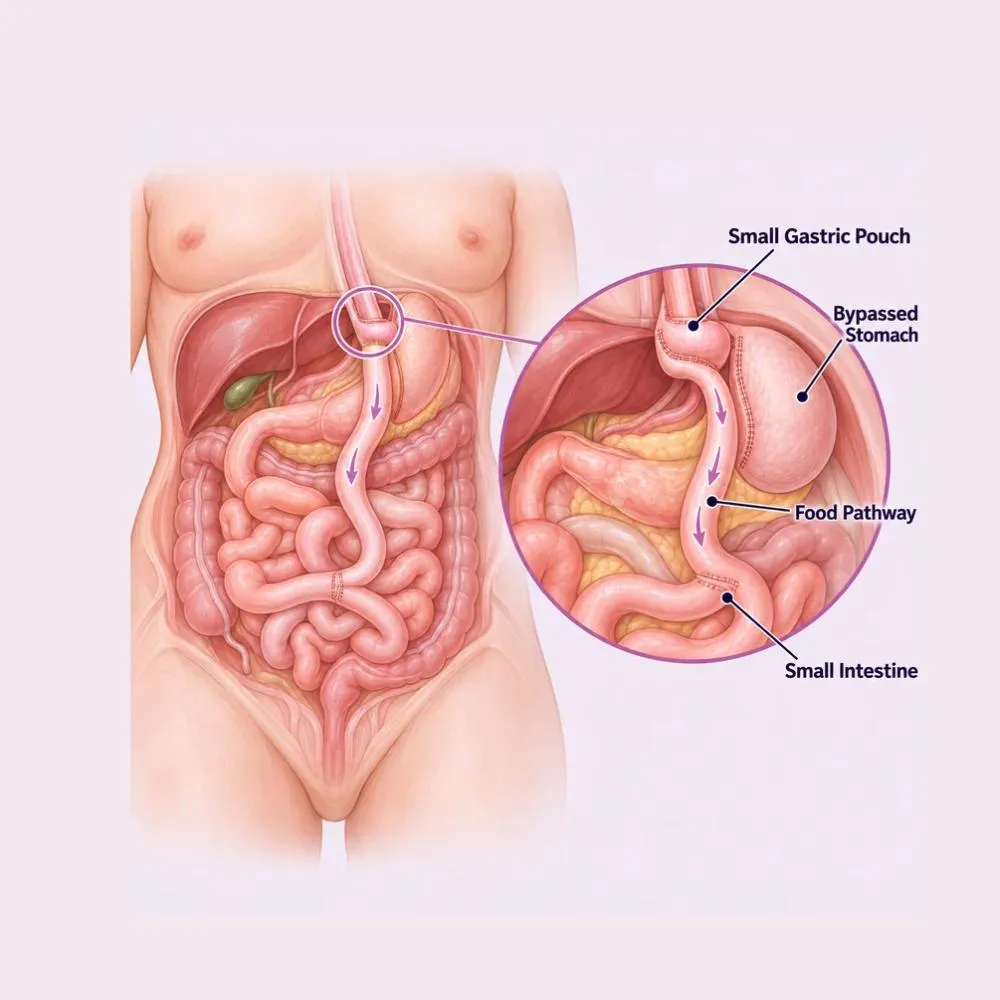
Metabolic surgery refers to procedures that modify the stomach and small intestine in order to treat type 2 diabetes and the metabolic disease that accompanies it. The operations are the same ones used for weight loss, most often a gastric bypass or a sleeve gastrectomy, but they are chosen and timed for their effect on blood sugar.
What distinguishes it from conventional diabetes care is that it addresses the underlying metabolic derangement rather than compensating for it. Medication lowers blood sugar; surgery changes the gut hormone signalling that governs insulin secretion and sensitivity in the first place.
The most striking observation is how fast it works. Blood glucose frequently normalises within days of surgery, long before any significant weight has been lost, because the effect is driven by changes in gut hormones such as GLP-1 and by altered bile acid signalling, not by weight loss alone. Weight loss then consolidates and sustains it.
Type 2 diabetes is a disease of insulin resistance and failing insulin secretion. Metabolic surgery acts on several of the mechanisms driving both.
Excess fat, particularly around the abdomen and liver, makes tissues respond poorly to insulin. The body compensates by producing more, until it cannot.
Years of overproduction exhaust the insulin-producing cells of the pancreas. This is why duration of diabetes predicts how well surgery works.
Rerouting food to the lower intestine sharply increases GLP-1 release, which boosts insulin secretion: the same pathway modern diabetes drugs target.
Bypassing the upper small intestine appears to switch off signals that promote insulin resistance, which is why bypass works faster than restriction alone.
Altered bile acid circulation after surgery improves glucose metabolism and insulin sensitivity through dedicated receptor pathways.
Fat in the liver falls rapidly after surgery, and reduced liver fat directly improves the liver’s response to insulin.
Restriction contributes, particularly in the first weeks, though it is not the main driver of the early glucose improvement.
The composition of intestinal bacteria changes measurably after surgery, in ways associated with improved metabolic function.
The important consequence of all this is timing. Once the pancreas has largely stopped producing insulin, surgery still helps with weight and cardiovascular risk, but full diabetes remission becomes much less likely.
Metabolic surgery is considered where type 2 diabetes is poorly controlled despite proper medical management, particularly when obesity is present alongside it.
You may be a candidate if
What it typically improves
Results are best in people who have had diabetes for a shorter time and who still produce their own insulin. This is one of the few situations in medicine where operating sooner genuinely gives a better result than waiting.
The workup establishes how much of your own insulin production remains, which is the single best predictor of whether diabetes will go into remission.
HbA1c, fasting and post-meal glucose, and a full record of your medication history including insulin doses and how they have changed.
C-peptide measures your remaining insulin production, and antibodies exclude type 1 diabetes. Together they predict the likelihood of remission.
Eye examination, kidney function with urine protein, and foot and nerve assessment: the diabetic complications that need documenting before surgery.
ECG, echocardiogram and often a stress test. Diabetes raises cardiac risk and can mask the symptoms of coronary disease.
Upper GI endoscopy for ulcers, H. pylori and reflux, and abdominal ultrasound for gallstones and fatty liver.
Joint planning with the diabetes team on how medication will be adjusted immediately after surgery, which needs care.
Insulin and sulfonylurea doses usually need reducing sharply within days of the operation, because glucose falls so quickly. That is planned in advance rather than reacted to.
Surgery sits alongside medical management rather than replacing it. It is considered when medication and lifestyle change have not achieved control, particularly with obesity present.
Structured dietary modification, weight reduction and regular exercise. The foundation of all diabetes care, and it continues after surgery.
Metformin, SGLT2 inhibitors and DPP-4 inhibitors, used in combination and escalated as control requires.
Injectable agents producing both glucose control and substantial weight loss, targeting the same hormone pathway surgery amplifies.
Where the pancreas can no longer meet demand. Effective, but promotes weight gain, which in turn worsens insulin resistance.
The most effective operation for diabetes. Bypassing the upper small intestine produces the strongest hormonal effect, with high remission rates.
A single-anastomosis bypass with a shorter operating time and diabetes outcomes comparable to the Roux-en-Y.
Produces substantial diabetes improvement through weight loss and reduced ghrelin, though slightly less remission than a bypass.
A specialised procedure repositioning a segment of ileum higher in the digestive tract to maximise GLP-1 release, used in selected lower-BMI patients.
Conversion of a previous sleeve to a bypass where diabetes has recurred or was never adequately controlled.
Gastric bypass generally has the edge for diabetes specifically, while a sleeve may suit someone whose priority is weight and who has no reflux. The choice is made with you, on your diabetes profile rather than on preference alone.
A one to two hour keyhole operation. The technical steps depend on which procedure is chosen; the pathway around it is the same.
Laparoscopic metabolic procedure
Blood sugar is brought under the best achievable control, and a two-week liver-shrinking diet reduces the fatty liver overlying the stomach.
General anaesthetic, with careful glucose monitoring throughout. The abdomen is inflated and four to five small ports are placed.
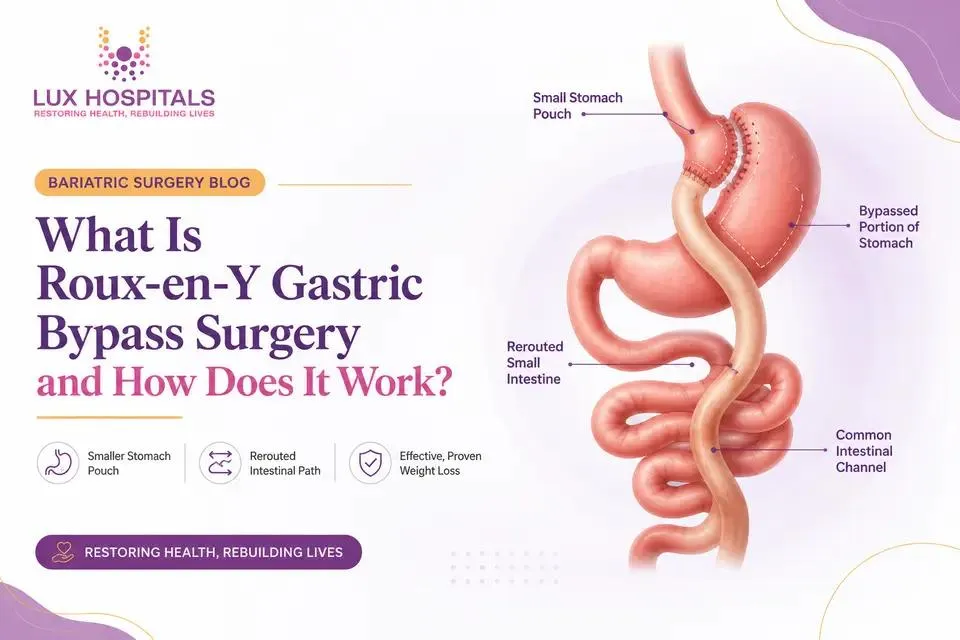
For a bypass, a small pouch of around thirty millilitres is stapled off from the upper stomach: the restriction component of the operation.
A limb of small intestine is brought up and joined to the pouch, bypassing the duodenum and upper jejunum. This is the step that produces the hormonal effect on diabetes.
The bypassed limb is rejoined further down so that bile and pancreatic enzymes still meet food, and mesenteric defects are closed to prevent internal hernia.
Each join is tested with dye or air under water to confirm it is watertight before the abdomen is closed.
Two to three nights in hospital with close glucose monitoring, and diabetes medication reduced (often dramatically) before you go home.
Most patients leave hospital on considerably less diabetes medication than they came in with, and a good proportion on none at all. That adjustment happens under supervision, not by guesswork at home.
Metabolic surgery needs a surgeon and a diabetes team working from the same plan. Here is why patients trust us:
Led by Dr. Tagore Mohan Grandhi, with fellowships in bariatric surgery (USA) and robotic surgery (Korea) and 28 years of experience.
C-peptide testing and endocrinology input, so the procedure is chosen on your diabetes profile rather than on BMI alone.
From the first consultation through to post-treatment follow-up, with one team throughout.
Our hospital is in HITEC CITY, near IKEA: easily reachable from across Hyderabad.
The diabetes response is immediate; the weight comes off over a year or more. Both need monitoring, and the medication adjustments in the first weeks need particular care.
In hospital with frequent glucose monitoring. Diabetes medication reduced substantially. Clear fluids, walking from the first day.
Liquid diet at home with regular glucose checks. Medication adjusted further by the diabetes team as readings guide.
Pureed then soft foods, protein first. Desk work resumes. HbA1c is already improving markedly.
Normal textures in small portions. Rapid weight loss and further improvement in blood pressure, lipids and liver function.
Weight loss plateaus. Diabetes remission, where it occurs, is usually established well within the first year and then monitored annually.
Check regularly in the first weeks. Blood sugar falls fast, and continuing your old insulin dose is the main risk of hypoglycaemia.
Multivitamin, B12, iron, calcium and vitamin D indefinitely, with annual blood monitoring. Absorption is permanently altered after a bypass.
60–80g of protein daily. Sugary drinks pass straight through, cause dumping after a bypass, and undo the metabolic benefit.
Regular activity including resistance work preserves muscle during rapid weight loss and independently improves insulin sensitivity.
Fever, a racing pulse, severe abdominal pain, persistent vomiting, or repeated hypoglycaemic episodes.
Reviews with both the surgical and diabetes teams at six weeks, three and six months, a year, and annually thereafter.
Diabetes can recur years later, particularly with significant weight regain or where the disease was long-standing before surgery. Continued follow-up catches it early, when it is manageable with a tablet rather than insulin.
Book a consultation if any of the following apply.
Metabolic surgery is covered by most insurers in India where the criteria are met, and our team handles the pre-authorisation. These are the self-pay ranges.
| Procedure | Estimated Cost |
|---|---|
| Consultation & metabolic assessment Per visit | ₹1,000 – ₹2,000 |
| Complete pre-operative workup Includes C-peptide, cardiac and complication screening | ₹20,000 – ₹40,000 |
| Laparoscopic sleeve gastrectomy Two nights’ stay | ₹2,80,000 – ₹4,50,000 |
| Mini gastric bypass Two to three nights’ stay | ₹3,20,000 – ₹5,00,000 |
| Roux-en-Y gastric bypass Three nights’ stay | ₹3,50,000 – ₹5,50,000 |
| Follow-up & dietitian programme First year, with endocrinology review | ₹15,000 – ₹30,000 |
A bypass involves more stapler cartridges and more operating time than a sleeve, and costs correspondingly more.
Established kidney, heart or eye disease means more extensive assessment, closer monitoring and sometimes a night in intensive care.
Long-standing insulin-treated diabetes needs more intensive perioperative glucose management and a longer stay.
A shared ward, a twin-sharing room or a private suite: the largest single swing in most estimates.
We are empanelled with most major insurers, and our team files the pre-authorisation for you.
Every figure above is an indicative range, not a quote. After your consultation you are given a written, fixed-cost estimate, and that is the number you pay, with no additions once treatment begins.
What patients treated here can expect:
Improvement within days, with remission achievable in many patients.
Substantially reduced or discontinued diabetes medication for most.
Reduced risk of heart attack, stroke and diabetic kidney disease.
The bariatric and gastrointestinal surgeon who performs metabolic surgery at our HITEC CITY hospital.

Senior Consultant: Bariatric & Gastrointestinal Surgery
MBBS, MS, FRCS (UK), DLS (France)
28 years experience
Reviews from patients treated for bariatric and gastrointestinal conditions at Lux Hospitals, Hyderabad.
Written by Dr. Tagore Mohan Grandhi on metabolic surgery and diabetes care.

Dr. Tagore Mohan Grandhi
Dr. Tagore Mohan Grandhi
Dr. Tagore Mohan Grandhi
Dr. Tagore Mohan Grandhi
Dr. Tagore Mohan Grandhi
Dr. Tagore Mohan Grandhi
Common questions about metabolic surgery, diabetes remission, and what treatment costs at Lux Hospitals.
Still have questions? Call us at 079 6908 4422
Still have questions? Message us on WhatsApp at 079 6908 4444
Diabetes-focused surgical assessment with endocrinology input, and a fixed-cost estimate and insurance check before treatment begins.
Plot No.116, Lumbini Avenue, HITEC CITY, Near IKEA, Hyderabad – 500032













