












Understanding Diverticulitis and Its Impact on Digestive Health
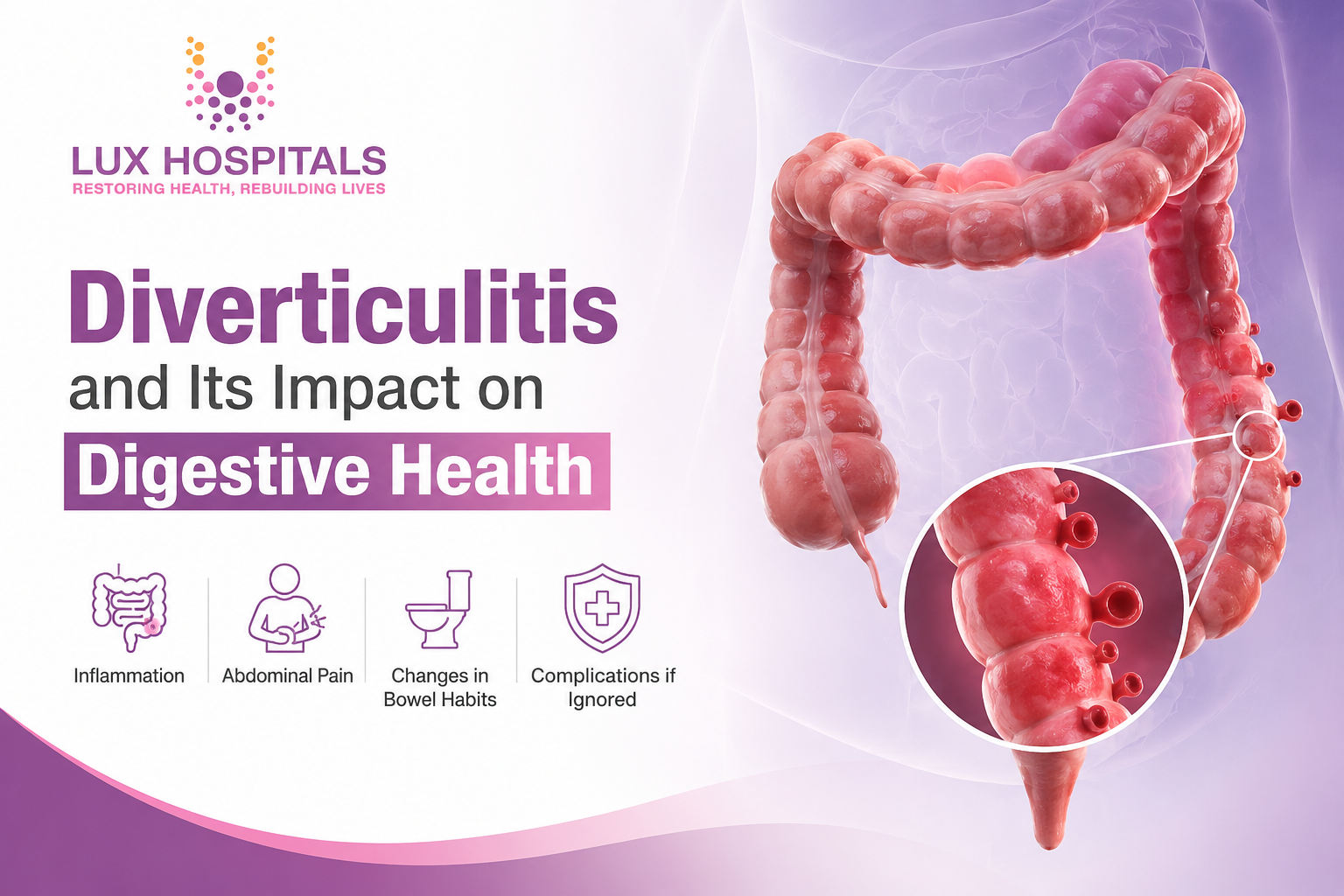
Diverticulitis is a common digestive condition that requires timely medical attention to prevent serious complications. It occurs when small pouches, known as diverticula, form in the wall of the large intestine and become inflamed or infected. While occasional abdominal discomfort may seem harmless, persistent pain, changes in bowel habits, fever, or digestive issues could indicate diverticulitis. Early diagnosis and appropriate treatment are essential to relieve symptoms, support digestive health, and reduce the risk of future flare-ups. Most patients recover well when the condition is identified and managed promptly.

What is Diverticulitis?
Diverticulitis is a condition in which small sacs or pouches that form in the lining of the colon become inflamed or infected. These pouches, known as diverticula, commonly develop as people age due to weakening of the intestinal wall. While diverticula alone are known as diverticulosis and often cause no symptoms, inflammation can transform the condition into Diverticulitis, which requires medical attention.
The severity of Diverticulitis ranges from mild inflammation that responds to medication to severe infections requiring hospitalisation or surgery.
Common Features of Diverticulitis
- Inflammation of diverticula in the large intestine
- Pain, usually on the lower left side of the abdomen
- Fever and digestive discomfort
- Changes in bowel movements
- Infection within the colon
Early diagnosis can prevent serious complications and improve recovery outcomes.
Causes and Risk Factors of Diverticulitis
Although the exact cause of Diverticulitis is not fully understood, several lifestyle and health factors increase the risk of developing the condition.
Low-Fibre Diet
Constipation and elevated intestinal pressure might result from a low-fibre diet. This pressure eventually increases the risk of inflammation and aids in the development of diverticula.
Aging
The risk of Diverticulitis increases with age because the colon’s walls naturally weaken over time.
Obesity
Being overweight puts additional strain on the digestive tract and increases the risk of inflammation.
Smoking
Smoking increases the risk of digestive diseases by reducing blood flow and weakening the body’s defences against infections.
Sedentary Lifestyle
Inactivity slows down bowel movements and raises the risk of constipation and colon-related issues.
Additional Risk Factors
- Family history
- Chronic constipation
- Excessive consumption of red meat
- Processed foods
- Certain medications, such as NSAIDs and steroids
Understanding these risk factors helps patients adopt healthier habits and reduce the chances of developing Diverticulitis.
Symptoms of Diverticulitis
Depending on the severity of inflammation or infection, diverticulitis symptoms can range from mild to severe.
Common Symptoms Include
- Persistent pain in the lower left abdomen
- Fever and chills
- Nausea and vomiting
- Constipation
- Diarrhea
- Abdominal bloating
- Tenderness over the abdomen
- Loss of appetite
- Fatigue
If a patient has these symptoms for more than 24 to 48 hours, they should get checked out right away. Early diagnosis can lessen the need for surgery and potentially prevent major consequences.
How Diverticulitis Affects Digestive Health
Diverticulitis not only causes discomfort in the stomach but also interferes with the proper function of the digestive system. If therapy is not received, recurrent episodes can damage the colon and significantly affect daily life.
Causes Digestive Inflammation
Because colon inflammation makes it difficult for faeces to pass through, it results in discomfort and irregular bowel movements.
Changes Bowel Habits
Because inflammation affects intestinal function, many patients alternate between constipation and diarrhoea.
Reduces Digestive Efficiency
Persistent inflammation might impair the body’s ability to absorb nutrients and slow digestion.
Increases Risk of Complications
Untreated Diverticulitis may result in:
- Colon abscess
- Bowel perforation
- Fistula formation
- Intestinal obstruction
- Peritonitis
Prompt treatment helps preserve digestive function and prevents these potentially life-threatening complications.
Diagnosis of Diverticulitis
Our experts at Lux Hospitals employ cutting-edge diagnostic techniques to precisely diagnose diverticulitis and evaluate its severity.
Diagnostic Tests
- Detailed medical history
- Physical examination
- Blood tests
- CT scan of the abdomen
- Ultrasound in selected cases
- Colonoscopy after inflammation subsides
- Stool examination when necessary
An accurate diagnosis enables doctors to recommend the most effective treatment plan and minimise complications.
Treatment Options for Diverticulitis
Treatment depends on the severity of the condition and whether complications are present.
Mild Cases
Patients with mild Diverticulitis are usually treated with:
- Oral antibiotics
- Pain-relieving medications
- Temporary liquid or low-fibre diet
- Adequate hydration
- Rest
Moderate to Severe Cases
Hospital care may include:
- Intravenous antibiotics
- IV fluids
- Pain management
- Close monitoring
Surgical Treatment
Surgery may be recommended for patients with:
- Recurrent attacks
- Colon perforation
- Large abscesses
- Fistulas
- Bowel obstruction
At Lux Hospitals, advanced minimally invasive laparoscopic surgery offers reduced pain, smaller incisions, shorter hospital stays, and faster recovery.
Preventing Diverticulitis
Even if not all cases can be avoided, leading a healthy lifestyle significantly reduces the risk of diverticulitis or recurring episodes.
Prevention Tips
- Eat a fibre-rich diet.
- Drink plenty of water daily.
- Exercise regularly
- Maintain a healthy weight.
- Avoid smoking
- Limit processed foods
- Reduce excessive red meat intake.
- Treat constipation early
- Schedule routine digestive health check-ups
These preventive measures support healthy bowel function and reduce inflammation in the digestive tract.
Why Choose Lux Hospitals for Diverticulitis Treatment?
Every patient should receive compassionate, evidence-based care, in our opinion at Lux Hospitals. To guarantee the finest results, our gastrointestinal team offers thorough evaluation, precise diagnosis, and customised treatment regimens.
Why Patients Trust Lux Hospitals
- Experienced gastroenterologists
- Advanced diagnostic imaging
- Personalised treatment plans
- Minimally invasive surgical expertise
- Modern healthcare infrastructure
- Comprehensive follow-up care
- Patient-focused treatment approach
- Faster recovery with expert guidance
Lux Hospitals is dedicated to helping you regain your digestive health and quality of life, whether you need advanced surgery or medication management.
Conclusion
A frequent intestinal ailment that should never be disregarded is diverticulitis. Long-term gut health can be improved, and major issues can be avoided with early symptom detection, prompt medical examination, and appropriate treatment. Reducing future episodes also requires maintaining a healthy lifestyle that includes regular exercise, a balanced diet, and adequate hydration. See the experts at Lux Hospitals right away if you have persistent stomach pain, fever, bloating, or changes in bowel habits. To help you heal quickly and have a healthier life, our skilled gastroenterology team provides cutting-edge diagnostic services, minimally invasive treatment choices, and compassionate care.
Frequently Asked Questions
Persistent lower left abdominal pain, fever, bloating, constipation, or changes in bowel habits are typically the initial symptoms of diverticulitis. Additionally, some individuals have nausea and abdominal pain that gets worse with time. Early medical intervention promotes a quicker recovery and helps avoid major consequences.
Yes, under medical supervision, minor episodes of diverticulitis are frequently successfully treated with antibiotics, painkillers, dietary changes, fluids, and sufficient sleep. Patients with recurring episodes, perforations, abscesses, or intestinal obstruction are typically the ones who undergo surgery. improved, and the risk of recurrence is reduced when you heed your doctor's advice.
During an active episode of Diverticulitis, your doctor may recommend a clear liquid or low-fibre diet until the inflammation improves. After recovery, limiting processed foods, excessive red meat, and unhealthy eating habits while gradually increasing fibre intake can help maintain digestive health.
Lux Hospitals provides comprehensive digestive care, including skilled gastroenterologists, cutting-edge diagnostic tools, expertise in minimally invasive surgery, and individualised treatment regimens. Every patient receives sensitive care, with an emphasis on long-term digestive health and a quicker recovery.
Yes, Lux Hospitals offers comprehensive digestive health assessments that include endoscopy services, sophisticated imaging, laboratory tests, specialist consultations, and customised treatment plans. Our staff determines the underlying cause of stomach issues and recommends the best course of action.