
Dr. Samhitha Reddy
Consultant Proctologist & Laparoscopic Surgeon
MBBS, MS, FMAS, FISCP, DMAS
- 8 Yrs
- ASCRS Member
By Dr. Tagore Grandhi · MBBS, MS, FRCS (UK), DLS (France) 16 November 2026 5 min read
Medically reviewed by Dr. G Vinodkrishna · MBBS, MD (General Medicine), CCDMDC, F.I.S.H. 15 November 2026

Non-alcoholic fatty liver is a condition where extra fat builds up in the liver of people who drink little or no alcohol. It is mainly linked to excess weight, type 2 diabetes, high cholesterol, and insulin resistance, and it can often be improved with lifestyle changes. Doctors now also call it MASLD, or metabolic dysfunction-associated steatotic liver disease. Most people feel no symptoms in the early stages, so it often goes unnoticed. This guide explains the causes, symptoms, diagnosis, and treatment options, including expert cholesterol fatty liver care at Lux Hospitals.
Non-alcoholic fatty liver happens when fat makes up more than about 5% of the liver's weight. It occurs in people who drink little or no alcohol.
Key facts to know:
The good news is that early fatty liver is often reversible. Spotting it early gives you the best chance of protecting your liver.
Fatty liver disease is not one fixed condition. It can stay mild or slowly progress over many years.
The main stages are:
Not everyone moves through every stage. Regular monitoring helps your doctor catch changes before scarring becomes severe.
The main driver is insulin resistance. When cells stop responding well to insulin, the liver stores more fat.
Common causes include:
Often several causes work together. Treating the underlying condition usually helps reduce liver fat too.
Concerned about your liver? Book a consultation at Lux Hospitals today.
Anyone can develop fatty liver, even slim people. However, some groups face a noticeably higher risk.
You may be at higher risk if you have:
Women with polycystic ovary syndrome should also be screened, as it is linked to insulin resistance. Knowing your risk is the first step toward prevention.
Most people with early disease have no symptoms at all. It is often found by chance on a routine scan or blood test.
When symptoms appear, you may notice:
Yellowing of the skin, swelling in the legs, or confusion can signal advanced disease. Seek medical care promptly if these occur.
Left unmanaged, fatty liver can progress to serious liver damage. It also raises the risk of heart disease, which is a leading concern in these patients.
Possible complications include:
Most complications develop slowly over years. Early lifestyle changes and follow-up greatly lower these risks.
Diagnosis starts with your medical history, alcohol intake, and a physical exam. Your doctor will also rule out other liver conditions such as viral hepatitis.
Common tests include:
Routine preventive health checkups can detect raised liver enzymes early. This simple step often leads to a timely diagnosis.
Get your liver checked early—schedule a screening at Lux Hospitals.
Treatment focuses on reducing liver fat and controlling related conditions. Losing about 5-10% of body weight can significantly improve liver health in many people.
Your care plan may include:
For people with severe obesity, metabolic diabetic surgery may be an option after careful evaluation. Your specialist will tailor treatment to your stage and health needs.
Daily habits are the foundation of fatty liver treatment. Small, steady changes work better than crash diets.
Helpful steps include:
Our obesity weight management team can build a realistic plan with you. Consistency over months brings the biggest liver benefits.
Start your liver-friendly lifestyle plan with Lux Hospitals experts today.
Fatty liver touches many areas of health, from weight to blood sugar to the heart. Lux Hospitals brings these specialists together under one roof.
What we offer:
Our lifestyle disease counselling helps you stay on track long term. We focus on clear guidance and compassionate, patient-first care.
Protect your liver—book an appointment at Lux Hospitals today.
Non-alcoholic fatty liver is common, often silent, and closely tied to weight, blood sugar, and cholesterol. The encouraging part is that early stages can usually be improved or even reversed with healthy eating, regular exercise, and gradual weight loss.
Do not wait for symptoms to appear, because liver damage can progress quietly over years. If you have diabetes, obesity, high cholesterol, or high blood pressure, ask your doctor about a liver check. The specialists at Lux Hospitals can assess your liver, explain your results clearly, and create a personalised plan to protect your long-term health. Taking action today is the best way to keep your liver healthy tomorrow.
Yes. Non-alcoholic fatty liver develops in people who drink little or no alcohol. It is mostly linked to obesity, insulin resistance, type 2 diabetes, high cholesterol, and an unhealthy diet rather than drinking habits.
In the early stages, it is often reversible. Losing about 5-10% of body weight, eating a balanced diet, and exercising regularly can reduce liver fat and inflammation. Advanced scarring, however, may not fully reverse.
Most people have no early signs. Some notice tiredness, a dull ache in the upper right abdomen, or mildly raised liver enzymes on a blood test. A doctor's evaluation is needed to confirm the diagnosis.
Limit sugary drinks, sweets, white bread, fried foods, processed meats, and alcohol. Focus instead on vegetables, fruits, whole grains, legumes, nuts, fish, and olive oil. A dietitian can help personalise your meal plan.
Yes. People with a normal weight can still develop fatty liver, often due to insulin resistance, genetics, belly fat, or poor diet. This is sometimes called lean fatty liver and still needs medical follow-up.
See a doctor if you have abnormal liver tests, diabetes, obesity, or high cholesterol. Seek urgent care for yellow skin or eyes, leg swelling, vomiting blood, or confusion, as these may signal advanced liver disease.
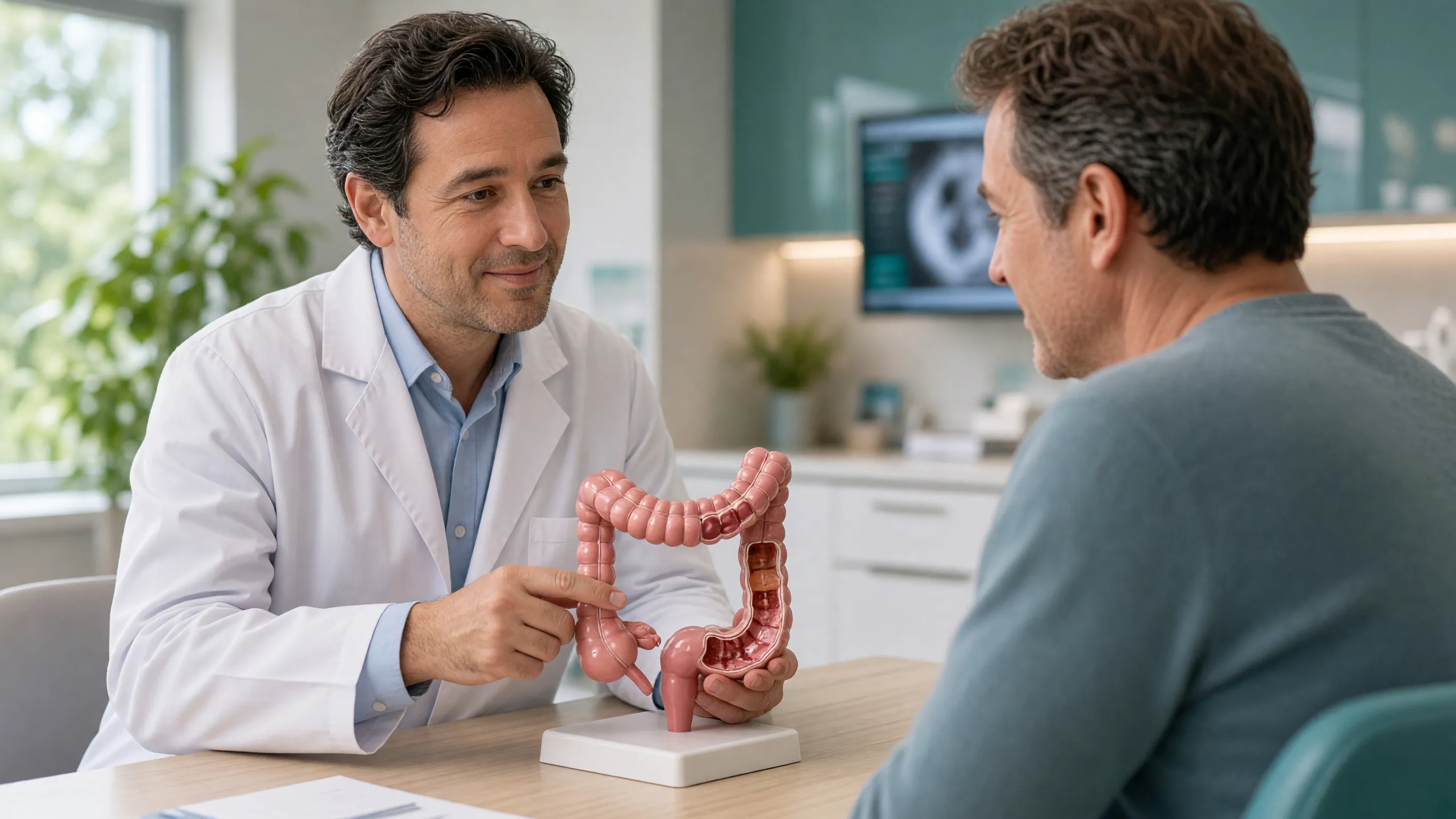
The early signs of colorectal cancer are often subtle. They include a lasting change in bowel habits, blood in the stool, unexplained tiredness, or abdominal discomfort that won't settle. Many people mistake these symptoms for piles, diet problems, or stress, which can delay diagnosis. In its earliest stages, colorectal cancer may cause no symptoms at all, so screening is vital. This guide explains six commonly overlooked warning signs, who is at higher risk, how doctors confirm a diagnosis, and the treatment options available at Lux Hospitals.
18 November 2026

If you are considering weight-loss surgery, you may have several questions before deciding. Will your appetite reduce? Can reflux become worse? What happens years after surgery? Understanding these concerns can help you prepare for a safer and more informed treatment journey.
14 October 2026
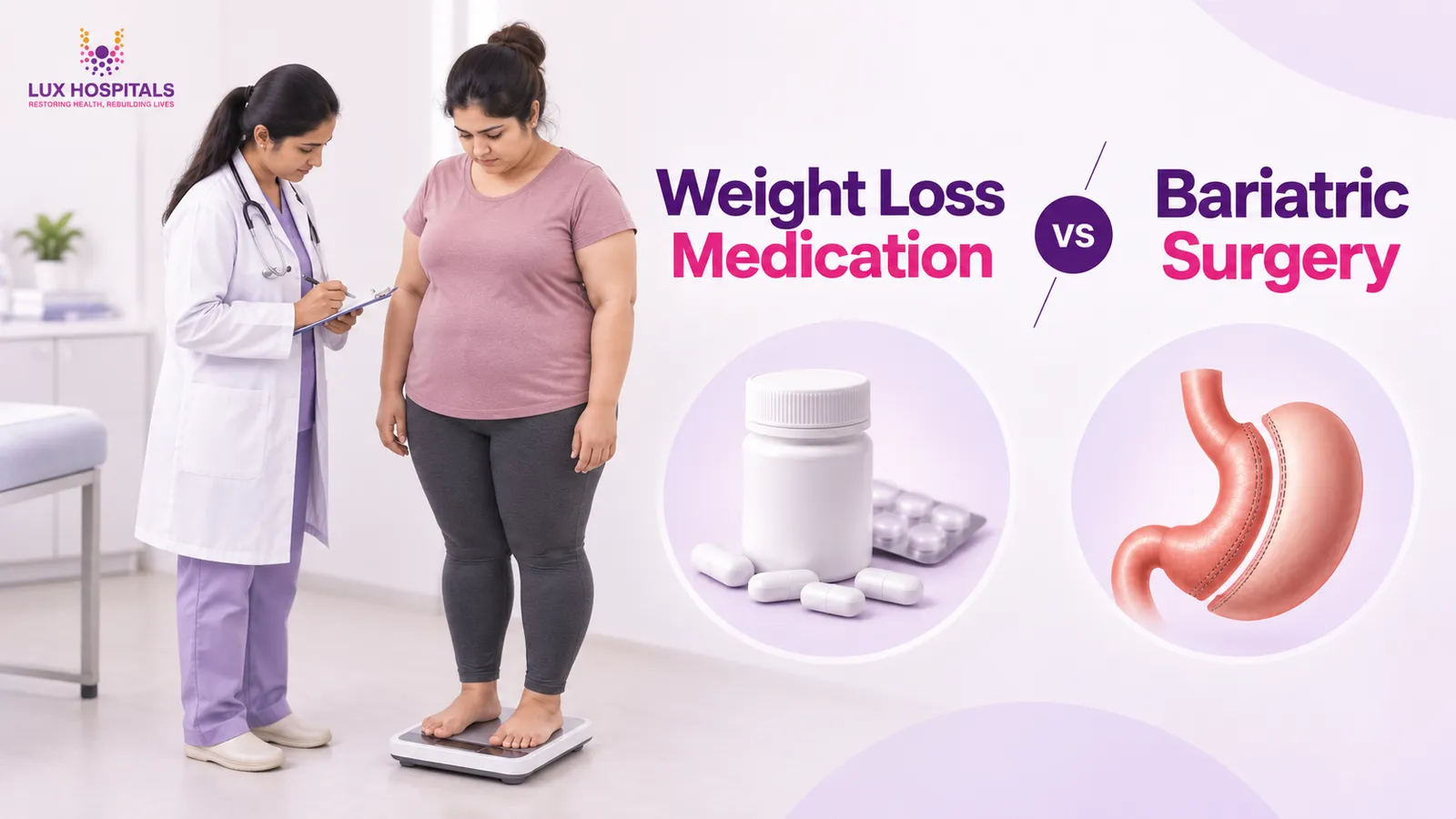
Losing weight is not always as simple as eating less and exercising more. Many people work hard to lose weight but find that the weight comes back or that their health problems continue. Today, there are different ways to treat obesity, including weight loss medicines and bariatric surgery. This can make the decision confusing.
13 October 2026
Send your reports across and a senior surgeon will review them, explain the options and tell you honestly whether surgery is the right call.
Plot No.116, Lumbini Avenue, HITEC CITY, Near IKEA, Hyderabad – 500032