












Weight Loss Medication vs Bariatric Surgery: How to Choose Your Next Step
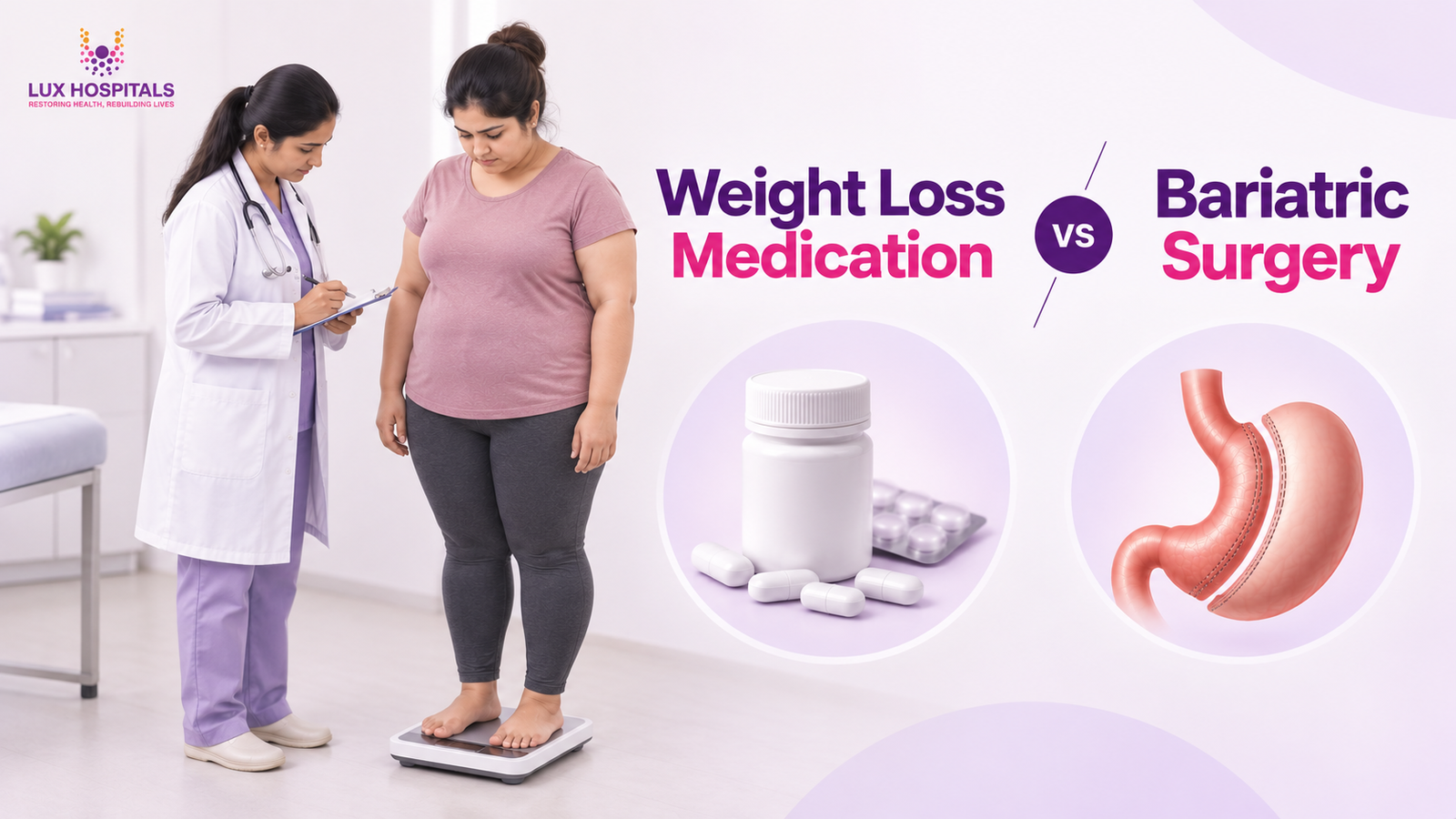
Losing weight is not always as simple as eating less and exercising more. Many people work hard to lose weight but find that the weight comes back or that their health problems continue. Today, there are different ways to treat obesity, including weight loss medicines and bariatric surgery. This can make the decision confusing. You may wonder whether medication is enough, whether surgery is a better option, or whether you should try one before the other. Understanding weight-loss medication vs. bariatric surgery can help you have a better conversation with your doctor. Your current weight, health conditions, previous weight-loss efforts and long-term goals all matter when choosing a treatment.
Weight Loss Medication vs Bariatric Surgery: What Is the Difference?
Both treatments can support weight loss, but they work differently.
Weight loss medicines are taken as part of a medical weight-management plan. Depending on the medicine, they may help reduce hunger, increase fullness or affect how the body regulates appetite.
Bariatric surgery changes the digestive system to help with weight loss and can also improve some obesity-related health conditions.
The right choice isn’t simply the treatment that promises the fastest result. It is about finding an approach that suits your health and that you can follow long term.

How Do Weight Loss Medicines Work?
Weight loss medicines can help some people manage obesity when lifestyle changes alone have not produced enough weight loss. Different medicines work in different ways. Some affect appetite and feelings of fullness, while others influence hormones involved in hunger and blood sugar regulation.
Your doctor may consider factors such as:
- Your BMI and overall health
- Diabetes or prediabetes
- Blood pressure
- Other medical conditions
- Current medicines
- Previous weight-loss attempts
- Possible side effects
- Your treatment goals
Medicines should be prescribed and monitored by a qualified healthcare professional. They are generally used alongside healthy eating and physical activity, not as a replacement.
When Is Bariatric Surgery Considered?
Bariatric surgery may be considered for people with obesity who meet appropriate clinical criteria and need a more intensive treatment approach. Current ASMBS/IFSO guidance recommends metabolic and bariatric surgery for many people with a BMI of 35 or higher, regardless of whether obesity-related conditions are present. Surgery is also recommended for people with type 2 diabetes and a BMI of 30 or higher, with individual assessment still being important. For Asian populations, BMI and health risks may need to be interpreted differently. The 2022 guidance specifically notes that traditional BMI thresholds should not be the only factor used when considering metabolic surgery in Asian patients.
Your doctor may also look at:
- Type 2 diabetes
- High blood pressure
- Sleep apnoea
- Fatty liver disease
- Joint problems
- Previous weight-loss attempts
- Your ability to follow long-term changes
Weight Loss Medication vs Bariatric Surgery: Which Works Better?
There is no single answer for everyone. Weight loss medicines can help if you want a non-surgical treatment or if your doctor feels medication is appropriate for your situation. Bariatric surgery can provide substantial and durable weight loss for appropriately selected patients and may improve several obesity-related health conditions. However, surgery is not a shortcut. It requires changes in eating habits, regular follow-up and attention to nutrition.
The important question is:
“Which treatment is right for my health and long-term goals?”
What Are the Benefits of Weight Loss Medicines?
One major benefit is that medicines provide a non-surgical option.
Depending on the medicine and the person, treatment may help:
- Reduce hunger
- Improve feelings of fullness
- Support weight loss
- Improve some obesity-related health problems.
- Make lifestyle changes easier to maintain
However, medicines can cause side effects and may require long-term use. Your doctor can explain what you may reasonably expect from a particular medicine.
What Are the Benefits of Bariatric Surgery?
Bariatric surgery is more than a weight-loss procedure. It can also have metabolic effects. For some people, surgery can help improve conditions linked to obesity, including type 2 diabetes, high blood pressure and sleep apnoea. Common bariatric procedures include:
Sleeve Gastrectomy
Sleeve Gastrectomy, The 2022 guidelines specifically state that traditional BMI thresholds should not be the only factor used when considering metabolic surgery in Asian patients, suggesting that BMI and health risks may need to be interpreted differently for Asian populations.
Gastric Bypass
This procedure creates a smaller stomach pouch and changes the route food takes through part of the digestive system. Your surgeon will recommend a procedure based on your health, eating patterns, medical conditions and other factors.
What Are the Risks?
Both options have possible risks. Weight-loss medicines can cause side effects that vary by medicine. Your doctor should explain common side effects, serious warning signs, and whether the medicine is right for you. Bariatric surgery also has surgical risks, including bleeding, infection, blood clots and other complications. Longer-term nutritional problems can occur, which is why follow-up and recommended supplements are important. This does not mean one treatment is unsafe. It means you should understand the possible benefits and risks before deciding.
Can Medicines and Surgery Be Used Together?
Sometimes, yes. Obesity is a long-term condition, and treatment may change over time. A person may use medication before surgery, after surgery or later if additional weight management is needed. Recent ASMBS guidance also recognises medicines such as semaglutide and tirzepatide as possible options for people who have inadequate weight loss or weight regain after metabolic surgery. Your treatment plan should therefore be reviewed over time rather than viewed as a single decision.
Questions to Ask Your Doctor
If you are comparing weight loss medication vs bariatric surgery, take these questions to your consultation:
1. What treatment is suitable for me?
Ask your doctor to explain which options fit your current health and weight-loss goals.
2. Have I tried enough non-surgical treatment?
Tell your doctor about diets, exercise plans, medicines and other approaches you have already tried.
3. Would medication be enough?
Ask how much improvement might reasonably be expected and how long you may need treatment.
4. Am I a candidate for bariatric surgery?
Your doctor can assess your BMI, medical history, obesity-related conditions and previous treatment attempts.
5. What will I need to do after treatment?
Ask about diet, exercise, follow-up visits, supplements and long-term weight management.
These questions can help you decide based on your health rather than online comparisons.
What Happens During a Bariatric Consultation?
A bariatric consultation isn’t just about deciding whether you need surgery.
Your doctor may discuss:
- Your weight history
- Previous weight-loss attempts
- Eating habits
- Medical conditions
- Current medicines
- Blood tests or other investigations
- Your weight-loss goals
- Available treatment options
You should also have the opportunity to ask questions and discuss any concerns about medicines or surgery. A multidisciplinary approach can help because long-term obesity treatment may involve a surgeon, physician, dietitian, and other healthcare professionals, depending on your needs.
Is Bariatric Surgery a Permanent Solution?
Bariatric surgery can provide long-term weight loss, but it doesn’t eliminate the need for healthy habits. After surgery, you will need to follow your recommended diet, stay physically active as advised and attend follow-up appointments. Nutritional monitoring is also important because some procedures can affect nutrient absorption. Long-term care is an important part of bariatric treatment.
When Should You Consider a Specialist Consultation?
Consider speaking with a specialist if:
- Your weight is affecting your daily life.
- You have tried several weight-loss plans without lasting results.
- You have obesity-related health problems.
- You are considering weight-loss medication.
- You are thinking about bariatric surgery.
- You are unsure which treatment is suitable for you.
You do not need to decide on surgery or medication before your appointment. The consultation aims to help you understand your options.
Weight Loss Medication vs Bariatric Surgery: The Bottom Line
Choosing between medication and surgery is a personal medical decision. For some people, weight-loss medications may be a useful part of long-term obesity management. For others, bariatric surgery may offer a more suitable approach, particularly when obesity is severe or is affecting other aspects of health. You don’t need to base your decision only on what worked for someone else. If you are considering weight loss medication vs bariatric surgery, speak with a qualified bariatric specialist. A proper assessment can help you understand your options and choose the next step based on your health, needs and long-term goals.
Conclusion
Choosing between weight loss medication and bariatric surgery is not a decision you have to make on your own. At Lux Hospitals Specialists suggests What works for one person may not work for another, Your weight, health conditions, previous weight-loss efforts and long-term goals all matter. A specialist can help you understand your options, what to expect and what fits your needs. If you have been struggling with weight despite your efforts, getting the right medical guidance can be a good place to start. Take the next step with a plan that works for your health and your future.
Frequently Asked Questions
Not always. Both have a role in obesity treatment, but they work differently and suit different patients. Your doctor can help you compare the expected benefits, risks, costs and long-term commitment.
In some cases, you may try medication before surgery. Whether this is appropriate depends on your health, BMI, previous treatment and response to medical weight management.
No. Current guidelines have expanded the range of people who may be considered for metabolic and bariatric surgery. BMI, medical conditions and previous treatment response all need to be considered.
Some people experience weight regain after surgery. Long-term follow-up, healthy eating, physical activity and medical support can help manage weight over time.
Start with a specialist consultation. Your doctor can review your health, weight history, medical conditions, and previous weight-loss efforts before recommending the best approach.
You can consult the bariatric team at Lux Hospitals to discuss your weight-loss concerns and understand whether medical treatment, medication or bariatric surgery may be appropriate for you.