
Dr. Samhitha Reddy
Consultant Proctologist & Laparoscopic Surgeon
MBBS, MS, FMAS, FISCP, DMAS
- 8 Yrs
- ASCRS Member
Frequent acidity, stomach burning, bloating or irregular bowel movements can disrupt daily activities, eating habits and sleep. Occasional digestive discomfort is normal, but persistent symptoms could point to an underlying digestive problem that needs treatment.
At Lux Hospitals, Hyderabad, patients can enquire about medical consultations for acidity, acid reflux, indigestion, irritable bowel syndrome (IBS) and related digestive concerns. Whether you experience recurring heartburn, upper abdominal discomfort, constipation or diarrhoea, identifying the underlying cause can help guide appropriate treatment and long-term symptom management.
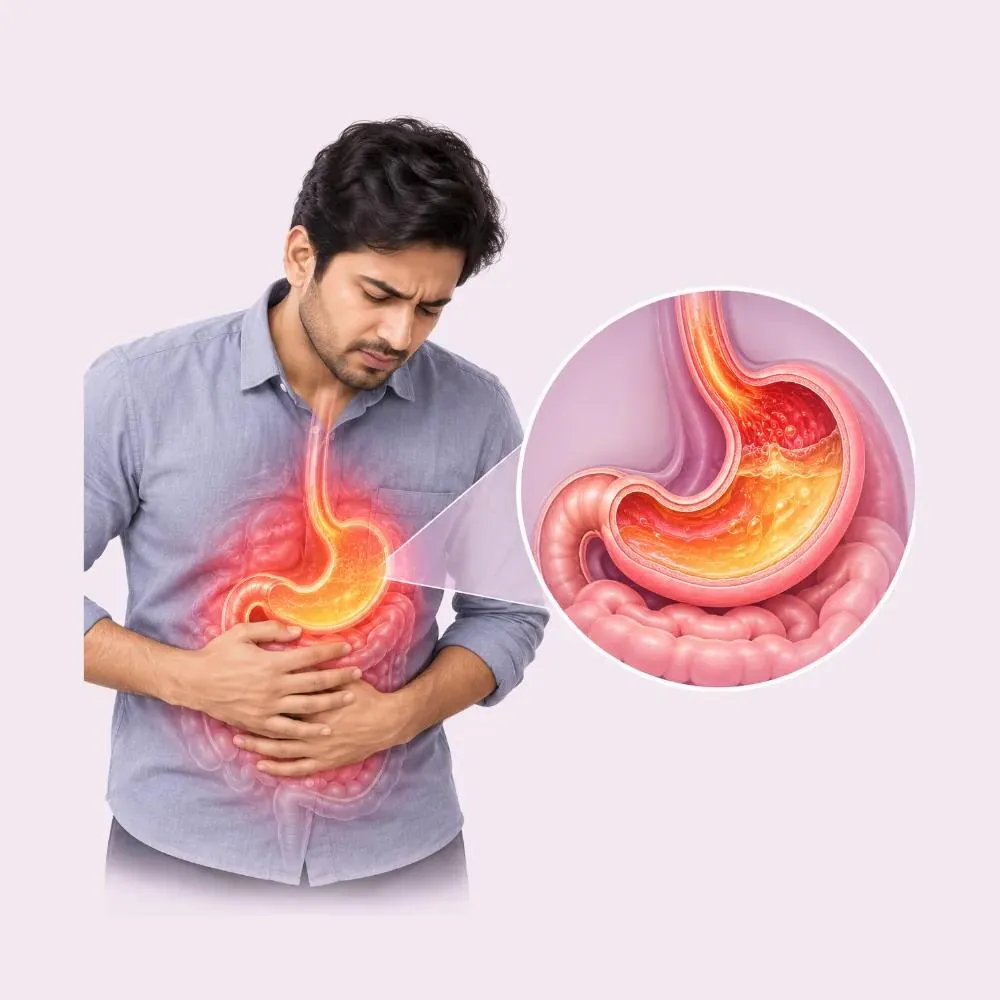
Gastric and digestive care involves evaluating and managing conditions that affect the stomach, oesophagus, intestines and other parts of the digestive system. The digestive system breaks down food, absorbs nutrients and removes waste, and changes in digestive function can produce symptoms such as acidity, abdominal pain, bloating, nausea or altered bowel habits.
Common digestive concerns include acidity and heartburn, gastroesophageal reflux disease (GERD), dyspepsia or indigestion, irritable bowel syndrome (IBS), abdominal bloating, and constipation or diarrhoea. Although these symptoms can overlap, their causes and treatments differ. Appropriate management may involve lifestyle guidance, medication, selected investigations and follow-up care.
“Acidity” is often used to describe a burning pain in the chest or upper abdomen. Acid reflux happens when stomach contents flow back into the oesophagus (the tube that connects the mouth and stomach). It may cause a burning sensation behind the breastbone, a sour or acidic taste in the mouth, regurgitation after meals, discomfort when lying down and occasional upper abdominal burning. Occasional reflux may improve with appropriate lifestyle measures, while repeated symptoms need assessment to determine whether GERD or another condition is present.
GERD develops when reflux causes troublesome, persistent symptoms or complications. Common symptoms include persistent heartburn and regurgitation, and some people also have symptoms such as difficulty swallowing that need further examination. Untreated GERD can occasionally cause inflammation or narrowing of the oesophagus, or Barrett’s oesophagus. Treatment may include acid-suppressing medicines, lifestyle changes and selected investigations.
Dyspepsia is pain or discomfort in the upper abdomen, particularly around meals. Symptoms may include upper abdominal pain or burning, feeling full unusually quickly, uncomfortable fullness after eating, bloating, nausea and belching. Dyspepsia may be associated with medicines, peptic ulcers, Helicobacter pylori infection or functional dyspepsia, in which persistent digestive symptoms occur without an identified structural disease that adequately explains them. Indigestion and heartburn are not identical, although they may occur together.
IBS is a disorder of gut-brain interaction characterised by recurring abdominal pain and changes in bowel movements. Symptoms may include abdominal cramping, bloating, diarrhoea, constipation, alternating diarrhoea and constipation, and changes in stool frequency or appearance. IBS does not typically cause visible structural damage to the digestive tract. Treatment depends on the predominant symptoms and may involve dietary adjustments, prescribed medicines and therapies targeting gut-brain interactions.
Digestive symptoms can develop for different reasons. GERD commonly involves dysfunction of the barrier between the stomach and oesophagus, and several factors may contribute to it.
Carrying extra body weight is one of the factors that may contribute to reflux.
A hiatal hernia is one of the factors that may contribute to GERD.
Eating large meals may contribute to reflux symptoms.
Lying down shortly after a meal may make reflux symptoms more likely.
Reflux symptoms may develop or worsen during pregnancy.
Some medicines may contribute to reflux symptoms.
Dyspepsia may be associated with H. pylori infection, peptic ulcer disease, medication effects or altered stomach sensitivity and function.
The exact causes of IBS are not fully understood. Possible contributing factors include changes in gut sensitivity, intestinal movement and gut-brain signalling, and symptoms following certain gastrointestinal infections.
Some foods or drinks may trigger reflux in susceptible individuals, but triggers vary between patients. Stress can influence IBS symptoms, but IBS is a genuine digestive disorder and should not be dismissed as simply psychological.
Digestive problems can produce a wide range of symptoms.
Common symptoms
Signs that need urgent attention
Symptoms are best judged in the context of their duration, severity and associated medical history. The warning signs above may indicate conditions more serious than uncomplicated acidity or indigestion, and severe chest pain needs immediate medical care.
Diagnosis begins with an understanding of your symptoms, eating patterns, medications, medical history and physical examination findings.
The doctor may assess where symptoms occur, how long they have lasted, how they relate to meals and bowel movements, and whether there are any warning signs.
Selected patients with dyspepsia may be offered breath or stool tests to detect H. pylori infection. A positive result may need appropriate eradication treatment.
May be recommended when swallowing difficulty, gastrointestinal bleeding, concerning symptoms or persistent problems need further evaluation. It allows clinicians to examine the lining of the oesophagus, stomach and upper small intestine.
Depending on symptoms, clinicians may consider blood tests, coeliac disease screening, stool tests or other investigations.
For suspected IBS, diagnosis often relies on characteristic symptoms with limited, targeted testing rather than extensive investigations for every patient.
Treatment is individualised based on diagnosis, symptom severity and medical history.
Management may involve identifying individual symptom triggers, avoiding meals close to bedtime, weight management when appropriate and elevating the head of the bed for night-time reflux.
Prescribed acid-reducing medication may be part of treatment. Proton pump inhibitors (PPIs) are commonly recommended for GERD when clinically indicated.
After a professional evaluation, some patients with objectively verified reflux who meet the criteria may be considered for surgical or procedural treatment.
Treatment depends on the cause. Patients with confirmed H. pylori infection may need a prescribed combination treatment to eradicate the bacteria. Others may benefit from acid-suppressing therapy or selected treatments for functional dyspepsia. A medication review can identify drugs that may be contributing to digestive discomfort.
IBS management focuses on the most troublesome symptoms. Options may include soluble fibre for selected patients, medicines for constipation or diarrhoea, and treatment for abdominal pain and cramping.
A limited, supervised low-FODMAP dietary trial may be suggested. It is typically a staged trial with reintroduction of tolerated foods, rather than permanently avoiding entire food groups.
Regular exercise and sleep routines, and gut-directed psychological therapies when appropriate.
Dietary guidance differs from person to person. A food and symptom journal can help you spot patterns without unnecessary restrictions.
Rather than continuing to self-medicate, talk to a doctor about digestive problems that keep coming back.
The right treatment depends on the diagnosis, and the plan may be adjusted over time according to how your symptoms respond.
Knowing how the consultation works can help you prepare for it.
Digestive consultation
Bring previous prescriptions, test reports and information about existing medical conditions. Note your symptoms, how long you have had them, any links with food and your bowel movement patterns.
The clinician may review your history, examine your abdomen and discuss whether investigations are needed. A treatment plan may include medicines, dietary advice or referral for further assessment.
Follow your prescribed medication instructions and attend the recommended reviews.
Patients with recurring GERD, functional dyspepsia or IBS may need treatment adjustments according to how their symptoms respond.
At Lux Hospitals, patients can enquire about consultations for acidity, indigestion, acid reflux, IBS and other digestive concerns. Digestive care involves understanding symptoms, identifying potential causes and choosing appropriate investigations and management options.
Your symptoms, history and test results are reviewed together, so the plan fits the whole picture rather than one reading.
Blood tests, imaging and the other investigations a physician may advise are arranged at the hospital.
Where a condition needs another specialist, the referral is made within the same hospital and the same records.
Our hospital is in HITEC CITY, near IKEA: easily reachable from across Hyderabad.
Recovery depends on the condition. Occasional reflux may settle with the right adjustments, while persistent GERD may need ongoing monitoring. IBS and functional dyspepsia can both go through phases of improvement and relapse.
Eat balanced meals at regular times through the day.
Steer clear of the personal triggers you have identified.
Maintain appropriate hydration.
Keep up regular physical activity.
Keep to a sleep routine that gives you enough rest.
Avoid taking medicines you do not need.
Take prescribed treatment consistently, as directed.
Report worsening symptoms or new warning signs rather than assuming every recurrence is harmless.
Medical consultation may be appropriate for people experiencing any of the following. People with unexplained weight loss, bleeding or other warning signs may need more urgent investigation.
| Procedure | Estimated Cost |
|---|
A suitable management plan may help in the ways below. Improvement varies between patients and depends on the underlying condition and response to treatment.
Reduce frequent heartburn and regurgitation.
Improve upper abdominal discomfort.
Manage constipation or diarrhoea, and reduce disruptive bloating and cramping.
Identify treatable underlying conditions.
Support healthier eating and daily routines.
Improve digestive-related quality of life.
Common questions about acidity, GERD, indigestion, IBS and how they are treated.
Still have questions? Call us at 079 6908 4422
Still have questions? Message us on WhatsApp at 079 6908 4444
Physician-led care for acidity, reflux, indigestion and IBS at Lux Hospitals, HITEC CITY: diagnosis, treatment planning and follow-up.
Plot No.116, Lumbini Avenue, HITEC CITY, Near IKEA, Hyderabad – 500032