
Dr. Samhitha Reddy
Consultant Proctologist & Laparoscopic Surgeon
MBBS, MS, FMAS, FISCP, DMAS
- 8 Yrs
- ASCRS Member
Living with a chronic condition often means managing medicines, attending follow-up appointments and making adjustments as health needs change. Conditions such as diabetes, hypertension, thyroid disorders and cardiovascular disease may remain stable for extended periods but still require monitoring.
At Lux Hospitals, Hyderabad, patients can enquire about medical consultations and follow-up care for long-term health conditions. Chronic disease monitoring focuses on tracking health indicators and reviewing treatment over time.
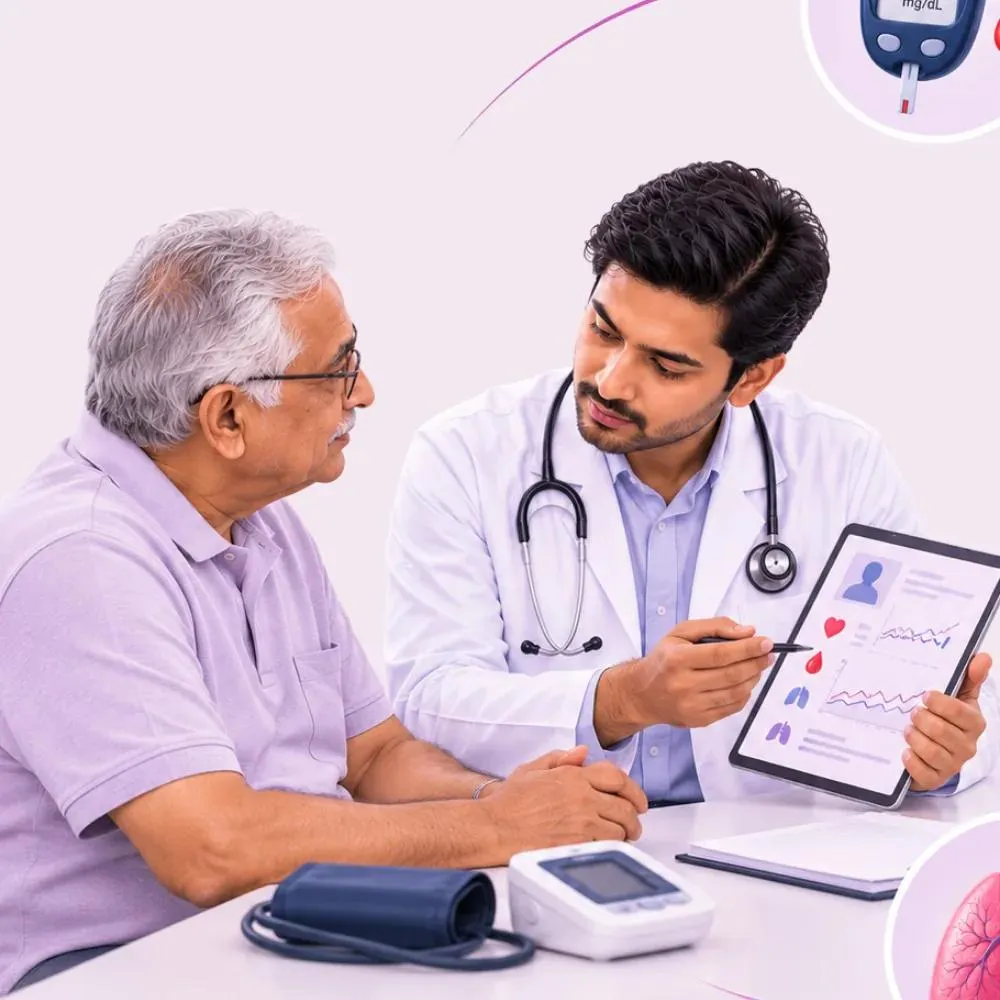
Chronic disease monitoring is the ongoing assessment of a medical condition over time. Its purpose is to understand whether treatment is working, identify side effects and detect changes in health before they become more serious.
Monitoring may involve reviewing symptoms and medical history, checking vital signs, assessing laboratory results, reviewing medicines, monitoring treatment side effects, evaluating complications, updating treatment goals and planning follow-up appointments. The frequency and type of monitoring depend on the diagnosed condition and individual health risks.
Regular monitoring matters because chronic illnesses may change without causing obvious symptoms. Regular assessment can help identify treatment-related problems, changes in organ function or complications requiring additional care.
What is checked, and how often, depends on the condition being monitored.
Monitoring may include blood glucose readings, HbA1c testing and evaluation of kidney, eye, nerve and cardiovascular health. Treatment requirements can change with illness, activity, medicines or other medical conditions.
Regular blood pressure checks help clinicians assess treatment response and decide whether medication adjustments are necessary.
People taking thyroid hormone replacement or antithyroid medication may require periodic thyroid function testing. Changes in medication, pregnancy or certain illnesses may alter monitoring needs.
Lipid monitoring can help assess response to lifestyle measures and prescribed cholesterol-lowering medicines. Cardiovascular risk is considered alongside laboratory results.
Monitoring may involve kidney function tests, urine albumin assessment, blood pressure and medication review.
Long-term follow-up may also be appropriate for respiratory disorders, cardiovascular disease and other conditions, depending on their severity.
Older adults and patients with several chronic conditions may require careful review to avoid conflicting treatment plans.
Long-term follow-up may be appropriate for a range of conditions, and the plan may need review when results or treatment change.
Conditions commonly monitored
Signs the plan may need review
High blood pressure often has no noticeable symptoms, and a person may feel well despite elevated readings. Regular checks, rather than symptoms alone, help clinicians assess how treatment is working.
Depending on the condition, a follow-up review may include the following.
The doctor may ask about new symptoms, changes in daily functioning and any concerns since the previous visit.
Existing prescriptions are assessed for effectiveness, side effects and interactions.
Blood pressure, pulse, weight and other measurements may be recorded as appropriate.
Tests may include HbA1c, lipid profile, kidney function or thyroid function when indicated.
Depending on the disease, screening for eye, kidney, nerve or other organ complications may be recommended.
Goals and treatment recommendations may be updated according to findings.
Unnecessary or excessively frequent testing can create costs and anxiety without improving outcomes. A clinician should recommend tests based on an individualised monitoring plan.
Monitoring combines follow-up consultations at the hospital with measurements that can be taken at home when recommended.
The doctor reviews symptoms, measurements, test results and medication use. Additional investigations or treatment changes may be discussed.
Goals and treatment recommendations may be updated according to the findings, for example when blood pressure readings show that a medication adjustment is necessary.
Patients with more than one chronic condition may need careful review so that treatment plans do not conflict.
Home blood pressure logs may be useful for patients with hypertension.
Home glucose records may be useful for patients with diabetes.
Weight can be recorded at home when your doctor recommends it.
A record of relevant symptoms can be brought to your follow-up visit.
Home devices should be appropriate for their intended use, and patients should be shown how to use them correctly.
Knowing what happens at a follow-up visit can help you prepare for it.
Follow-up consultation
Bring recent reports, prescriptions and any home measurements. Patients with diabetes or hypertension may find glucose or blood pressure logs useful.
The doctor reviews symptoms, measurements, test results and medication use. Additional investigations or treatment changes may be discussed.
You should understand your updated medicine schedule, your next follow-up date and the symptoms that require earlier contact.
Follow-up frequency depends on the condition, symptoms, medicines and stability of results.
Patients can contact Lux Hospitals, Hyderabad, to enquire about follow-up consultations, available investigations and long-term medical monitoring.
Your symptoms, history and test results are reviewed together, so the plan fits the whole picture rather than one reading.
Blood tests, imaging and the other investigations a physician may advise are arranged at the hospital.
Where a condition needs another specialist, the referral is made within the same hospital and the same records.
Our hospital is in HITEC CITY, near IKEA: easily reachable from across Hyderabad.
Certain measurements can be taken at home when recommended, and simple habits between visits help keep a monitoring plan on track.
Do not stop prescribed medication, including blood pressure medicine, without discussing it with your clinician.
Record blood pressure, glucose, weight or symptoms as recommended, and bring the log to your visit.
Use devices suited to their purpose, and ask to be shown how to use them.
Periodic review is needed even when readings are stable.
Bring recent test results, prescriptions, medication details and relevant home readings to each follow-up.
Ask which symptoms mean you should contact your doctor before the next visit.
Home measurements support medical care but do not automatically replace clinical examinations or laboratory tests.
Monitoring is particularly important for patients who:
| Procedure | Estimated Cost |
|---|
Common questions about follow-up visits, blood tests, home monitoring and long-term medicines.
Still have questions? Call us at 079 6908 4422
Still have questions? Message us on WhatsApp at 079 6908 4444
Physician-led monitoring for long-term conditions at Lux Hospitals, HITEC CITY: regular reviews, investigations and treatment updates.
Plot No.116, Lumbini Avenue, HITEC CITY, Near IKEA, Hyderabad – 500032