












Metabolic Surgery in Hyderabad: Take Control of Diabetes and Obesity
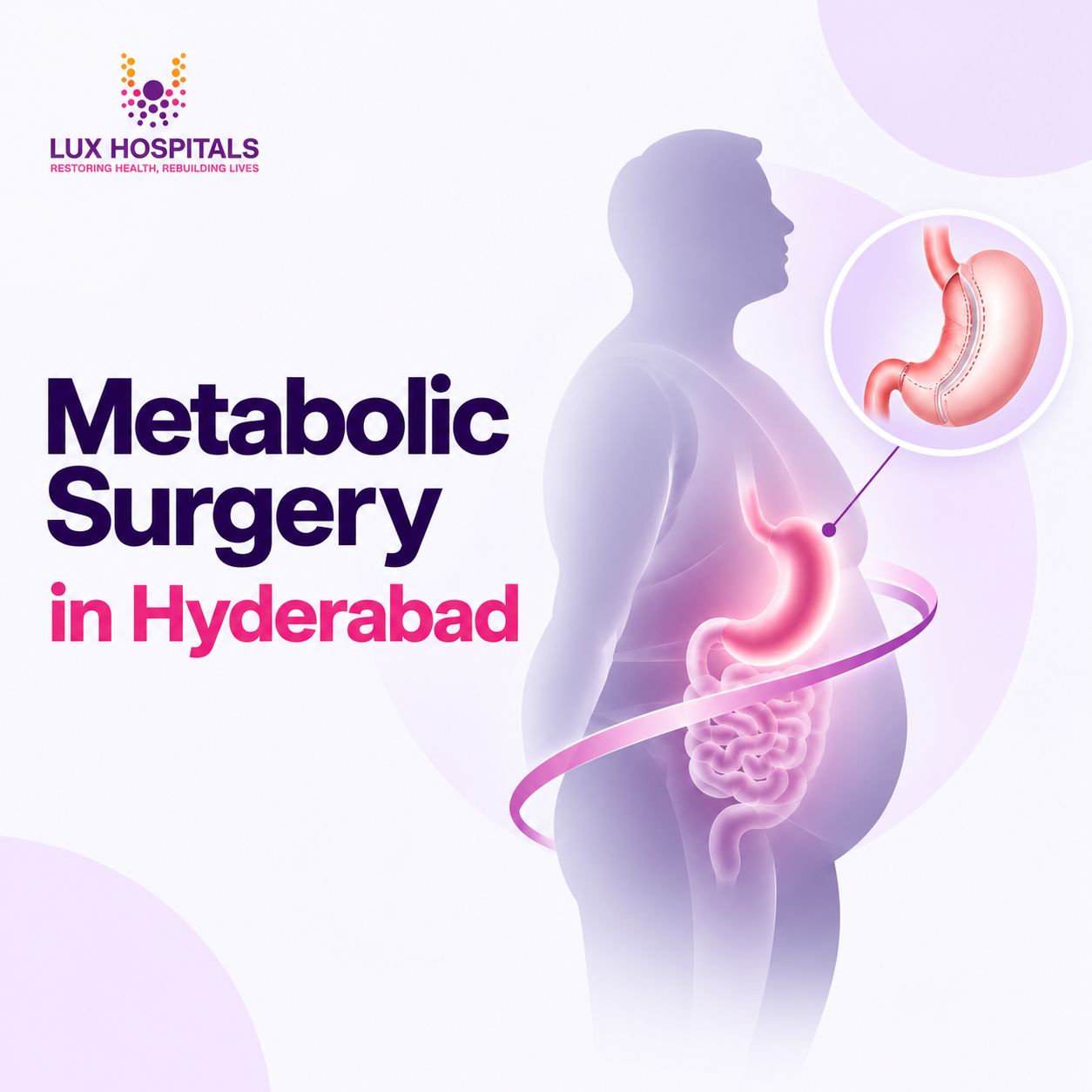
Managing type 2 diabetes while also dealing with obesity can be challenging, especially when medicines, diet changes, and exercise do not provide the expected results. If blood sugar remains difficult to control and excess weight continues to affect your health, it may be time to discuss additional treatment options with a specialist. Metabolic surgery in Hyderabad may be considered for eligible people with type 2 diabetes and obesity when non-surgical approaches have not achieved sufficient or lasting improvement. Metabolic surgery can support significant weight loss and improve blood sugar control, but it requires careful assessment and long-term follow-up. A consultation is the right place to ask questions, understand your options, and determine whether surgery fits your health needs.
Why Can Diabetes and Obesity Persist Despite Treatment?
Type 2 diabetes and obesity are closely connected. Excess body weight can contribute to insulin resistance, making blood sugar harder to control. At the same time, managing weight can become more difficult when diabetes, medications, eating patterns, inactivity, sleep problems, or other health conditions are involved. If your HbA1c stays above your target despite treatment, or your weight keeps increasing despite consistent effort, your doctor may reassess your overall treatment strategy. During a consultation for metabolic surgery in Hyderabad, discuss your complete medical and weight history rather than focusing only on your current blood sugar level.
Important Details to Share
- How long you have had type 2 diabetes
- Your recent HbA1c and blood glucose readings
- Diabetes medicines and insulin use
- Previous weight-loss attempts
- Current weight and weight changes
- Existing health conditions
- Previous dietary and exercise programmes
- Sleep problems or other obesity-related concerns

1. Am I a Candidate for Metabolic Surgery?
One of the first questions to ask is whether metabolic surgery in Hyderabad is suitable for you. Eligibility depends on several factors, including BMI, diabetes control, obesity-related conditions, overall health, previous treatment, and surgical fitness. Current diabetes guidance considers metabolic surgery as a treatment option for eligible people with diabetes and a BMI of 30 kg/m² or higher, with lower BMI thresholds recognised for some Asian populations. However, BMI alone does not determine whether surgery is appropriate.
Ask Your Surgeon:
- What is my current BMI and metabolic risk?
- Does my diabetes qualify me for surgical treatment?
- Have my non-surgical treatments been adequate?
- Could surgery improve my diabetes control?
- Are there medical reasons I should avoid surgery?
Your Surgeon should make the recommendation after a complete evaluation, not based on weight alone.
2. Can Metabolic Surgery Help Control Type 2 Diabetes?
Metabolic surgery does more than reduce stomach capacity. Procedures can change appetite, food intake, metabolism, and glucose regulation. Evidence shows that metabolic surgery can produce substantial weight loss and improve glycaemic control in people with type 2 diabetes and obesity. Some patients may experience diabetes remission, although results vary and surgery does not guarantee that diabetes will disappear permanently. When considering metabolic surgery in Hyderabad, ask your doctor about the expected effect on your diabetes rather than focusing only on the amount of weight you may lose.
Questions Worth Asking
- Could my HbA1c improve after surgery?
- Could I reduce my diabetes medicines?
- How quickly might blood sugar changes occur?
- What factors affect diabetes remission?
- Will I still need diabetes monitoring after surgery?
Your surgeon and diabetes-care team can explain what to expect in your individual case realistically.
3. Which Procedure Is Right for Me?
Different metabolic procedures work differently. Sleeve gastrectomy and Roux-en-Y gastric bypass are among the commonly performed procedures. The best choice depends on your medical history, BMI, diabetes status, eating patterns, previous treatments, and the benefits and risks associated with each procedure. For patients considering metabolic surgery in Hyderabad, the goal should not simply be to select the procedure that promises the greatest weight loss. Your healthcare team should consider your complete metabolic health.
Ask About:
- Sleeve gastrectomy
- Gastric bypass
- Expected weight-loss outcomes
- Potential effect on diabetes
- Nutritional requirements
- Possible complications
- Recovery and follow-up
- Long-term lifestyle changes
Understanding why a particular procedure is recommended can help you make an informed decision.
4. What Tests and Assessments Are Needed Before Surgery?
A metabolic surgery consultation involves more than talking about the procedure. Your medical team may assess your diabetes, cardiovascular health, diet, medications, psychological preparedness, and other factors that may affect surgical outcomes. In addition to long-term nutritional and metabolic monitoring after surgery, guidelines suggest evaluating psychological, social, and environmental factors that may influence surgical outcomes. Your doctor may suggest tests like these before metabolic surgery in Hyderabad:
- Blood glucose and HbA1c testing
- Blood pressure evaluation
- Nutritional assessment
- Liver and kidney function tests
- Cardiovascular assessment when required
- Medication review
- Weight and BMI assessment
- Other tests based on your medical history
These evaluations help your team identify potential risks and prepare you for treatment safely.
5. What Happens After Metabolic Surgery?
Surgery is only one part of long-term metabolic care. Your eating pattern, physical activity, medications, nutritional intake, and blood sugar levels may need ongoing monitoring. After metabolic surgery in Hyderabad, your healthcare team may gradually adjust your diet and diabetes medicines according to your progress. You may also need prescribed vitamins or mineral supplements and regular follow-up appointments. Current guidance recommends long-term medical and behavioural support along with routine monitoring of nutritional and metabolic status after surgery.
Ask Your Doctor About:
- When diabetes medicines may be adjusted
- How often HbA1c should be checked
- What foods to prioritise after surgery
- Which supplements you may require
- When you can resume physical activity
- How often follow-up visits are needed
- What to do if weight returns later
Long-term follow-up is important because your health needs can change as your weight and blood sugar improve.
Can Metabolic Surgery Replace Diabetes Medicines?
Not always. After surgery, some people could require less diabetes medication, while others might still require it. Diabetes duration, pancreatic function, current glucose management, weight, medications, and personal health are some of the variables that affect the reaction. Although metabolic surgery can help manage diabetes, patients should never stop taking their medications on their own. Your diabetes care team should monitor your blood sugar levels and make safe medication adjustments.
Why Consider Lux Hospitals for Metabolic Surgery?
Choosing a hospital for metabolic treatment involves more than selecting a surgical procedure. Patients benefit from a structured approach that considers obesity, diabetes, nutrition, surgical fitness, recovery, and long-term follow-up. At Lux Hospitals, patients considering metabolic surgery in Hyderabad can discuss their diabetes control, weight history, previous treatment, health conditions, and treatment goals during a specialist consultation. The focus should be on creating an individualised treatment plan that addresses both weight and metabolic health.
When Should You Discuss Metabolic Surgery?
Consider speaking with a specialist if:
- Your diabetes remains difficult to control despite treatment.
- You have obesity along with type 2 diabetes.
- Your weight continues to increase despite sustained efforts.
- Previous weight-loss approaches have not produced lasting results.
- Diabetes or obesity is affecting your daily life.
- You want to understand whether surgery is medically appropriate.
A consultation does not automatically mean you will need surgery. It allows you to understand whether metabolic surgery in Hyderabad is an appropriate option for your situation.
Conclusion
When type 2 diabetes and obesity continue to worsen despite treatment, increasing medication may not always be the best course of action. A comprehensive metabolic evaluation can help determine whether additional therapy could improve metabolic health and weight. Metabolic surgery in Hyderabad can be an effective treatment option for carefully chosen patients, but it calls for careful assessment and ongoing dedication. Before deciding, discuss your eligibility, possible procedures, expected diabetes benefits, risks, preparation, and follow-up requirements. With an expert consultation at Lux Hospitals, you may learn more about your options and move forward with better metabolic health.
Frequently Asked Questions
Yes, metabolic surgery can significantly improve blood sugar control in properly selected individuals with type 2 diabetes and obesity. It may also lead to diabetes remission in some people, although outcomes depend on several factors, including the diabetes duration, the type of surgery, the patient's weight, and overall health. An expert consultation can determine whether metabolic surgery in Hyderabad fits your diabetes and weight-management goals.
Eligibility depends on BMI, diabetes management, obesity-related disorders, previous treatment, and overall surgical fitness. Current guidelines consider metabolic surgery for suitable persons with diabetes and a BMI of 30 kg/m² or greater, while some Asian populations may be eligible for lower BMI limitations. Your doctor must review your whole medical history before choosing metabolic surgery in Hyderabad.
Following surgery, some individuals could need less diabetes medication, but this is not a guarantee. After surgery, your blood glucose levels may change dramatically, so you should only cut back on or stop taking medication under a doctor's supervision. Even when metabolic surgery improves blood sugar control in Hyderabad, routine diabetes monitoring is still crucial.
Both gastric bypass and sleeve gastrectomy can help with significant weight loss and treat type 2 diabetes, but each patient will require a different procedure. Your surgeon may consider your BMI, diabetes history, eating patterns, medical conditions, nutritional needs, and the benefits and risks of each procedure. Ask your specialist why they recommend a particular procedure before choosing metabolic surgery in Hyderabad.
After an initial period of improvement, diabetes may return or become less well managed in certain patients, especially if weight is regained or other metabolic variables change. This is why long-term follow-up, healthy eating, physical activity, medication review, and regular glucose monitoring remain important after surgery. Your care team can help you manage these risks after metabolic surgery in Hyderabad.
For patients considering surgical alternatives for obesity and metabolic disorders associated with obesity, Lux Hospitals provides expert consultation. Before discussing suitable treatment alternatives, the team can evaluate your overall suitability, medical problems, weight history, and diabetes control. A consultation at Lux Hospitals can help you understand the next steps if you are considering metabolic surgery in Hyderabad.
You can discuss diabetes management, your BMI, past attempts at weight loss, medications, possible procedures, expected results, preparation, risks, recovery, diet, and long-term follow-up. Rather than proposing surgery based solely on blood sugar or weight, the consultation helps the physician evaluate your overall health. Lux Hospitals can help you determine whether metabolic surgery in Hyderabad fits your overall care plan.