Dr. Samhitha Reddy
Consultant Proctologist & Laparoscopic Surgeon
MBBS, MS, FMAS, FISCP, DMAS
- 8 Yrs
- ASCRS Member
By Dr. Tagore Grandhi · MBBS, MS, FRCS (UK), DLS (France) 18 November 2026 5 min read
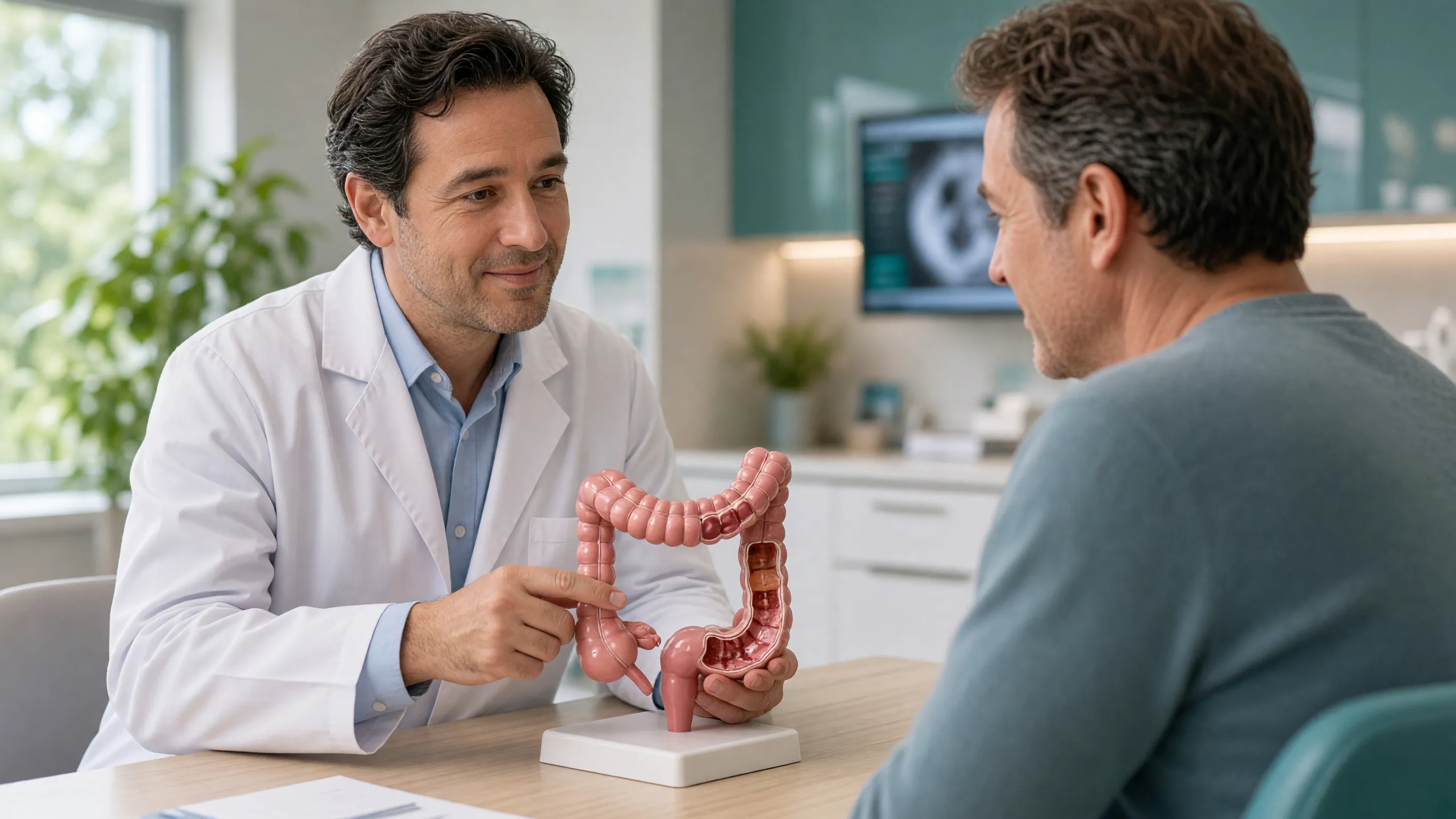
The early signs of colorectal cancer are often subtle. They include a lasting change in bowel habits, blood in the stool, unexplained tiredness, or abdominal discomfort that won't settle. Many people mistake these symptoms for piles, diet problems, or stress, which can delay diagnosis. In its earliest stages, colorectal cancer may cause no symptoms at all, so screening is vital. This guide explains six commonly overlooked warning signs, who is at higher risk, how doctors confirm a diagnosis, and the treatment options available at Lux Hospitals.
Colorectal cancer starts in the colon or rectum, the final parts of the digestive tract. Most cases begin as small growths called polyps that slowly turn cancerous over years.
Key facts to know:
Timely colon polyps treatment and regular screening can stop many cancers before they start. That is why spotting the early signs of colorectal cancer matters so much.
A change in your usual bowel pattern lasting more than a few weeks is often overlooked. People tend to blame food, travel, or stress.
Watch for:
No single change confirms cancer, but persistent shifts deserve a check-up. Our guide on signs of colorectal problems explains other bowel changes worth noting.
Bright red blood on toilet paper is often dismissed as piles or a small tear. Bleeding higher in the colon can make stools look dark or tarry instead.
Signs to notice:
Piles are common, but never assume bleeding is harmless without an examination. If haemorrhoids are the cause, early piles treatment can ease symptoms once cancer is ruled out.
Don't ignore rectal bleeding—book a consultation with the specialists at Lux Hospitals today.
Mild cramps, gas, or bloating are easy to blame on diet. When they persist for weeks without a clear cause, they may point to a growth in the bowel.
You may notice:
These colorectal cancer symptoms overlap with conditions like irritable bowel syndrome. A doctor can tell them apart with the right tests.
Slow, hidden bleeding from a tumour can cause iron-deficiency anaemia. Many people never see blood but simply feel tired all the time.
Common signs include:
Unexplained iron-deficiency anaemia, especially in men and post-menopausal women, often needs a bowel evaluation. Don't write off constant exhaustion as just a busy life.
Losing weight without trying is a red flag that many people welcome rather than question. Cancer can change appetite and how the body uses energy.
Be alert to:
If the scale drops without explanation, mention it to your doctor promptly. Combined with bowel changes, it needs urgent attention.
Noticed unexplained changes? Get evaluated by the experts at Lux Hospitals.
Tenesmus is the feeling that you still need to pass stool even after going. It can be a sign of a growth in the rectum.
This may feel like:
It's easy to dismiss as constipation, but a lasting sensation needs examination. Knowing the signs you should see a proctologist can help you act sooner.
Colorectal cancer can affect anyone, but some factors raise the risk. Cases in younger adults are also being reported more often.
Colon cancer risk factors include:
If you have risk factors, ask your doctor when to begin colorectal cancer screening. Many guidelines now advise starting around age 45 for average-risk adults.
Diagnosis starts with a detailed history and physical examination. Your doctor then chooses tests based on your symptoms and risk.
Common tests include:
Routine preventive health checkups can catch problems before symptoms appear. A colonoscopy remains the most complete way to examine the bowel.
Schedule your screening or colonoscopy at Lux Hospitals today.
Treatment depends on the cancer's location, stage, and your overall health. Our team plans care around your individual needs.
Options may include:
Learn more about our colon cancer treatment and rectal cancer treatment approaches. Early-stage disease often needs less extensive treatment.
The right team can make a real difference to outcomes and comfort. Lux Hospitals offers coordinated colorectal care under one roof.
Patients benefit from:
We focus on early detection, clear communication, and compassionate support at every step.
Book your consultation with the colorectal specialists at Lux Hospitals today.
The early signs of colorectal cancer are easy to miss because they often look like everyday digestive complaints. Persistent bowel changes, rectal bleeding, ongoing abdominal discomfort, unexplained fatigue, weight loss, and a feeling of incomplete emptying all deserve attention when they last more than a few weeks.
Most of these symptoms have harmless causes, but only a proper evaluation can rule out cancer. Screening and colonoscopy can find polyps before they turn cancerous, and early-stage cancer is far more treatable. If you notice any of these warning signs or have risk factors, don't wait. Speak with a specialist at Lux Hospitals for a timely, accurate diagnosis and personalised care.
Early signs may include lasting changes in bowel habits, blood in the stool, abdominal cramps or bloating, unexplained tiredness, and weight loss. Many people have no symptoms early on, which is why regular screening is so important.
Yes. Both can cause bright red rectal bleeding, so many people assume they simply have piles. Any rectal bleeding should be examined by a doctor to confirm the cause rather than assuming it is harmless.
Many guidelines advise average-risk adults to begin screening around age 45. People with a family history, inflammatory bowel disease, or other risk factors may need to start earlier. Your doctor can recommend the right timing for you.
It can. Slow, hidden bleeding from a tumour may lead to iron-deficiency anaemia, causing fatigue, weakness, and breathlessness. Unexplained anaemia, especially in men and post-menopausal women, often warrants a bowel evaluation by a specialist.
Colorectal cancer is highly treatable when detected early. Small polyps can often be removed during colonoscopy, and early-stage cancers frequently respond well to surgery. Outcomes depend on stage, location, and overall health, so prompt diagnosis matters.
Doctors use a combination of medical history, physical examination, stool tests for hidden blood, blood tests, and colonoscopy with biopsy. CT or MRI scans may then be used to check whether the cancer has spread.

Non-alcoholic fatty liver is a condition where extra fat builds up in the liver of people who drink little or no alcohol. It is mainly linked to excess weight, type 2 diabetes, high cholesterol, and insulin resistance, and it can often be improved with lifestyle changes. Doctors now also call it MASLD, or metabolic dysfunction-associated steatotic liver disease. Most people feel no symptoms in the early stages, so it often goes unnoticed. This guide explains the causes, symptoms, diagnosis, and treatment options, including expert cholesterol fatty liver care at Lux Hospitals.
16 November 2026

If you are considering weight-loss surgery, you may have several questions before deciding. Will your appetite reduce? Can reflux become worse? What happens years after surgery? Understanding these concerns can help you prepare for a safer and more informed treatment journey.
14 October 2026

Losing weight is not always as simple as eating less and exercising more. Many people work hard to lose weight but find that the weight comes back or that their health problems continue. Today, there are different ways to treat obesity, including weight loss medicines and bariatric surgery. This can make the decision confusing.
13 October 2026
Send your reports across and a senior surgeon will review them, explain the options and tell you honestly whether surgery is the right call.
Plot No.116, Lumbini Avenue, HITEC CITY, Near IKEA, Hyderabad – 500032