

Long Hours Standing or Sitting? Protect Your Veins
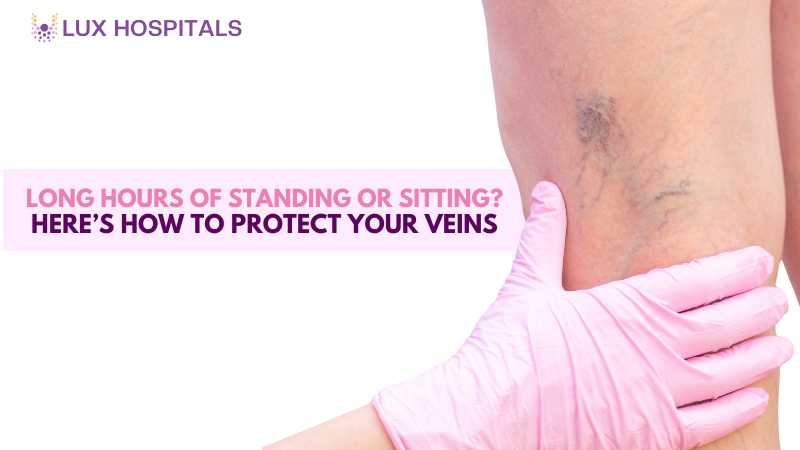
Many people work long hours while standing or sitting at workstations. This may not seem dangerous, but it can gradually harm your veins. Staying still or applying pressure to your legs for extended periods can lead to poor circulation, edema, and visible changes in your veins. Anybody can get varicose veins, a typical issue associated with these behaviors. Learning how your daily routine affects your circulation is the first step to prevention. In this blog, you’ll find out why sitting or standing for long periods strains your veins and get simple tips to keep them healthy.
Concerned About Your Vein Health?
Early awareness can prevent long-term vein damage.
👉Talk to Our Varicose Veins Specialist Now
How Long Sitting or Standing Affects Vein Health?
If you sit or stand for a long time, blood moves more slowly from your legs back to your heart. Veins need your muscles and special valves to help push blood upward. Without enough movement, blood can collect in your lower legs.
Over time, this extra pressure can weaken the walls of your veins and damage their valves, increasing the risk of Varicose Veins. People who work at desks, teach, work in factories, care for patients, or drive for long hours are especially at risk because they move less during work.
Work Long Hours Without Movement?
Your veins may already be under pressure.
👉Get Your Varicose Veins Checked Early
Why Varicose Veins Develop?
Varicose Veins occur when veins lose their elasticity, and their valves stop working properly. This lets blood flow backward and collect in the veins, causing them to become swollen, twisted, and more visible.
Common contributing factors include:
- Prolonged standing or sitting
- Lack of physical activity
- Obesity and excess body weight
- Pregnancy and hormonal changes
- Family history of vein disease
- Aging and reduced vein elasticity
Putting strain on your legs every day slowly makes your circulation worse, leading to more discomfort and visible vein problems.
Early Warning Signs You Should Not Ignore
Noticing early symptoms can help you avoid problems caused by Varicose Veins.
Common signs include:
- Leg heaviness or aching after work
- Swelling around the ankles and feet
- Burning or throbbing sensations
- Itching around the veins
- Night cramps or restlessness
- Visible blue or purple veins
If you ignore these symptoms, you could develop skin changes, ulcers, or even blood clots.
Experiencing Any of These Symptoms?
Early diagnosis means simpler treatment.
👉Book a Vein Consultation Today
How to Protect Your Veins During Long Work Hours?
You don’t need to make big changes to protect your veins. Simple, regular habits can go a long way in lowering your risk of Varicose Veins.
1. Keep Your Legs Moving
- Take short breaks every 30–45 minutes.
- Walk for a few minutes during your work break.
- Rotate ankles and flex calves while seated.
Moving your legs gets your calf muscles working, which helps push blood up toward your heart.
2. Maintain Proper Sitting and Standing Posture
- Avoid crossing your legs while sitting.
- Keep your feet flat on the floor.
- Shift weight frequently when standing.
Sitting and standing with good posture helps keep pressure from building up in your leg veins.
3. Elevate Your Legs Whenever Possible
- Elevate legs above heart level for 15–20 minutes daily.
- Use pillows while resting or sleeping.
This takes pressure off your veins and helps your blood flow better.
Not Sure How to Protect Your Veins at Work?
Personalized advice can prevent future complications.
👉Consult Our Vein Care Experts
Lifestyle Changes That Support Vein Health
Healthy habits are important for preventing Varicose Veins and keeping your blood flowing well over time.
Helpful lifestyle practices include:
- Regular walking or swimming
- Maintaining a healthy body weight
- Eating fiber-rich foods to prevent constipation
- Staying well hydrated
- Limiting salt intake to reduce swelling
Sticking with these habits is the best way to keep your veins healthy.
Role of Compression Stockings
Compression stockings gently squeeze your legs, which helps your veins move blood more easily. They are especially helpful if you spend long hours at work.
Benefits include:
- Reduced swelling
- Less leg fatigue
- Improved blood circulation
- Lower risk of worsening Varicose Veins
A vein specialist can help you choose the right level of compression based on your symptoms.
Confused About Compression Stockings?
Choosing the right type matters.
👉 Get Expert Guidance on Compression Therapy
Treatment Options for Varicose Veins
Modern medicine offers safe and effective solutions. Today’s medical treatments offer safe and effective ways to treat Varicose Veins, depending on their severity. Ser vein ablation
- Radiofrequency treatment
- Lifestyle-guided conservative care
The goal of specialized venous care, such as that provided by Lux Hospitals, is to accurately diagnose patients and develop individualized treatment plans.
When to Seek Medical Attention?
If changing your habits doesn’t help your symptoms, it’s important to see a doctor. Severe Varicose Veins can cause skin discoloration, ulcers, or bleeding if left untreated.
Consult a vascular specialist if you experience:
- Persistent pain or swelling
- Hard or tender veins
- Skin thickening or color changes
- Non-healing leg wounds
Finding problems early means you can get simple, less invasive treatments.
Don’t Delay Medical Care
Early treatment prevents serious complications.
👉 Schedule a Vein Health Evaluation
Conclusion
Sitting or standing might not be able to avoid for long hours, but you can prevent vein damage. Moving regularly, maintaining good posture, making healthy choices, and seeking care when needed all help lower your risk of Developing Varicose Veins. Watching for early signs and building good habits will protect your veins in the long run. If you experience ongoing discomfort, consulting a professional can help you receive safe and effective treatment. At Lux Hospitals, we focus on early diagnosis, simple treatments, and patient education to help you stay active, comfortable, and confident every day.s.
Frequently Asked Questions
Indeed, prolonged sitting raises venous pressure by slowing blood flow in the legs. This can eventually compromise vein valves, leading to the formation of varicose veins. Frequent exercise lowers this risk.
Because gravity exerts greater pressure on leg veins, standing for extended periods can be just as detrimental. Blood pooling increases the likelihood of varicose veins when there is no movement.
Untreated varicose veins can cause pain, skin ulcers, or blood clots, but mild examples may only be cosmetic. If symptoms worsen, a medical checkup is advised.
Yes, compression stockings lessen edema and increase blood flow. Those who work long hours or have early-stage varicose veins benefit most from them.
Varicose Veins usually do not disappear without treatment because the vein valves are already damaged. However, lifestyle changes, exercise, and compression stockings can help manage symptoms and prevent them from worsening. Medical treatments are required for permanent removal.
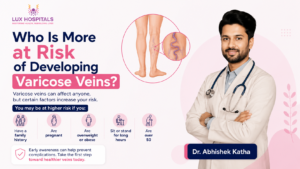
People who spend long hours standing or sitting, are overweight, pregnant, or have a family history of Varicose Veins face a higher risk. Aging and hormonal changes also increase susceptibility. Early preventive care can significantly reduce complications.