











Unexplained Weight Loss: When Is It a Sign of a Digestive Problem?
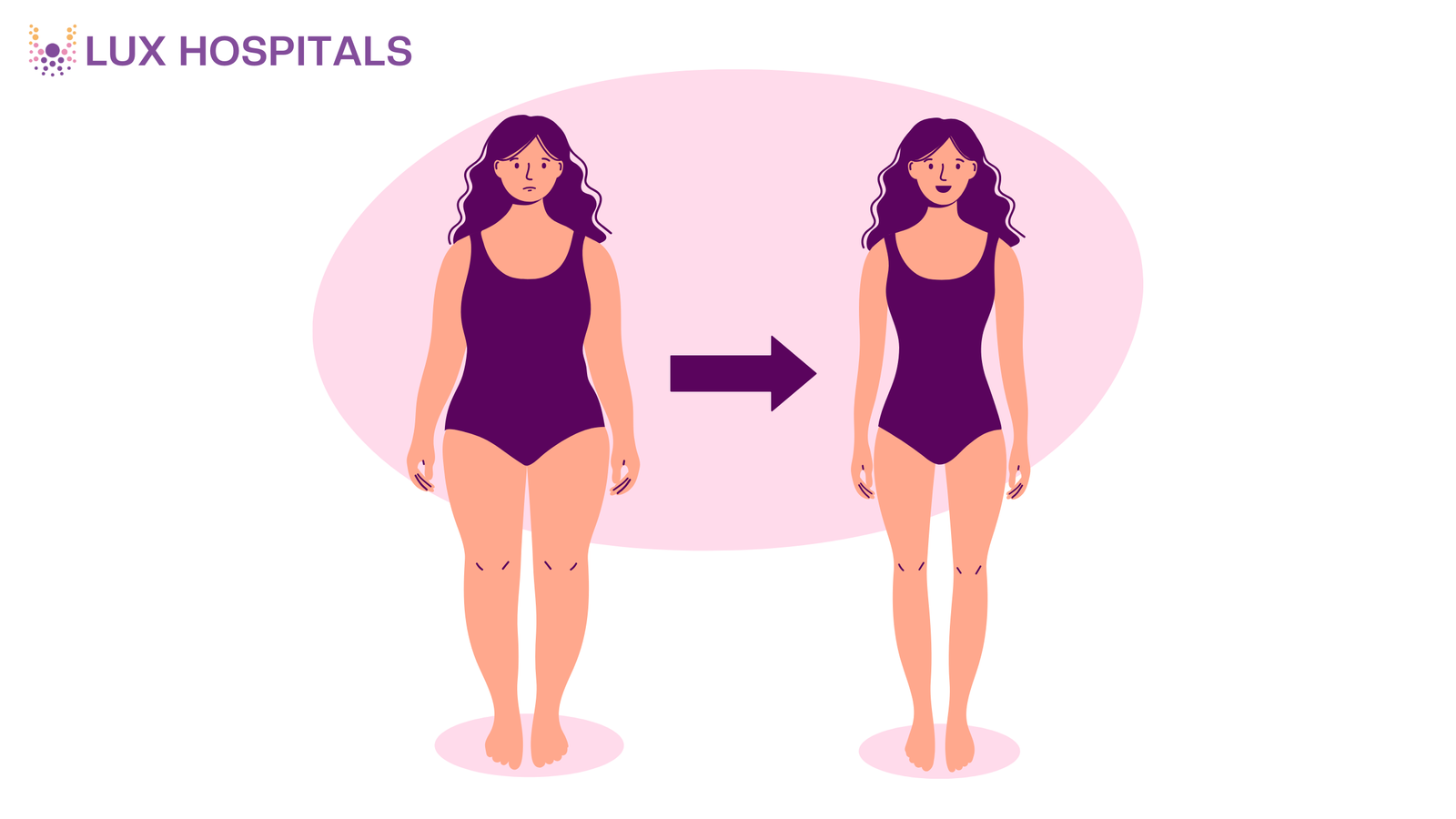
Weight changes are usually linked to diet, exercise, or stress, but unexplained weight loss without effort can be alarming. It may indicate an underlying digestive issue. Digestive health is crucial for nutrient absorption, energy production, and metabolism. Disturbances in digestion can lead to nutrient deficiencies and cause abrupt or gradual weight loss, which may require prompt medical attention. Understanding when weight loss is a warning sign helps prevent serious complications.
What Exactly Is Unexplained Weight Loss?
Unexplained weight loss refers to losing more than 5% of body weight within 6–12 months without changes in diet or activity. This is clinically significant and should never be ignored.
Key points to remember:
- Occurs without dieting or exercise
- Can happen rapidly or gradually
- Often signals an underlying medical condition
- Digestive disorders are a common hidden cause
Why the Digestive System Matters?
The digestive system is responsible for:
- Breaking down food
- Absorbing nutrients
- Regulating appetite and metabolism
When digestion is impaired, calories and nutrients are lost instead of absorbed, leading to unexplained weight loss, even if eating habits remain normal or increase.
Digestive Disorders Linked to Weight Loss
Several digestive conditions can directly contribute to unexplained weight loss by reducing nutrient absorption or increasing energy expenditure:
1. Malabsorption Disorders
Conditions like celiac disease prevent proper absorption of vitamins, proteins, and fats. Frequent meals may still fail to meet the body’s nutritional needs.
2. Inflammatory Bowel Disease (IBD)
Chronic inflammation from Crohn’s disease or ulcerative colitis causes pain, diarrhoea, and calorie loss.
3. Chronic Gastrointestinal Infections
Infections such as H. pylori can reduce appetite, cause nausea, and interfere with digestion.
4. Pancreatic Disorders
The pancreas produces enzymes essential for digestion. Reduced enzyme production leads to poor food breakdown and weight loss.
5. Digestive Tract Cancers
Gastrointestinal cancers can alter metabolism and reduce food intake. Unexplained weight loss may be an early warning sign.
Warning Signs of a Digestive Cause?
Weight loss related to digestion rarely occurs in isolation. Look out for:
- Chronic diarrhoea or constipation
- Bloating and excessive gas
- Abdominal pain or cramps
- Nausea or vomiting
- Loss of appetite or early fullness
- Fatigue and weakness
- Changes in stool colour or consistency
Persistent symptoms combined with unexplained weight loss require medical evaluation.
How Doctors Diagnose Digestive-Related Weight Loss?
Doctors follow a structured diagnostic approach to identify the cause:
- Blood tests to check for anaemia, inflammation, and deficiencies
- Stool tests to detect infections or fat malabsorption
- Imaging scans such as ultrasound or CT scans
- Endoscopy or colonoscopy to directly examine the digestive tract
Early diagnosis improves treatment outcomes and speeds recovery.
Treatment Options and Recovery Process
Treatment depends on the underlying digestive condition:
- Medications to reduce inflammation or treat infections
- Enzyme replacement therapy for pancreatic disorders
- Specialised diets for malabsorption conditions
- Nutritional supplements to restore deficiencies
With proper care, most patients regain weight steadily and experience improved energy and overall well-being.
When Is Unexplained Weight Loss an Emergency?
Immediate medical attention is necessary if weight loss is accompanied by:
- Blood in stool
- Severe or persistent abdominal pain
- Continuous vomiting
- Night sweats or fever
- Difficulty swallowing
These symptoms may indicate a serious digestive disease and should not be ignored.
Conclusion
Unexplained weight loss should never be overlooked, particularly when digestive health may be involved. Digestive disorders impact nutrient absorption, metabolism, and overall health. Early diagnosis and expert care can prevent long-term complications.
If you are experiencing unexplained weight loss or have concerns about your digestive health, schedule a consultation with Lux Hospital’s specialised gastroenterology team today. Take proactive steps toward accurate diagnosis, personalised treatment, and long-term digestive wellness. Prioritising your health ensures better outcomes, faster recovery, and lasting peace of mind.
Frequently Asked Questions
Nutrient absorption is indeed hampered by digestive problems. As a result, the body must burn muscle and fat for energy. Common causes include diseases like celiac disease and IBD.
It is worrying to lose more than 5% of body weight. Usually, this takes place over a period of six to twelve months. If symptoms continue, even minor losses are significant.
Long-term stress disrupts digestion and the regulation of hunger.It might make IBS and acid reflux symptoms worse. Inadequate digestion eventually reduces the amount of calories absorbed.
Yes, weight loss can appear before other signs. Digestive diseases may remain silent initially. Malabsorption disorders often behave this way.
Yes, feeling well does not rule out inside issues. Digestive disorders can develop silently. Evaluation is always necessary for ongoing weight loss.