













How Total Knee Replacement Improves Mobility and Quality of Life?
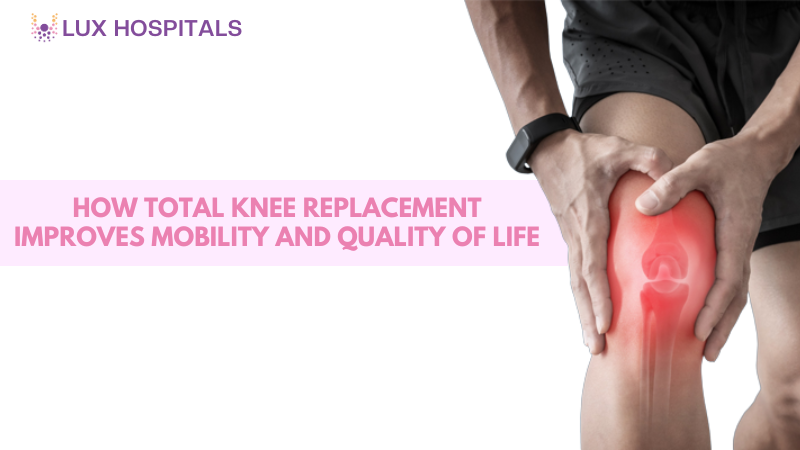
Walking and climbing stairs are examples of daily activities that might be tiring if you have chronic knee discomfort. A total knee replacement can change many people’s lives by restoring mobility and reducing chronic pain. Advancements in surgical technology have made the process safer, more predictable, and more effective. How total knee replacement can improve is explained in this blog.
Understanding Total Replacement of the Knee
The surgical process of a total knee replacement involves replacing the damaged knee joint with artificial components made of metal and strong plastic. These new parts work like a natural joint, enabling smoother, steadier movement. When knee discomfort, stiffness, or restricted movement make daily living challenging, doctors typically recommend this operation.
Who Needs the Procedure?
A physician may advise a total knee replacement if you have:
- Severe rheumatoid arthritis or osteoarthritis
- Persistent knee discomfort that lasts longer than six months
- Limited mobility despite medicine or physical treatment
- Knee deformities like bow legs or knock knees make it difficult to conduct daily chores
How Total Knee Replacement Improves Mobility
1. Restores Smooth Joint Movement
The main benefit of total knee replacement is restoring smooth, natural joint movement. Surgeons remove the damaged cartilage and replace it with an artificial surface that moves easily. This makes walking, sitting, standing, and bending much easier. People who struggled with basic tasks often see a big improvement in how they move.
2. Reduces Chronic Pain
Chronic pain from joint damage can make it hard to move. Total knee replacement removes the part of the knee causing pain, providing long-term relief. Most people feel much less discomfort just a few weeks after surgery. Being able to move without pain helps people feel more confident and active.
3. Improves Balance and Stability
When the knee is unstable, standing and walking can be risky, especially for older adults. After total knee replacement, the new joint is more stable because it is well-aligned and better supports weight. This lowers the chance of falling and helps people walk farther without feeling unsteady or uncomfortable.
4. Increases Range of Motion
Old joints can restrict the range of motion and make it difficult to bend or flex the knee before surgery. After a total knee replacement, people usually have a greater range of motion and can participate in activities they previously avoided. This could entail bending the knee completely, crouching, or ascending stairs more effortlessly. After a complete knee replacement, doctors often note that patients participate in:
- Morning walks
- Light exercises
- Household tasks
- Recreational activities like cycling or swimming
Increasing physical activity improves general fitness and heart health in addition to making movement easier.
Total Knee Replacement Improves Quality of Life
Total knee replacement significantly enhances quality of life by reducing chronic pain and restoring smooth, comfortable movement. It allows individuals to regain independence, return to daily activities with confidence, and enjoy a more active, fulfilling lifestyle.
1. Enhances Independence
Before surgery, people often need help with basic things like shopping, walking, or climbing stairs. After total knee replacement, they can do these tasks on their own again because they are easier and less painful. This boost in independence also helps people feel better emotionally.
2. Reduces Mental Stress
Chronic pain can lead to frustration, irritability, and difficulty sleeping. After total knee replacement, when the pain is gone, people often sleep better, feel happier, and have less anxiety. Being able to move freely also helps with mental health.
3. Encourages Participation in Social Life
Limited mobility often prevent When it’s hard to move people from participating in social events or getting together with family. Due to increased mobility and decreased pain, people feel more at ease attending events, traveling, and participating in outdoor activities after surgery. They benefit from this for at least 15 to 20 years. investment in one’s future. feel better both emotionally and socially. Dern implants used in total knee replacement can endure
Recovery Tips to Maximize Results
To get the best results after total knee replacement, follow these important recovery tips:
- Physiotherapy: Start guided exercises immediately after surgery to regain strength.
- Weight Management: Maintaining a healthy
- Avoid High-Impact Activities: Limit your exercise to low-impact activities like walking, cycling, and swimming.
- Weight lessens the strain on the new joint.
- Frequent Follow-Ups: To track joint performance, schedule follow-up sessions.
Conclusion
Total knee replacement can provide pain relief, improved mobility, and a higher quality of life. With good care, people often regain independence and return to activities they used to find hard. Modern hospitals, such as Lux Hospitals, use advanced surgical techniques to help patients recover faster and achieve better outcomes. If knee pain is making life difficult, talking to an orthopedic specialist could be the first step toward lasting relief and better daily living.