














Complications of Untreated Chronic Constipation & When to Seek Help?

Chronic Constipation is more than just an occasional digestive inconvenience. When bowel movements become infrequent, difficult, or painful over a long period, it may signal deeper health concerns. Many people ignore early signs, assuming the problem will resolve on its own. However, untreated Chronic Constipation can gradually lead to serious complications affecting not only the digestive system but overall well-being.
What is Chronic Constipation?
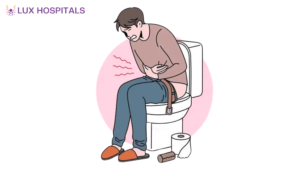
Chronic Constipation is generally defined as having fewer than three bowel movements per week for several months or longer. It often involves hard stools, excessive straining, and a feeling of incomplete evacuation. While diet and lifestyle play a major role, medical conditions and certain medications can also contribute. When Chronic Constipation persists without proper treatment, the digestive system struggles to function efficiently, increasing the risk of complications.
Why Chronic Constipation Should Not Be Ignored?
Ignoring Chronic Constipation can lead to progressive bowel dysfunction. The longer stool remains in the colon, the more water is absorbed, making it harder to pass. This cycle worsens symptoms and increases pressure inside the intestines. Over time, this pressure affects surrounding tissues and organs, leading to avoidable health problems that may require medical intervention.
Complications of Untreated Chronic Constipation
1. Hemorrhoids and Anal Fissures
- Repeated straining puts pressure on rectal veins.
- Swollen veins lead to painful hemorrhoids.
- Hard stools can tear the anal lining, causing bleeding and discomfort.
Early detection and treatment of Chronic Constipation help prevent recurrent hemorrhoids and fissures.
2. Fecal Impaction
- Stool becomes extremely hard and stuck in the rectum.
- Normal bowel movements become impossible.
- Abdominal pain, bloating, and discomfort worsen.
Medical removal may be necessary if left untreated, particularly in older adults.
3. Rectal Prolapse
- Excessive straining weakens pelvic muscles.
- Part of the rectum protrudes through the anus.
- Discomfort, hygiene issues, and social embarrassment may occur.
Surgical correction is sometimes required. Early management of constipation reduces risk.
4. Intestinal Obstruction
- Hardened stool blocks intestinal movement.
- Severe pain, vomiting, and cessation of gas or stool passage may occur.
Emergency medical care is often required, making early treatment critical.
5. Worsening Digestive Health and Toxin Buildup
- Waste stays longer in the colon, increasing toxin reabsorption.
- Bloating, fatigue, and digestive discomfort worsen.
- Appetite and overall digestion may decline.
Proper bowel management maintains digestive balance and overall health.
6. Impact on Mental and Emotional Well-Being
- Daily discomfort causes stress and anxiety.
- Fear of bowel movements may develop, affecting social activities.
- Quality of life declines.
Addressing constipation improves both physical and emotional well-being.
How Chronic Constipation Is Diagnosed?
Accurate diagnosis identifies the root cause:
- Detailed medical and dietary history
- Physical and rectal examination
- Blood tests or imaging, if required
- Specialized bowel function tests
Early diagnosis ensures effective, targeted treatment.
Treatment and Management Approaches
Managing Chronic Constipation requires a comprehensive plan:
- Dietary fiber and hydration guidance
- Lifestyle and activity modifications
- Medications when necessary
- Advanced evaluation for persistent cases
Prompt treatment prevents complications and restores normal bowel habits.
Preventing Complications of Chronic Constipation
Prevention focuses on healthy digestive habits:
- Eat fiber-rich foods regularly
- Drink adequate water daily
- Maintain an active lifestyle
- Respond promptly to bowel urges
Consistency is key to preventing Chronic Constipation and long-term complications.
Conclusion
Untreated Chronic Constipation can silently progress into serious health complications, disrupting daily life and overall well-being. Recognizing early symptoms and seeking timely care can prevent many of these risks. Lux Hospital offers expert evaluation, patient-focused treatment plans, and advanced diagnostic support to help patients manage Chronic Constipation safely and effectively. With a focus on long-term digestive health, comfort, and prevention, Lux Hospital ensures patients regain confidence and improve quality of life through comprehensive care.
Frequently Asked Questions
Yes, Chronic Constipation can lead to lasting damage if left untreated. Repeated straining may weaken rectal and pelvic muscles over time. Complications like rectal prolapse and fecal impaction can become permanent issues.
Constipation lasting more than a few weeks may be considered Chronic Constipation. Persistent symptoms indicate an underlying issue that needs evaluation. Ignoring prolonged constipation increases the risk of complications.
Chronic Constipation can sometimes signal underlying medical conditions. Hormonal disorders, neurological issues, and bowel diseases may be involved. Certain medications can also contribute to ongoing constipation.
Lifestyle changes help manage many cases of Chronic Constipation. Diet, hydration, and physical activity play a major role. However, some patients need medical treatment or further evaluation.
You should seek medical help if Chronic Constipation lasts longer than two to three weeks. Warning signs include severe pain, bleeding, unexplained weight loss, or vomiting. Constipation that does not improve with diet and lifestyle changes needs evaluation.