












Fissures in Children: How to Identify and Treat Early.
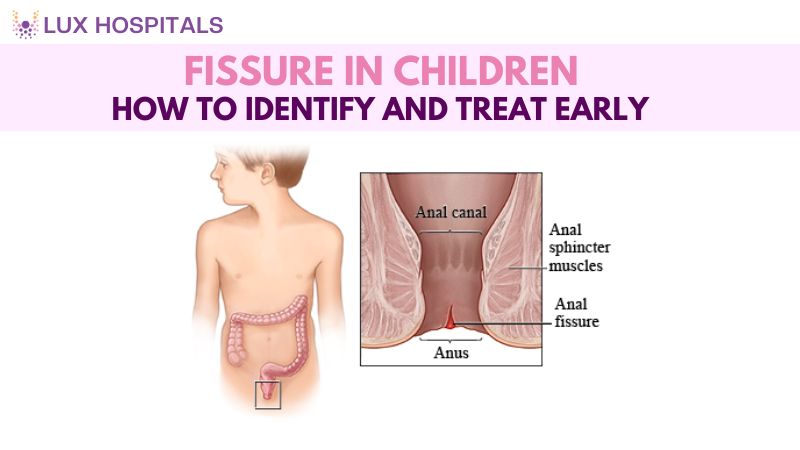
Fissures in children are tiny tears or cracks in the anus’s lining of the anus that may result in pain, bleeding, and discomfort during bowel movements. Though common, these can be distressing for both children and parents. Early detection and intervention are crucial for preventing chronic pain or infection. Knowing the signs, causes, and remedies of child fissures enables parents to respond promptly, ensuring their child’s comfort and a speedy recovery.
What Are Fissures in Children?
Fissures in children refer to minor rips or cuts in the anus’s sensitive lining. They are often caused by constipation, straining during bowel movements, or passing hard stools. These tears can lead to sharp pain and bleeding, making children afraid to defecate, which worsens constipation.
- Common in toddlers and young children.
- Usually heal within a week or two with proper care.
- Chronic cases may require medical attention.
Understanding fissures in children is key to ensuring timely intervention before the condition worsens.
Common Causes of Fissures in Children
Constipation is the most common cause of fissures in children. A child’s anal tissue may be torn as they strain to pass hard faeces. But additional elements may also play a role:
- Low-fibre diet: Not eating enough fruits, vegetables, or whole grains.
- Dehydration: Insufficient water intake makes stools hard and dry.
- Frequent diarrhoea: Irritates the anal area, leading to small tears.
- Infections or inflammation: Certain infections can make tissues more fragile.
Parents can prevent children from experiencing recurrent cracks by recognizing these factors early.
Symptoms of Fissures in Children
Recognizing the symptoms of fissures in children early helps ensure a faster recovery. Some common signs include:
When a child experiences pain during or after a bowel movement, they may cry or refuse to use the restroom.
- Blood on stool or toilet paper – Usually bright red, indicating a fresh tear.
- Itching or irritation – The affected area may feel sore or itchy.
- Fear of passing stools – Leading to withholding behaviour and worsening constipation.
To properly treat fissures in children, it is best to see a paediatrician if the symptoms persist for more than a few days.
Diagnosis of Fissures in Children
Doctors diagnose fissures in children through a physical examination. They may gently inspect the anal area for visible tears or swelling. In some cases, if the fissure is deep or recurrent, the doctor might recommend further testing to rule out underlying illnesses or infections. Early diagnosis is essential for preventing chronic fissures in children and ensuring the right treatment plan is followed.
Treatment Options for Fissures in Children
The two primary goals of treating children’s fissures are pain alleviation and smooth bowel movements.
1. Home Remedies:
- Promote a diet abundant in fruits, vegetables, whole grains, and fibre.
- Ensure adequate hydration to soften stools.
- Use warm water sitz baths to soothe pain and promote healing.
2. Medical Treatments:
- A doctor prescribes topical ointments with mild anaesthetics or healing agents.
- Stool softeners to make bowel movements easier.
- Antibiotic creams should be used if an infection is suspected.
With early and consistent care, most fissures in children heal within a few days.
Prevention of Fissures in Children
Preventing fissures in children involves creating healthy toilet and dietary habits.
- Diet: A balanced diet should eliminate junk food and include plenty of fibre-rich foods.
- Hydration: Encourage water and other natural fluids, such as soups or fruit juices.
- Toilet training: Teach children not to hold back stools.
- Physical activity: Promotes digestion and prevents constipation.
These simple daily habits significantly reduce the risk of developing fissures in children.
When to See a Doctor?
You should seek medical attention if:
- The fissures in children last for more than 2 weeks.
- There is excessive bleeding or severe pain.
- The child develops a fever or signs of infection.
- Constipation becomes a recurring issue.
Pediatric specialists can determine whether the condition is acute or chronic and recommend the appropriate course of treatment for fissures in children.
Complications if Left Untreated
Ignoring children’s fissures could lead to infection, persistent pain, or stool withholding behaviour. Persistent fissures may develop scar tissue, delaying further healing. Untreated cracks may hamper a child’s daily routine since they might induce anxiety and psychological distress. Early intervention ensures children’s fissures heal quickly and avoids long-term effects.
Conclusion
Severe discomfort and its aftereffects can be avoided. In kids who have fissures, if they are found early and treated right away. Parents should emphasise good hygiene practices, a balanced diet, and sufficient hydration to stop recurrence. Expert pediatric care is crucial for the management of chronic or persistent conditions. Lux Hospitals offers specialised pediatric and gastrointestinal care to effectively diagnose and treat fissures in children, ensuring your child’s comfort and recovery with compassion and expertise.
Frequently Asked Questions
Constipation and passing firm stools are the most frequent causes of fissures in children. Dehydration, infections, and bad toilet habits are further factors. A high-fibre diet and adequate hydration can help prevent them.
Suppose your child experiences pain during bowel movements, visible blood on stool, or avoids using the toilet. In that case, they may have fissures in children. Observation and early consultation with a paediatrician are key. A gentle examination can confirm the diagnosis.
Most fissures in children heal with home remedies and a proper diet. However, if left untreated, they can become chronic and require medical treatment. It's best to seek care if symptoms persist beyond a week.
Warm sitz baths, water, and a high-fibre diet are beneficial for children with mild fissures. Make sure your child isn't withholding stools and refrain from pressuring them to have bowel movements. See a doctor if the bleeding or pain persists.
Yes, children's fissures may recur if constipation or poor toilet habits persist. Preventive measures, such as regular bathroom habits, water intake, and diet, can reduce recurrence. Long-term use ensures better intestinal health.