












Warning Signs That Hernia Pain Needs Immediate Medical Care
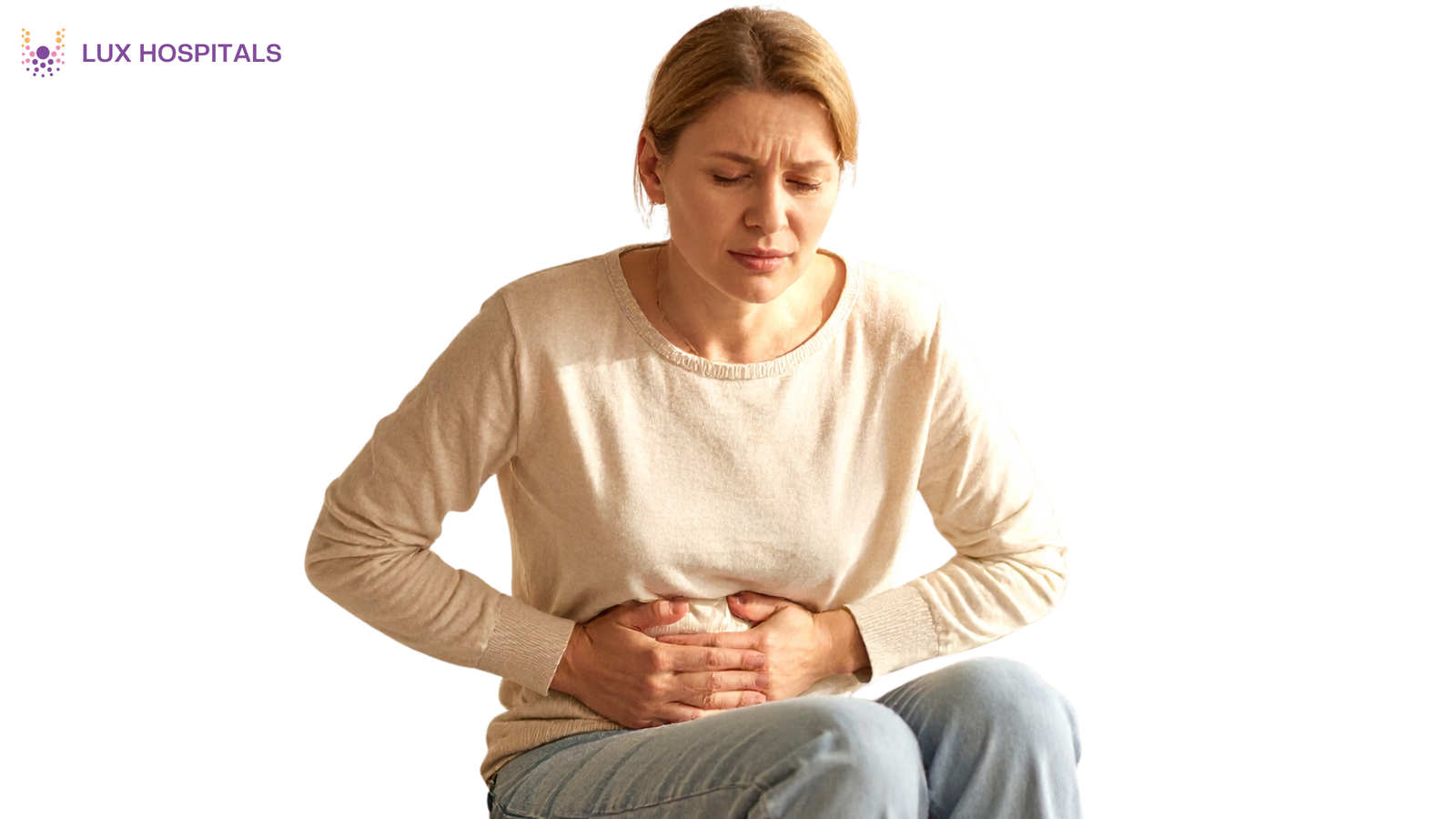
Hernias are common, but hernia pain should never be ignored. While some hernias cause mild discomfort, others can become dangerous very quickly. Many people live with hernia pain for months, assuming it is harmless, until sudden complications require emergency treatment.
Understanding when hernia pain crosses the line from manageable to urgent can prevent serious health risks. This guide highlights the critical warning signs, explains why immediate care is essential, and helps you know when to seek expert treatment without delay.
Understanding the Signs of Hernia Pain
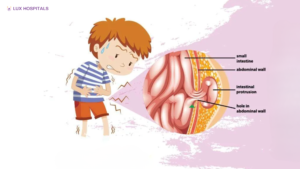
A hernia occurs when an internal organ or tissue pushes through a weak spot in the surrounding muscle or connective tissue. Hernia pain often appears as discomfort, pressure, or aching near the affected area, especially during:
- Lifting heavy objects
- Coughing or sneezing
- Prolonged standing
Common types of hernia include:
- Inguinal hernia
- Umbilical hernia
- Femoral hernia
- Incisional hernia
While mild hernia pain may seem manageable, worsening symptoms can signal serious complications.
Why Hernia Pain Should Not Be Ignored?
Ignoring hernia pain can allow the condition to progress into life-threatening complications such as:
- Strangulation of tissue
- Bowel obstruction
Reduced blood flow to trapped tissue may cause tissue death, severe infection, and emergency surgery. Early medical evaluation ensures timely intervention and avoids avoidable emergencies.
Warning Signs That Hernia Pain Needs Immediate Medical Care
- Sudden and Severe Hernia Pain
- Sharp or intolerable pain may indicate strangulation, requiring immediate surgery.
- Sharp or intolerable pain may indicate strangulation, requiring immediate surgery.
- Pain That Does Not Improve When Lying Down
- Persistent pain at rest can suggest incarceration, where tissue is trapped and cannot be pushed back.
- Persistent pain at rest can suggest incarceration, where tissue is trapped and cannot be pushed back.
- Nausea, Vomiting, or Fever Along With Pain
- Digestive symptoms with hernia pain may signal intestinal blockage or strangulation, which is a medical emergency.
- Digestive symptoms with hernia pain may signal intestinal blockage or strangulation, which is a medical emergency.
- Redness, Warmth, or Skin Colour Changes
- Red, purple, or dark skin over the hernia may indicate inflammation or restricted blood flow.
- Red, purple, or dark skin over the hernia may indicate inflammation or restricted blood flow.
- Rapid Increase in Swelling or Hardness
- Sudden enlargement, firmness, or tenderness indicates trapped tissue and needs urgent evaluation.
- Sudden enlargement, firmness, or tenderness indicates trapped tissue and needs urgent evaluation.
High-Risk Groups for Complicated Hernia Pain
Certain individuals are at higher risk when experiencing hernia pain:
- Older adults
- People with chronic cough or constipation
- Obese individuals
- Those who lift heavy weights regularly
- Patients with previous abdominal surgeries
These groups should seek medical care early when hernia pain develops.
Complications Linked to Untreated Hernia Pain
Ignoring hernia pain can lead to:
- Strangulated hernia
- Bowel obstruction
- Tissue necrosis
- Severe infection
- Emergency surgery with longer recovery
How Doctors Evaluate Hernia Pain?
Evaluation typically includes:
- Physical examination
- Assessment of pain severity and duration
- Imaging tests like ultrasound or CT scan if required
- Review of digestive and systemic symptoms
Early diagnosis allows for planned surgery rather than emergency intervention.
Treatment Options for Hernia Pain
Treatment depends on severity:
- Mild pain: Monitoring and lifestyle modifications
- Persistent pain: Elective surgical repair
- Emergency symptoms: Immediate surgery
Conclusion
Understanding when hernia pain requires immediate medical care can be life-saving. What may begin as mild discomfort or a small bulge can quickly turn into a serious emergency if complications like strangulation or obstruction occur. Warning signs such as sudden severe pain, nausea, vomiting, redness over the swelling, or an inability to push the hernia back in should never be ignored. At Lux Hospitals, experienced surgeons use advanced diagnostic facilities to detect complications early and provide timely treatment. With a focus on early intervention, minimally invasive surgical techniques, and patient-centric care, the team ensures faster recovery, reduced pain, and safer outcomes for every patient.
Frequently Asked Questions
When hernia pain is abrupt, intense, or accompanied by nausea, vomiting, fever, or colour changes over the hernia, it becomes an emergency. These symptoms suggest strangulation or intestinal obstruction.
Yes, hernia pain may fluctuate, especially in early stages, worsening with activity and improving with rest. However, recurring or worsening hernia pain indicates that the hernia is progressing. Medical evaluation is recommended even if the pain temporarily subsides.
Under expert supervision, postponing surgery may be safe for mild hernia pain. But persistent pain eventually raises the chance of problems. Planned surgery is safer than emergency surgery triggered by rapidly deteriorating symptoms.
No, hernia pain does not always indicate strangulation, but it can be an early warning sign. Persistent or worsening pain requires evaluation to rule out serious complications. Ignoring symptoms increases the likelihood of emergencies.
Lifestyle changes such as avoiding heavy lifting, maintaining a healthy weight, and managing constipation may temporarily reduce hernia pain. However, these measures do not fix the hernia. Medical or surgical treatment is often required for long-term relief.