Dr. Samhitha Reddy
Consultant Proctologist & Laparoscopic Surgeon
MBBS, MS, FMAS, FISCP, DMAS
- 8 Yrs
- ASCRS Member
General and Laparoscopic Surgery
By Dr Abhishek Katha · MBBS, MS, FMAS 10 February 2025 5 min read Updated 25 September 2025
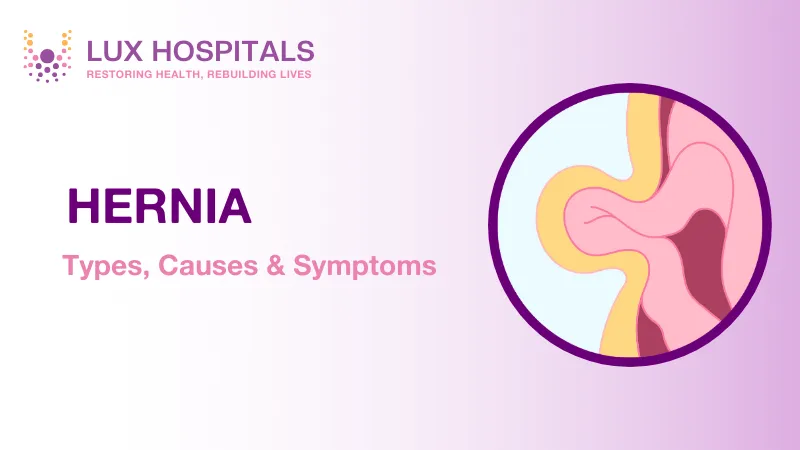
Hernias are common and affect millions of people worldwide.They occur as a result of an internal organ or tissue pushing through a weak area in the surrounding connective tissue or muscle. While they may present themselves as a minor condition, untreated hernias can eventually lead to serious complications.
The knowledge of the types, causes, symptoms, and treatment options is important in the effective management and prevention of this ailment.
A hernia is a weak area or opening in the surrounding muscle or connective tissue that allows an organ or tissue to protrude. Although hernias can occur in any part of the body, the most common types are those found in the abdominal or groin area. Hernias may develop gradually or suddenly after specific events, such as heavy lifting or straining.
Hernias are categorized by location. The most common are the following:
This is the most common type and occurs when part of the intestine or fatty tissue squeezes into the groin through the inguinal canal. It is more common in men.
Less common and more frequent in women, this type occurs when tissue protrudes through the femoral canal in the upper thigh. It’s more likely to happen during pregnancy or after giving birth.
This type is most common in infants but also occurs in adults, especially if they are overweight or have had multiple pregnancies. It is located near the belly button.
This occurs when a portion of the stomach goes into the chest through the diaphragm. It is commonly linked to GERD or gastroesophageal reflux disease.
These are located at the location of a prior surgical procedure because of poor healing that has left a weak point in the abdominal wall.
Located in the upper abdomen, in between the belly button and chest, this is caused by muscle weakness.
A rare variety that occurs on the side of the abdominal wall, below the navel
A combination of muscle strain and weakness usually causes hernias. Among the common causes are:
Hernia symptoms vary with the type and severity. The most common include:
If you experience these symptoms, it would be necessary to seek an expert’s opinion before complications arise.
Diagnosing usually starts with a physical exam. Doctors will ask you to cough or strain as they check for bulges. Diagnostic imaging, like ultrasound or CT scans, may be used to diagnose the type and severity of the condition.
The treatment depends on the type and severity of the condition. Larger or symptomatic hernias usually require treatment, whereas small, asymptomatic hernias might not need to be treated right away. The options include:
It could be advised to take a “watchful waiting” approach for minor, asymptomatic hernias. Frequent monitoring guarantees that the hernia won’t worsen. If symptoms appear, more care could be needed.
Some changes may provide relief from symptoms and can stop the hernias from getting worse:
Surgery is often the most effective treatment for hernias, especially the larger or symptomatic ones. There are two major types of Surgery:
a. Open Surgery
This is done through a single large incision to push the tissue back into place and repair the muscle with stitches or mesh reinforcement.
b. Laparoscopic Surgery
This is a minimally invasive technique using small incisions and a camera (laparoscope) to guide the surgeon. Recovery time is usually shorter and less painful than open Surgery.
Both techniques are used to reinforce the weakened area to avoid recurrence. The decision lies with the type of hernia, its size, and your general health.
Like any other surgery, hernia surgery also involves some risks, including:
These risks can be minimized by following the post-operative care guidelines.
While not all hernias can be prevented, you can reduce your risk with these measures:
The recovery time will vary depending on the Surgery. Some general tips for recovery include:
Hernias can dramatically influence daily life; however, there are effective treatments available. The key to not developing any complications is early diagnosis and intervention. Addressing a hernia quickly, whether with lifestyle changes or monitoring, provides relief and, consequently, increases the quality of life. Thus, if symptoms of a hernia arise, healthcare professionals should examine one for further diagnosis and a course of personalized treatment.
The best treatment for a hernia is surgery, either open or laparoscopic, depending on the size and symptoms. Small, asymptomatic hernias may be managed with watchful waiting and lifestyle changes.
If left untreated, a hernia can lead to complications such as pain, discomfort, and the risk of strangulation, where the blood supply to the herniated tissue is cut off. This can lead to tissue damage, infection, and other serious health issues. It’s important to seek treatment to prevent these risks.
The main cause of a hernia is a combination of muscle weakness and increased pressure, often from heavy lifting, chronic coughing, obesity, pregnancy, or aging.
The five warning signs of a hernia include a visible bulge, pain or discomfort when bending or lifting, heaviness in the abdomen or groin, burning or aching sensations, and in severe cases, nausea or vomiting.
For hernia diagnosis and treatment, you should see a general surgeon. Lux Hospitals has experienced general surgeons with the best expertise in hernia care, ensuring effective treatment and recovery.
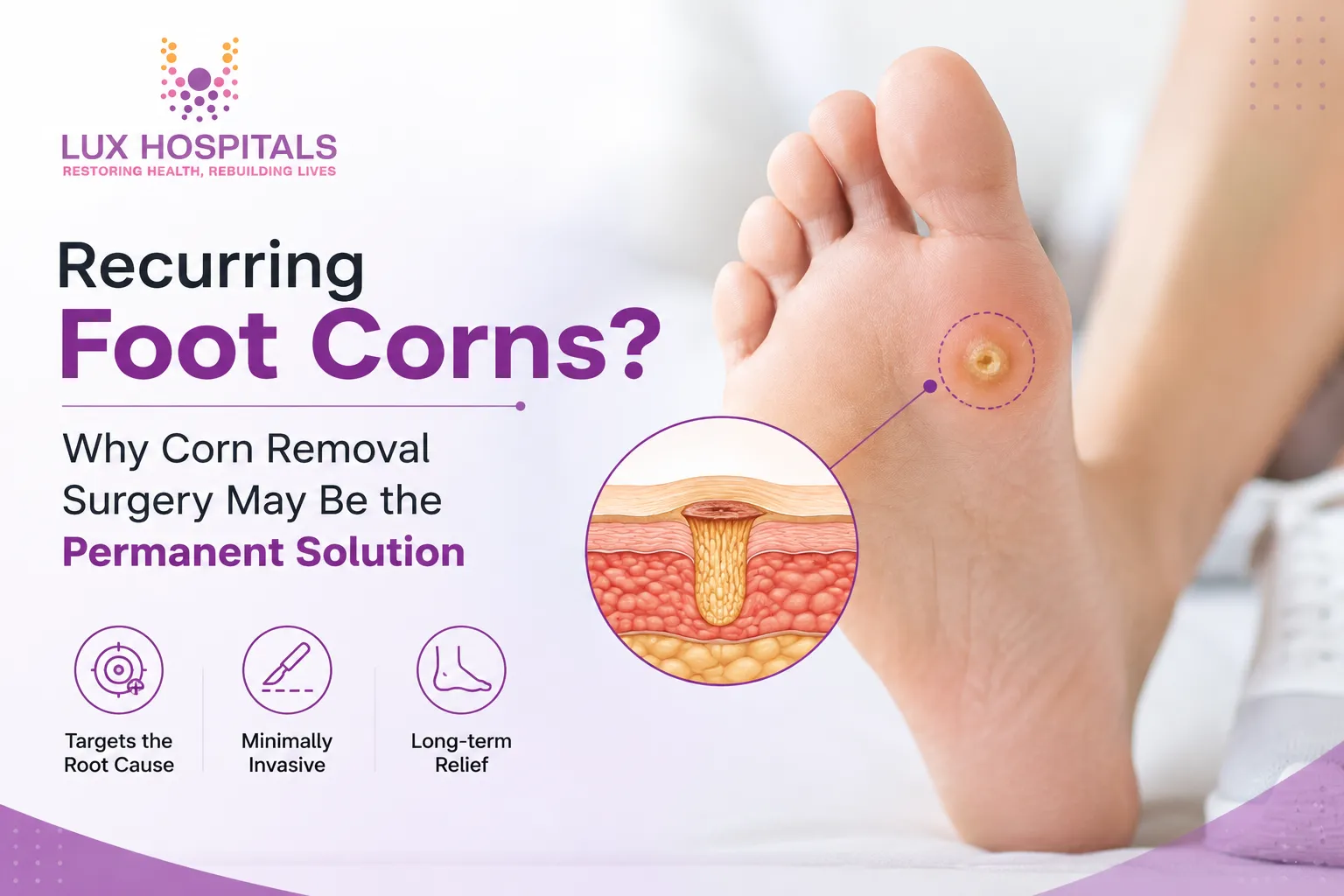
There is more to recurrent foot corns than merely a cosmetic issue. They may result in ongoing pain, trouble walking, and recurrent discomfort that interferes with day-to-day activities. Home treatments and over-the-counter corn pads may offer short-term comfort, but they frequently don’t address the root cause.
29 July 2026
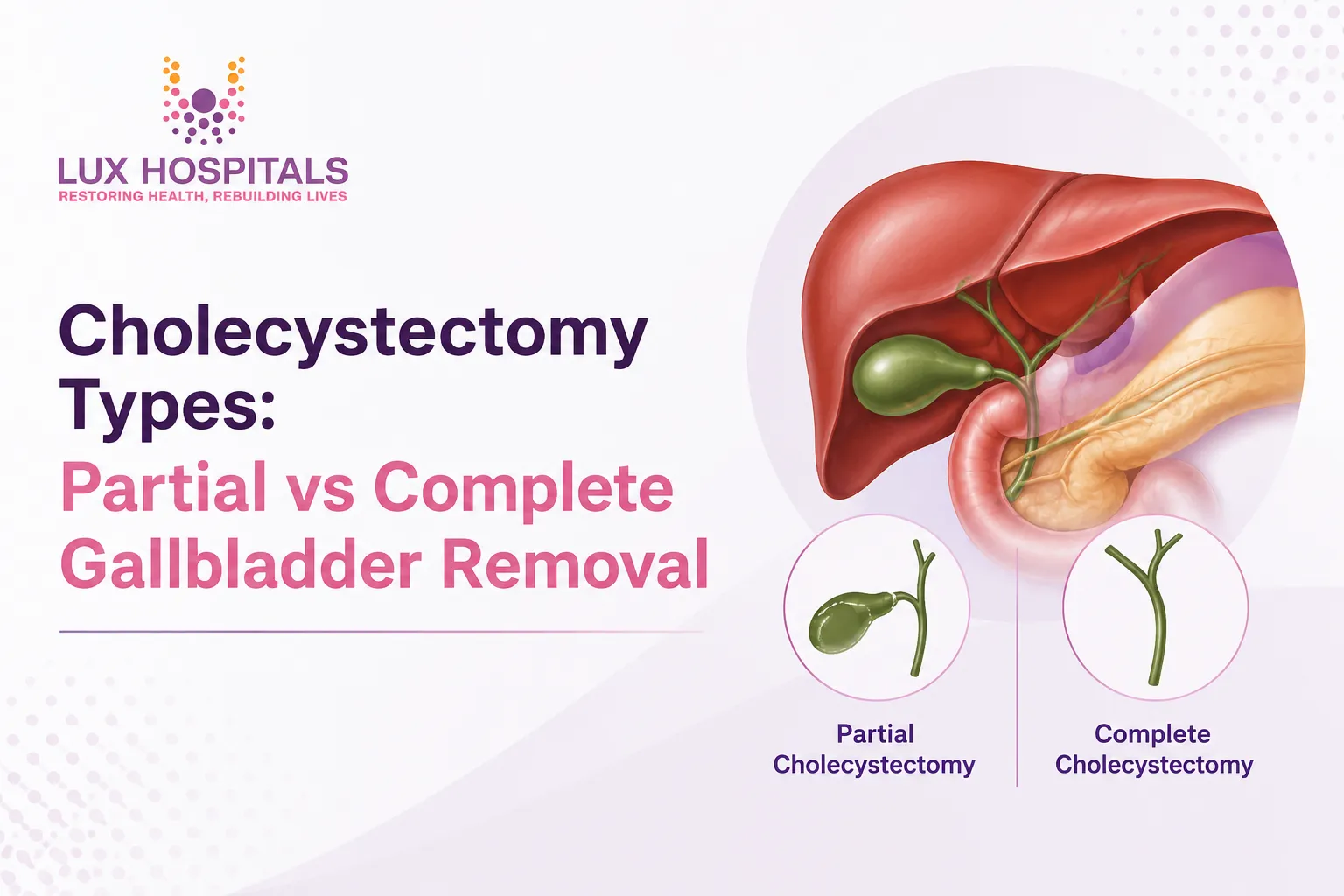
Gallbladder disease is a prevalent digestive problem that affects millions of people worldwide. To prevent serious consequences, surgery is often necessary to treat conditions such as gallstones, gallbladder inflammation, and infections. Partial removal may be advised in certain circumstances where removing the entire gallbladder could be dangerous, even though total removal is the typical technique.
24 July 2026
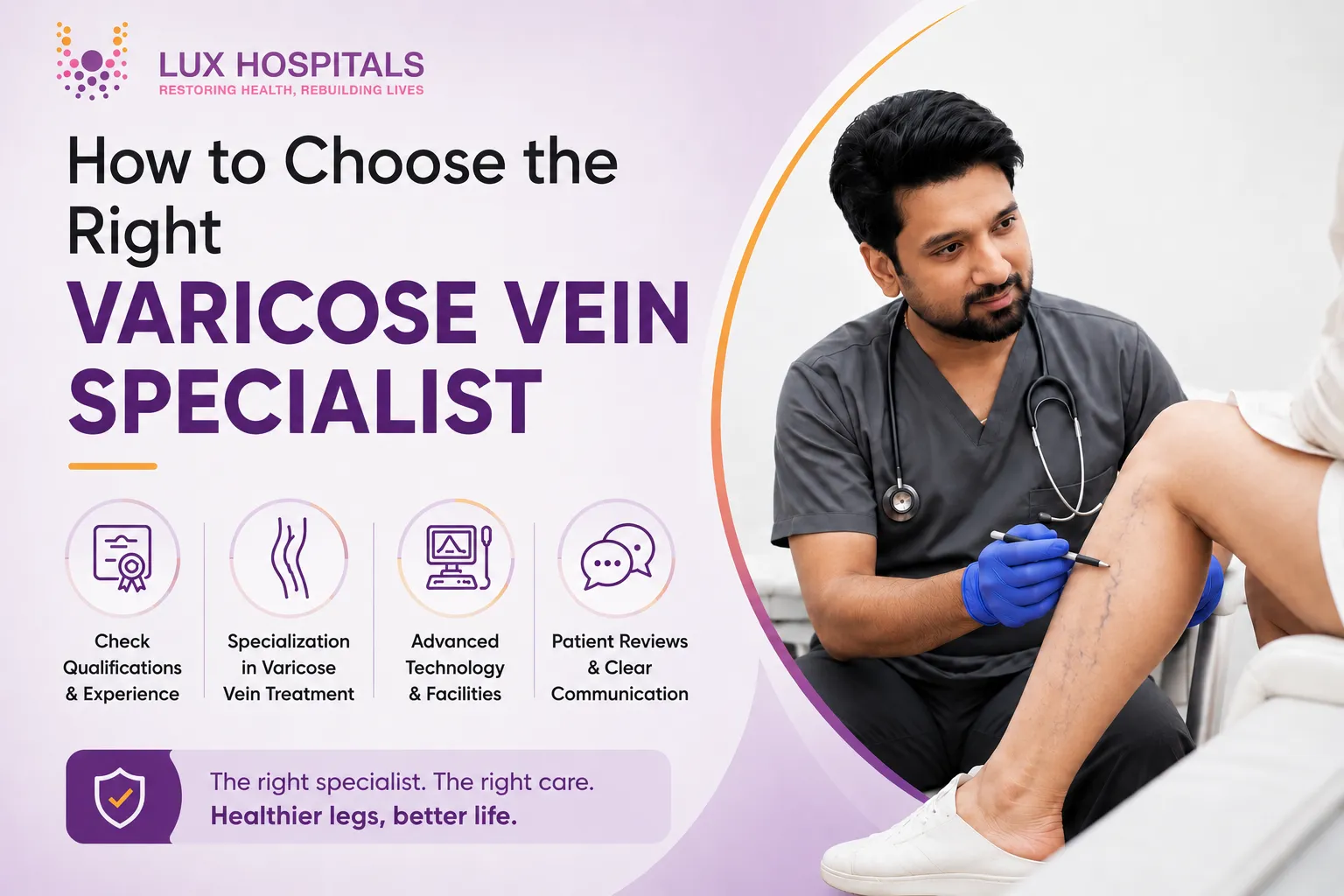
There is more to varicose veins than just appearance. If neglected, they might result in skin changes, pain, oedema, leg heaviness, and even problems. One of the most crucial choices you can make for successful treatment and long-term comfort is selecting the correct varicose vein specialist.
20 July 2026
Send your reports across and a senior surgeon will review them, explain the options and tell you honestly whether surgery is the right call.
Plot No.116, Lumbini Avenue, HITEC CITY, Near IKEA, Hyderabad – 500032