













Signs You Might Have a Rotator Cuff Injury
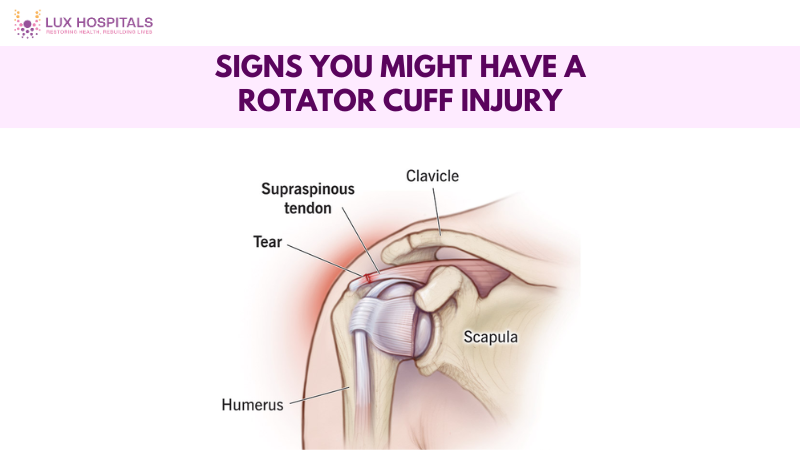
A Rotator Cuff Injury can affect anyone, from athletes to office workers, and often shows up as shoulder pain that disrupts daily activities. This group of muscles and tendons stabilizes your shoulder joint, so any damage can severely limit movement. Recognizing the signs early is crucial to preventing worsening conditions and seeking proper medical attention promptly. In this article, we’ll explore the key symptoms of a Rotator Cuff Injury, how they impact your lifestyle, and what you should do next if you notice them.
Common Signs of a Rotator Cuff Injury
A Rotator Cuff Injury often reveals itself through pain, weakness, and limited shoulder movement. Many people notice difficulty lifting their arm, night pain that disrupts sleep, or clicking sounds when moving the joint. Recognizing these common signs early helps prevent the injury from worsening and ensures timely treatment for faster recovery.
1. Persistent Shoulder Pain
One of the first indicators of a Rotator Cuff Injury is ongoing shoulder pain that worsens at night or while resting. This discomfort often starts as a dull ache but can progress to sharp pain with movement. Ignoring this symptom may lead to chronic inflammation or even a tendon tear.
2. Difficulty Lifting or Rotating the Arm
If you struggle to lift your arm above your head or rotate it outward, you may have a Rotator Cuff Injury. The cuff muscles control these movements, and weakness in this area is a significant concern. Daily tasks like combing your hair, lifting groceries, or reaching for items can suddenly become painful challenges.
3. Weakness in the Shoulder
Shoulder weakness is a common and clear sign of a Rotator Cuff Injury. It often results from tendon damage, limiting your ability to perform even simple lifting motions. Without treatment, this weakness can worsen and cause long-term disability.
4. Limited Range of Motion
A Rotator Cuff Injury frequently restricts how far you can move your shoulder in different directions. Stiffness and pain prevent full mobility, making it difficult to raise or rotate the arm. This restriction can impact your performance in sports, work tasks, or even your ability to sleep comfortably.
5. Clicking or Popping Sounds
Some people with a Rotator Cuff Injury notice clicking, popping, or crackling noises when moving their shoulder. These sounds may indicate that tendons are rubbing against bone due to inflammation. Over time, this can lead to further wear and tear if not treated properly.
6. Pain That Radiates Down the Arm
Another noticeable sign of a Rotator Cuff Injury is pain that extends from the shoulder down into the arm. This radiating pain can mimic other conditions, such as pinched nerves, but typically originates from damaged tendons. It often worsens when lifting or stretching.
7. Night Pain That Disturbs Sleep
A Rotator Cuff Injury often makes it difficult to sleep, especially if you lie on the affected side. Night pain occurs due to inflammation and pressure in the joint when the person is resting. If shoulder pain regularly disrupts your sleep, it’s time to seek medical evaluation.
8. Swelling or Tenderness
Swelling and tenderness around the shoulder joint are also common signs of a Rotator Cuff Injury. This happens due to inflammation in the tendons or bursae. The area may feel sore to the touch, and swelling can increase discomfort with movement.
9. Loss of Strength in Daily Activities
If you notice a sudden drop in your ability to perform everyday tasks like carrying bags or lifting objects, a Rotator Cuff Injury could be the cause. Weakness affects both strength and coordination, leading to increased strain on the joint. Early rehabilitation can help restore strength and prevent further damage.
10. Shoulder Instability
A Rotator Cuff Injury can sometimes cause the shoulder to feel unstable or like it might “give out.” This sensation occurs when tendons are weakened and can no longer adequately support the joint. Instability increases the risk of falls, re-injury, and chronic pain.
Why Early Detection Matters?
- Prevents Severe Damage: Spotting a Rotator Cuff Injury early can stop minor inflammation from progressing into partial or complete tendon tears.
- Avoids Surgery: Many mild injuries heal with rest, therapy, and medical care, reducing the need for invasive surgical treatments.
- Faster Recovery: Early diagnosis enables prompt treatment, reducing healing time and restoring shoulder mobility more quickly.
- Pain Management: Treating the injury at an early stage helps manage pain effectively and prevents it from becoming chronic.
- Improves Daily Function: With timely care, patients can return to their normal activities—such as lifting, working, or participating in sports—without long-term limitations.
Conclusion
A Rotator Cuff Injury can seriously affect your quality of life, from disturbing your sleep to limiting your ability to work or exercise. Recognising the early signs, such as persistent pain, weakness, or restricted movement, is crucial to effective recovery. If you suspect you have a Rotator Cuff Injury, seek medical attention quickly at Lux Hospitals, where expert orthopedic specialists provide advanced diagnosis and personalized treatment. Early intervention at Lux Hospitals offers the best chance for a full and lasting recovery.
Frequently Asked Questions
A Rotator Cuff Injury usually feels like A vague shoulder discomfort that gets worse when you move or at night. You may notice weakness when lifting your arm or performing tasks that require overhead motion. Some people also experience clicking or popping sensations.
Minor cases of a Rotator Cuff Injury can improve with rest, ice, and physical therapy. However, more severe injuries, such as partial or complete tears, may not heal without medical intervention. Consulting a doctor ensures you get the right treatment plan.
Doctors diagnose a Rotator Cuff Injury using physical exams, movement tests, and imaging techniques such as MRI or ultrasound. These tests show how tendons are functioning and whether there’s damage. Early diagnosis prevents further complications.
The degree of rotator cuff injury determines recovery. Its severity. In mild cases, healing can occur in a few weeks with therapy, while severe tears could take months or even require surgery. Following a structured rehabilitation plan speeds up healing.
If a rotator cuff injury is left untreated, it may lead to chronic pain, further tearing of the tissue, and a loss of shoulder mobility. Over time, the joint may become unstable and weak. This increases the chances of long-term disability or surgery.