













What Is Spine Surgery? Conditions, Procedures, and Benefits
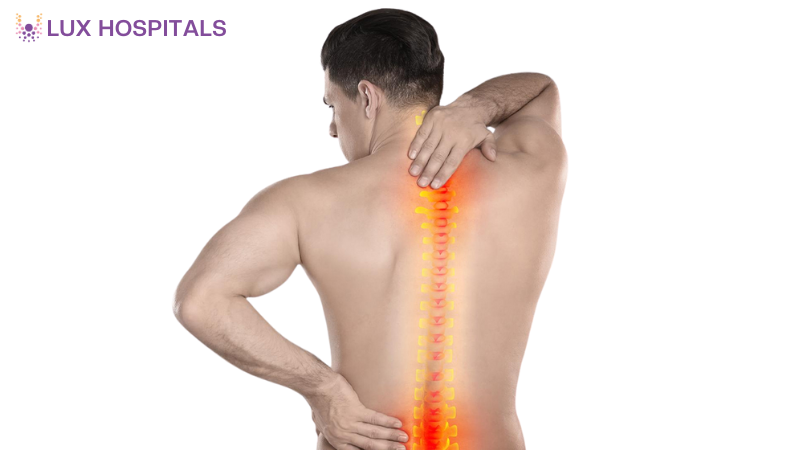
Spinal problems can quietly affect all aspects of daily life, from walking and sitting to sleeping and working. Spine Surgery is a specialised field that treats structural and nerve-related spinal conditions when non-surgical care is no longer effective. Using advanced treatments, it prevents nerve damage, decreases pain, and restores movement. While many people are apprehensive about surgical procedures, informed decisions come from clear explanations. This blog details spinal conditions, surgical procedures, benefits, and recovery in a straightforward, patient-friendly way.
What Is Spine Surgery?
Spine surgery includes surgical treatments on the spinal column designed to stabilise the spine, relieve nerve compression, or correct deformities, always with patient safety in mind. The spine’s health is essential to overall well-being, as it supports and protects the spinal cord. Surgery becomes a possible solution when conservative treatments like medicine, physical therapy, or injections have not brought the desired peace of mind or relief. Improvements in imaging, minimally invasive instruments, and surgical navigation have made spine surgery more accurate and less harmful to surrounding tissues.
Common Conditions Treated with Spine Surgery
When symptoms worsen or complications develop, spine surgery may be necessary for some medical issues. People of all ages may be affected by these disorders due to lifestyle choices, ageing, or injuries.
Major spine conditions include:
- Herniated or slipped discs causing nerve compression
- Spinal stenosis leading to narrowing of the spinal canal
- Degenerative disc disease from age-related wear
- Scoliosis and spinal deformities
- Spinal fractures due to trauma or osteoporosis
- Tumours or infections affecting spinal stability
To ascertain whether spine surgery is the safest and most efficient course of treatment, each problem is thoroughly assessed.
Types of Spine Surgery Procedures
There are different types of Spine Surgery, depending on the condition, location, and severity of the problem. Surgeons select procedures that offer maximum relief with minimal risk.
Common surgical procedures include:
- Discectomy: Removal of a damaged disc pressing on nerves
- Laminectomy: Removal of bone to relieve spinal canal pressure
- Spinal Fusion: Joining vertebrae to improve stability
- Artificial Disc Replacement: Preserving motion while replacing damaged discs
- Minimally Invasive Spine Surgery: Smaller incisions, faster healing
Modern spine surgery often uses minimally invasive methods, which reduce pain, blood loss, and hospital stay.
Benefits of Spine Surgery
The primary goal of Spine Surgery is to improve quality of life by addressing the root cause of pain or nerve dysfunction. When done for the right reasons, the benefits are long-lasting and life-changing.
Key benefits include:
- Significant pain reduction or complete relief
- Improved mobility and physical function
- Prevention of permanent nerve damage
- Better posture and spinal alignment
- Enhanced ability to return to daily activities
Patients who undergo spine surgery often experience both physical and emotional improvements as pain subsides.
Recovery and Rehabilitation After Spine Surgery
Recovery after spine surgery depends on the procedure, health, and dedication to healing. Some need rehabilitation, while others return to mild activities within weeks.
Pain management, physical therapy, posture correction, and a gradual return to activity are common steps in post-surgical care. Closely following medical advice can help speed up healing and reduce complications. Every patient’s recovery is unique, but understanding the process and setting realistic expectations makes recovery from Spine Surgery smoother and more predictable.
Who Is an Ideal Candidate for Spine Surgery?
Not everyone with back pain needs Spine Surgery. The ideal candidates are those who experience persistent pain, weakness, or numbness that does not respond to non-surgical treatments. Diagnostic imaging and neurological exams help reassure both patient and doctor that surgery is the right step. A personalised evaluation ensures that Spine Surgery is recommended only when the benefits clearly outweigh the risks, bringing reassurance to the decision-making process.
Conclusion
Chronic spine pain can lower the quality of life and limit independence. For patients who have tried all other treatments, spine surgery offers a path to lasting relief. Patients can feel assured by today’s skilled surgeons, advanced technology, and compassionate, patient-centred care. Choosing the right hospital and team, such as Lux Hospital, is vital for successful spine treatment and long-term health.
Frequently Asked Questions
Spine surgery is considered safe when performed by competent surgeons using modern technology, and patients are cared for at every step to ensure comfort and positive outcomes. Pre-operative planning and imaging improve accuracy and reduce risks.
Recovery time varies based on the patient's condition and the operation. Minimally invasive procedures often allow for faster recuperation. Physical therapy primarily focuses on regaining strength and mobility.
Many patients experience long-term or permanent pain relief after surgery. Success depends on accurate diagnosis and proper procedure selection. Lifestyle changes support lasting results after treatment.
Spinal conditions affect people of all age groups. Young adults may need surgery due to injuries or disc problems. Age alone is not a deciding factor for surgery eligibility.
Like any surgical procedure, spine surgery carries certain risks such as infection or bleeding. Advancements in surgical techniques have significantly reduced complication rates. Careful patient selection and preoperative planning help minimise potential risks.