













Hormonal Imbalance and Gynecomastia: What You Should Know
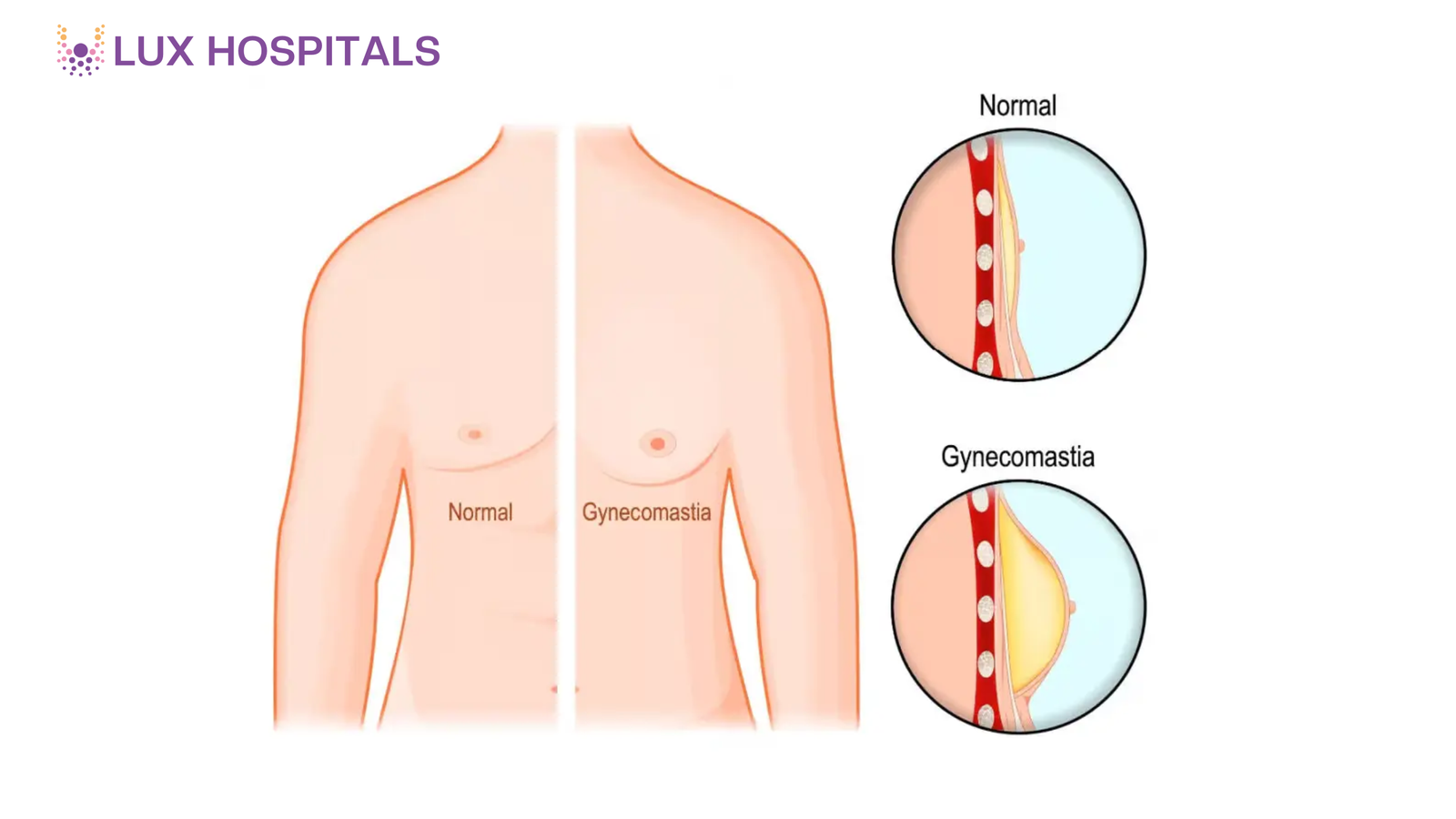
Hormonal Imbalance and Gynecomastia is a common yet often misunderstood medical condition that affects males of all ages, from newborns to older adults. Gynecomastia refers to the enlargement of male breast tissue caused primarily by an imbalance between estrogen and testosterone levels. It can lead to physical discomfort, emotional tension, and diminished self-confidence, although it is typically not harmful. To assist patients in making informed health decisions and seeking prompt care, Lux Hospital professionals place strong emphasis on education and awareness.
What Is Gynecomastia?
Gynecomastia is the benign enlargement of glandular breast tissue in males. It differs from fat accumulation in the chest area, known as pseudogynecomastia. Hormonal Imbalance and Gynecomastia are closely linked because the condition develops when estrogen levels increase or testosterone levels decrease. This hormonal shift stimulates breast tissue growth, leading to swelling, tenderness, or firmness beneath the nipple.
Understanding Hormonal Imbalance
Hormones regulate many essential functions in the body, including growth, metabolism, and sexual development. Hormonal Imbalance and Gynecomastia occur when the ratio of estrogen to testosterone is disrupted. Even small hormonal changes can trigger breast tissue growth because male breast tissue is highly sensitive to estrogen.
Hormonal imbalance can be temporary or chronic, depending on the cause. In many cases, correcting the imbalance helps reduce or completely resolve gynecomastia without surgical intervention.
Common Causes of Hormonal Imbalance and Gynecomastia
Hormonal Imbalance and Gynecomastia can be caused by several circumstances, including medical conditions and natural life stages.
1. Puberty
During puberty, hormone levels fluctuate rapidly. Temporary increases in estrogen can lead to gynecomastia in adolescent boys. In most cases, Hormonal Imbalance and Gynecomastia during puberty resolve naturally within 6 to 24 months.
2. Aging
Testosterone production gradually decreases with age. This change raises the ratio of estrogen to testosterone, increasing the risk of Hormonal Imbalance and Gynecomastia in older men.
3. Medications
Certain medications can interfere with hormone production, including:
Anti-androgens
Anabolic steroids
Some antidepressants
Heart and blood pressure medications
Long-term use of these drugs can increase the risk of developing gynecomastia.
4. Medical Conditions
Underlying health issues such as liver disease, kidney failure, thyroid disorders, and hypogonadism can disrupt hormone levels. These conditions often play a significant role in persistent Hormonal Imbalance and Gynecomastia.
Symptoms You Should Not Ignore
Hormonal Imbalance and Gynecomastia can present with a variety of symptoms, including:
Swollen or enlarged breast tissue
Tenderness or pain in the chest
Firm or rubbery tissue under the nipple
Uneven breast size
If symptoms worsen or persist for more than a year, medical evaluation is strongly recommended.
Diagnosis and Medical Evaluation
Accurate diagnosis of Hormonal Imbalance and Gynecomastia involves a combination of physical examination, medical history review, and diagnostic tests. Doctors may recommend:
Blood tests to evaluate hormone levels
Ultrasound or mammography to assess breast tissue
Tests to rule out tumors or endocrine disorders
At Lux Hospitals, advanced diagnostic protocols ensure precise identification of the underlying cause.
Treatment Options for Hormonal Imbalance and Gynecomastia
Treatment depends on the cause, severity, and duration of the condition.
Non-Surgical Treatments
Monitoring and lifestyle changes
Treating underlying medical conditions
Hormonal therapy in selected cases
Surgical Treatment
Surgery may be advised if gynecomastia does not go away on its own. Surgical correction involves removing excess glandular tissue and fat to restore a flatter chest contour. Lux Hospitals deliver outstanding cosmetic results with minimally invasive surgical procedures while adhering to stringent safety standards.
Can Hormonal Imbalance and Gynecomastia Be Prevented?
While not all cases can be prevented, risk can be reduced by:
Avoiding anabolic steroids and recreational drugs
Maintaining a healthy weight
Managing chronic medical conditions
Reviewing medications with a healthcare provider
Early intervention plays a crucial role in preventing progression.
Psychological Impact
Hormonal Imbalance and Gynecomastia can significantly affect mental health, leading to embarrassment, anxiety, and social withdrawal. Addressing both physical and emotional aspects is essential for holistic recovery.
Conclusion
Hormonal Imbalance and Gynecomastia are manageable conditions when diagnosed early and treated appropriately. Understanding its causes, symptoms, and treatment options empowers individuals to seek timely medical care. With expert evaluation, advanced diagnostics, and patient-centered treatment, recovery is achievable. Lux Hospitals remain committed to delivering trusted, high-quality care for individuals dealing with Hormonal Imbalance and Gynecomastia.
Frequently Asked Questions
Gynecomastia is mainly caused by an imbalance between estrogen and testosterone levels in the body. This imbalance allows estrogen to stimulate breast tissue growth in males. Hormonal changes during puberty, aging, or illness are common triggers.
Yes, gynecomastia can resolve naturally, especially during puberty. Hormonal Imbalance and Gynecomastia in adolescents often improve within two years. Adult cases may persist if the underlying cause is not addressed.
Gynecomastia is usually not dangerous or life-threatening. However, it may signal underlying hormonal or medical issues. Persistent symptoms should never be ignored.
Treatment depends on the cause and severity of the condition. Options include observation, medication, or surgery. Hormonal correction is effective in selected cases. Surgical treatment provides permanent results when needed.
Yes, hormonal imbalance is a leading cause of gynecomastia in adult men. A decline in testosterone or an increase in estrogen can stimulate breast tissue growth. This imbalance may result from aging, medical conditions, or certain medications.