














Can Ovarian Cysts Cause Back Pain or Bloating?
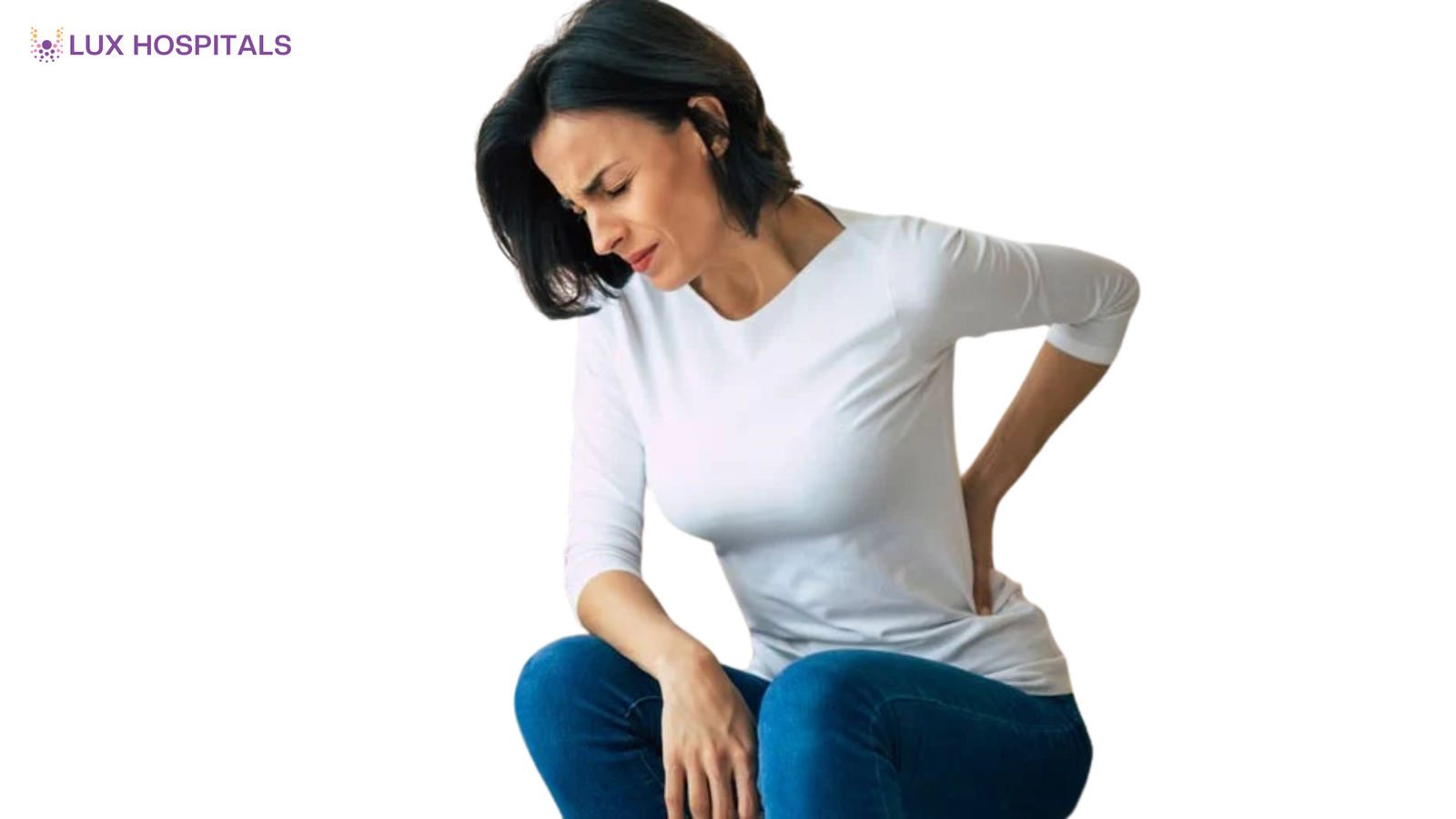
Ovarian Cysts are fluid-filled sacs that develop on or inside an ovary and are extremely common among people who menstruate. They often form as part of the natural menstrual cycle and are usually harmless. While many individuals with ovarian cysts experience no symptoms, larger or problematic cysts can lead to noticeable effects such as pain, pressure, back discomfort, and bloating. These symptoms can feel worrying and may interfere with daily life. In this guide, we explore the connection between Ovarian Cysts, back pain, and bloating, explain why these symptoms occur, and outline expert-recommended approaches to diagnosis and care.
What Are Ovarian Cysts?
Ovarian Cysts are sacs filled with fluid or semi-solid material that develop on or within the ovaries. The majority are benign, often form after ovulation, and resolve on their own without treatment. However, some cysts may enlarge, rupture, or affect nearby tissues, leading to symptoms that require medical attention.
There are several types of Ovarian Cysts, including:
Functional cysts (most common and usually harmless)
Dermoid cysts
Endometriomas
Cystadenomas
Proper evaluation helps determine the types of Ovarian cysts and whether treatment is necessary.
Can Ovarian Cysts Cause Back Pain?
Yes, Ovarian Cysts can cause back pain, especially if the cyst grows large, ruptures, or leads to ovarian torsion (twisting of the ovary). The pain is often described as a dull, aching sensation in the lower back rather than sharp spinal pain.
When a cyst becomes large, it can press against surrounding nerves and tissues. This pressure may cause discomfort that radiates from the pelvis to the lower back and sometimes even the thighs. If a cyst ruptures or becomes inflamed, the pain may become more intense and sudden.
Why Back Pain Can Happen?
Pressure on pelvic nerves and tissues due to cyst growth
Cyst rupture causing sharp pelvic and back pain
Ovarian torsion, a medical emergency that leads to severe pain
If back pain is severe, persistent, or accompanied by fever, vomiting, or dizziness, urgent medical care is necessary.
Can Ovarian Cysts Cause Bloating?
Bloating or a feeling of fullness in the lower abdomen is one of the most common symptoms of Ovarian Cysts. A growing cyst may press against the bladder or intestines, leading to abdominal pressure and swelling.
In some cases, bloating can result from irritation or fluid leakage if a cyst partially or fully ruptures. This can make the abdomen feel distended, tight, or heavy, even without dietary changes.
Common Bloating Experiences
Persistent feeling of fullness
Swelling unrelated to food intake
Gas, nausea, or changes in bowel habits
If bloating continues or worsens over time, medical evaluation is recommended to rule out complications or other underlying conditions.
How Are Ovarian Cysts Diagnosed?
Diagnosis typically begins with a pelvic examination. Doctors may recommend imaging tests such as ultrasound to visualize the cyst and assess its size and structure. In some cases, blood tests or additional imaging may be required to determine potential risks.
Early diagnosis allows for better monitoring and timely treatment if needed.
Treatment Options for Ovarian Cysts
Treatment depends on the size, type, and symptoms associated with the cyst.
Regular Monitoring
Many small Ovarian Cysts resolve naturally within a few menstrual cycles. Doctors may suggest follow-up scans to track changes.
Medication
Pain management and hormonal therapy, such as birth control pills, may help regulate cycles and reduce the formation of new cysts.
Surgery
If a cyst is large, persistent, painful, or complicated, surgical removal may be necessary. Minimally invasive laparoscopy is commonly used for faster recovery and minimal scarring.
Conclusion
Ovarian Cysts can indeed be linked to lower back pain and bloating, especially when they grow larger or exert pressure on nearby structures. Although most cysts are harmless and resolve naturally, persistent or severe symptoms should never be ignored.
With timely diagnosis, expert evaluation, and personalized treatment plans, Ovarian Cysts can be effectively managed. At Lux Hospitals, experienced specialists provide compassionate and advanced care to ensure comfort, safety, and long-term well-being.
Frequently Asked Questions
Yes, since they push on nearby tissues and nerves, ovarian cysts—especially larger or symptomatic ones—may induce lower back pain. They can also cause bloating due to internal irritation or pressure on the belly.
Common symptoms include pelvic pain, a dull ache in the lower back, bloating, pressure in the abdomen, irregular periods, and digestive changes, though many ovarian cysts are asymptomatic.
Seek immediate attention if you have signs of a ruptured cyst, fever, vomiting, dizziness, severe or persistent pain, or sudden, extreme symptoms. Regular pelvic exams help track symptoms and direct treatment.
Many functional ovarian cysts resolve naturally over time without treatment, but larger or persistent cysts may require medical intervention. Some individuals also experience pain after workouts rather than during them, depending on cyst size and sensitivity.
Yes, ovarian cysts can cause discomfort or pain during physical activity, especially exercises that involve bending, twisting, or core engagement, as movement may increase pressure on the ovaries.


