Dr. Samhitha Reddy
Consultant Proctologist & Laparoscopic Surgeon
MBBS, MS, FMAS, FISCP, DMAS
- 8 Yrs
- ASCRS Member
General and Laparoscopic Surgery
By Dr Abhishek Katha · MBBS, MS, FMAS 22 August 2024 5 min read Updated 4 December 2025
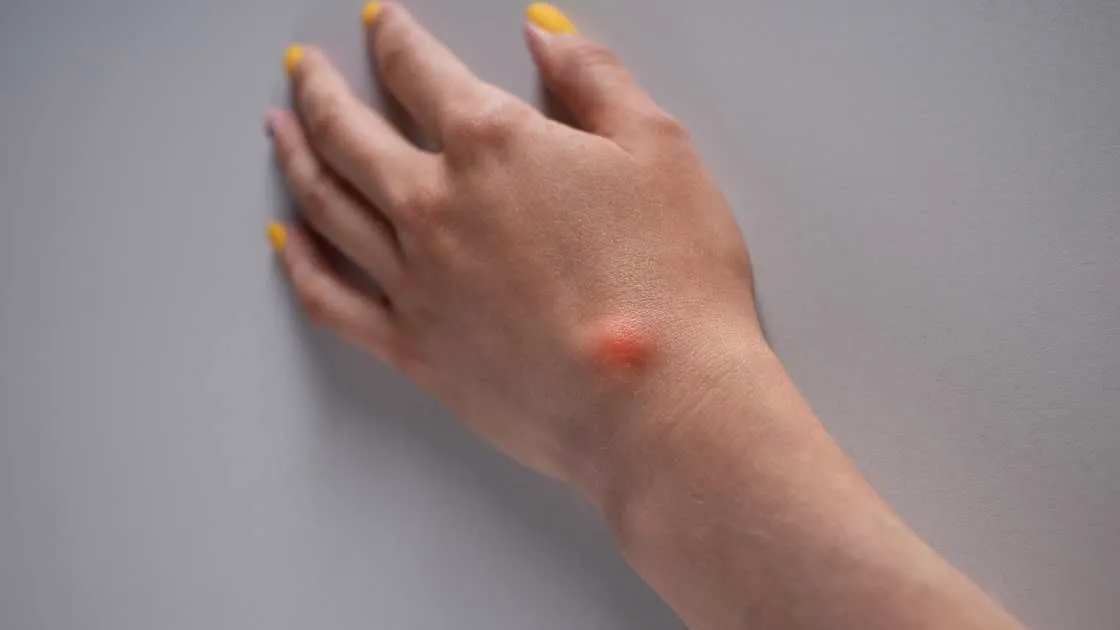
Cysts are fluid-filled sacs that can develop in various parts of the body, and understanding the different types is crucial for effective diagnosis and management. Whether they are benign or indicative of a more serious condition, recognizing the characteristics and treatment options of cysts can help you maintain better health and address issues promptly. In this comprehensive guide, we’ll explore eight significant types of cysts, their causes, symptoms, and how they are typically treated.
Understanding the different types of Cysts:
Cysts are closed sacs filled with fluid, semi-fluid, or even solid material. They can form in almost any tissue or organ in the body, including the skin, organs, and bones. While many cysts are harmless and may not cause symptoms, others can lead to discomfort, pain, or complications. Understanding the various types of cysts helps in identifying and managing these conditions effectively.
Epidermoid cysts, also known as sebaceous cysts, are one of the most common types of cysts found on the skin. These benign lumps occur when a hair follicle becomes clogged with keratin, a protein produced by skin cells. They are typically round, smooth, and filled with a thick, yellowish substance. Epidermoid cysts are commonly found on the face, neck, or torso and are usually asymptomatic. However, they can become inflamed or infected, causing discomfort and necessitating surgical removal if needed.
Dermoid cysts are congenital cysts that can contain a variety of tissues, such as hair, skin, and sometimes even teeth or glands. These cysts develop when cells that should form skin and other tissues become trapped in deeper layers during fetal development. Dermoid cysts can appear on the ovaries, skin, or other areas such as the brain. While generally benign, they may require surgical removal if they cause symptoms or complications.
Polycystic Ovary Syndrome is a common hormonal disorder where multiple small cysts form on the ovaries. PCOS is characterized by irregular menstrual cycles, elevated levels of androgens (male hormones), and symptoms like acne and excessive hair growth. The presence of these cysts is a hallmark of the condition, though they are often not problematic on their own. Management typically includes hormonal therapies, lifestyle changes, and treatment of associated symptoms to improve quality of life and reproductive health.
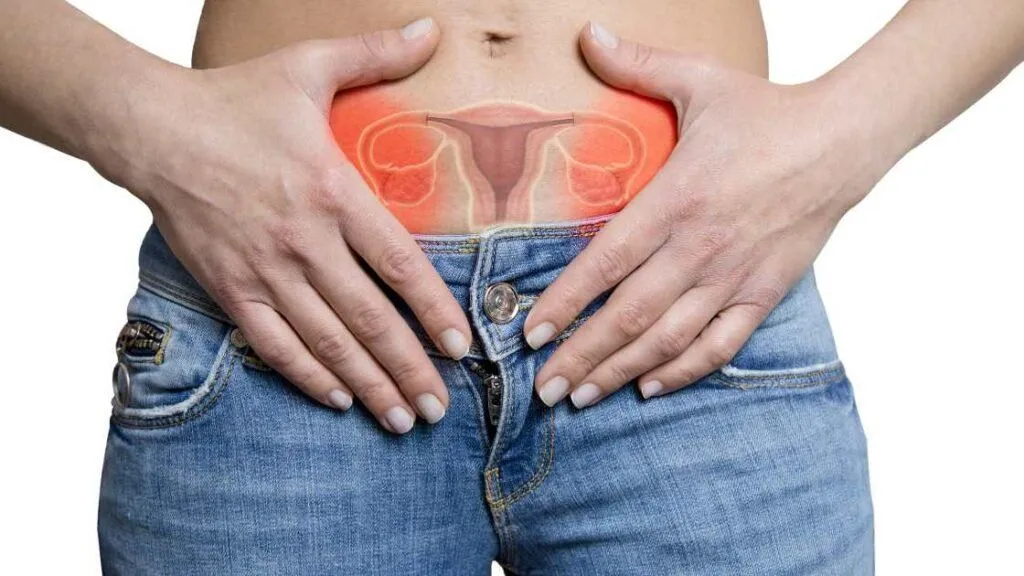
Renal cysts are sacs filled with fluid that develop on the kidneys. They are commonly classified into simple and complex types. Simple renal cysts are smooth-walled and generally harmless, often discovered incidentally during imaging tests. Complex renal cysts, on the other hand, may have irregular shapes or internal structures and might require further investigation to rule out malignancy. Polycystic Kidney Disease (PKD) is a more serious condition characterized by numerous cysts forming in the kidneys, potentially leading to kidney failure over time.
Cysts in the breast are fluid-filled sacs that can vary in size and can be either simple or complex. Simple breast cysts are round, smooth, and filled with fluid, while complex cysts may contain solid components or have irregular shapes. Simple cysts are often tender and fluctuate with the menstrual cycle, but they are usually benign. Complex breast cysts may require further evaluation to rule out cancer. Regular breast examinations and imaging tests like ultrasounds or mammograms are essential for monitoring these cysts.
Ovarian cysts are fluid-filled sacs that form on or inside the ovaries. The most common types of cysts in the ovaries include functional cysts (such as follicular cysts and corpus luteum cysts), dermoid cysts, and endometriomas. Functional cysts are usually related to the menstrual cycle and typically resolve on their own. Dermoid cysts contain various tissue types, while endometriomas are associated with endometriosis and can cause pain and infertility. Treatment depends on the cyst’s type, size, and associated symptoms.
Pilonidal cysts are located near the tailbone and can become infected, forming an abscess. They often contain hair and skin debris that becomes trapped in the sac, leading to inflammation and infection. Pilonidal cysts can cause pain, swelling, and discomfort, particularly when sitting or moving. Treatment may involve surgical drainage or removal, and proper hygiene is crucial to prevent recurrence.
Baker’s cysts, also known as popliteal cysts, form behind the knee and are caused by fluid accumulation in the knee joint. They are often associated with conditions like arthritis or meniscus tears. Symptoms can include swelling, pain, and stiffness behind the knee. Treatment usually focuses on addressing the underlying joint issue and relieving symptoms through rest, compression, and, in some cases, surgical intervention.
Diagnosing cysts generally involves a combination of physical examination, medical history, and imaging studies:
Treatment for cysts depends on their type, size, and symptoms:
Cysts are fluid-filled sacs that can appear in various parts of the body, each type with its own characteristics and treatment needs. Understanding the different types of cysts, from epidermoid and dermoid cysts to complex conditions like polycystic kidney disease and PCOS, is crucial for effective management. Early diagnosis and appropriate treatment can help alleviate symptoms and prevent complications, ensuring better health outcomes. If you suspect you have a cyst or are experiencing symptoms, seeking medical advice is essential for a proper diagnosis and treatment plan tailored to your condition.
If your symptoms are severe or don’t improve, don’t wait: schedule an appointment at Lux Hospital for expert care and treatment. We focus on your comfort and well-being first.
No, most cysts are benign (non-cancerous). However, some complex cysts may need further evaluation to rule out malignancy. Imaging tests and biopsies help confirm the diagnosis.
A cyst may be concerning if it grows quickly, becomes painful, looks irregular, or causes other symptoms like fever or unexplained weight loss. In such cases, medical evaluation is necessary
Yes, many cysts, such as functional ovarian cysts or small sebaceous cysts, may resolve naturally without treatment. Regular monitoring ensures they don’t lead to complications.
Treatment depends on the type and severity of the cyst. Options include observation, medication, drainage, or surgical removal if the cyst is large, painful, infected, or potentially cancerous.
You should consult a doctor if the cyst is painful, infected, growing in size, affecting movement, or causing other symptoms. Early diagnosis helps in effective management.
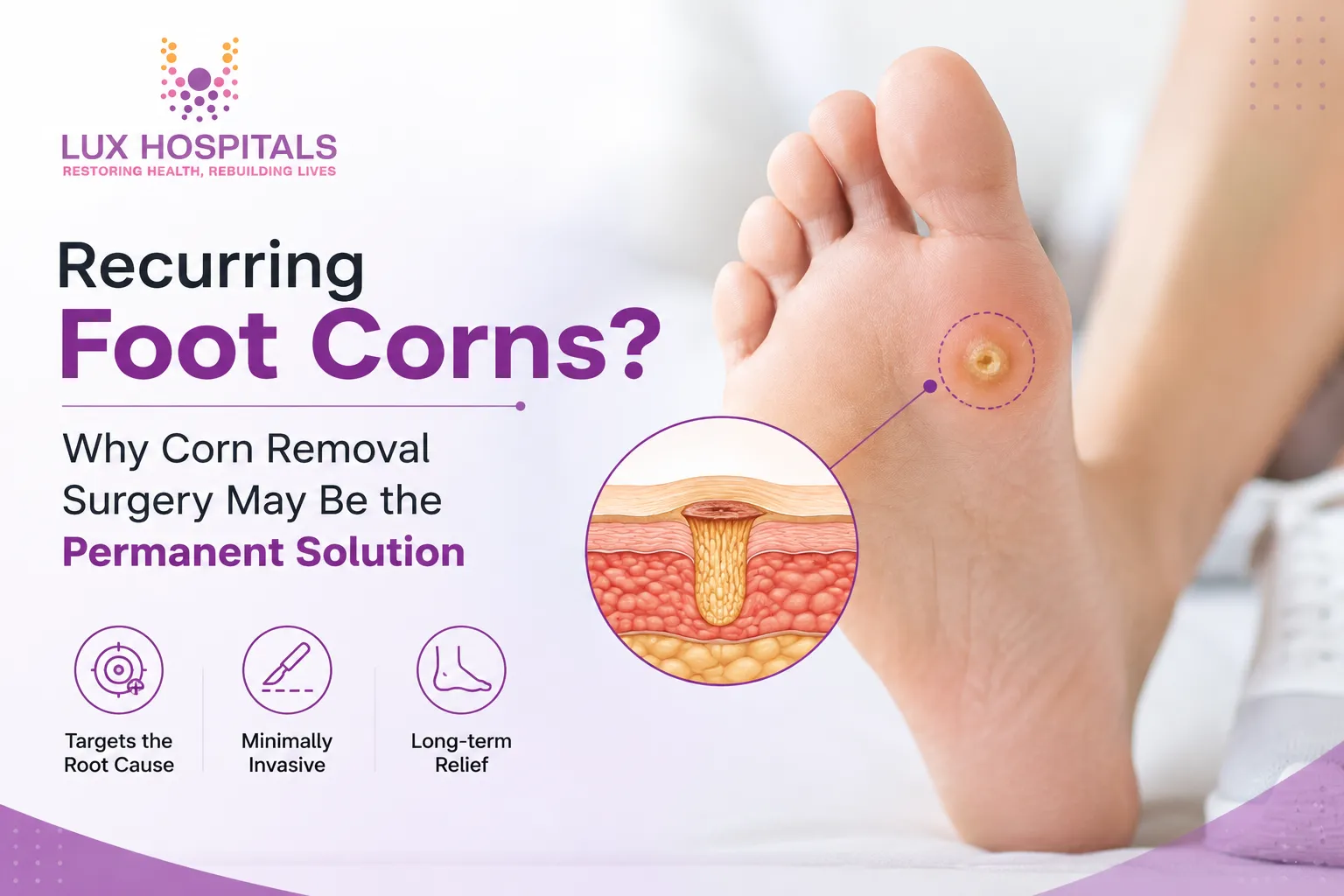
There is more to recurrent foot corns than merely a cosmetic issue. They may result in ongoing pain, trouble walking, and recurrent discomfort that interferes with day-to-day activities. Home treatments and over-the-counter corn pads may offer short-term comfort, but they frequently don’t address the root cause.
29 July 2026
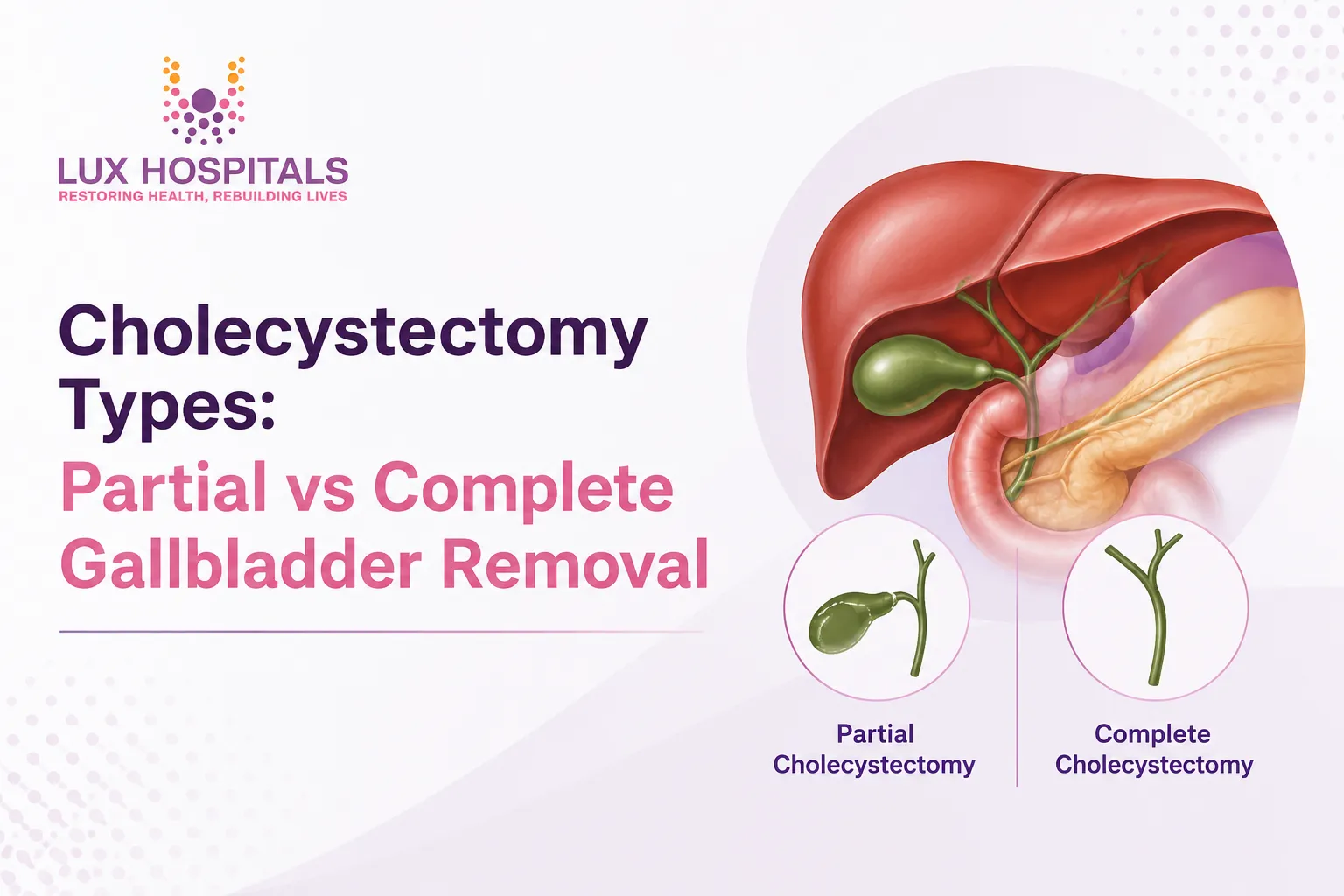
Gallbladder disease is a prevalent digestive problem that affects millions of people worldwide. To prevent serious consequences, surgery is often necessary to treat conditions such as gallstones, gallbladder inflammation, and infections. Partial removal may be advised in certain circumstances where removing the entire gallbladder could be dangerous, even though total removal is the typical technique.
24 July 2026
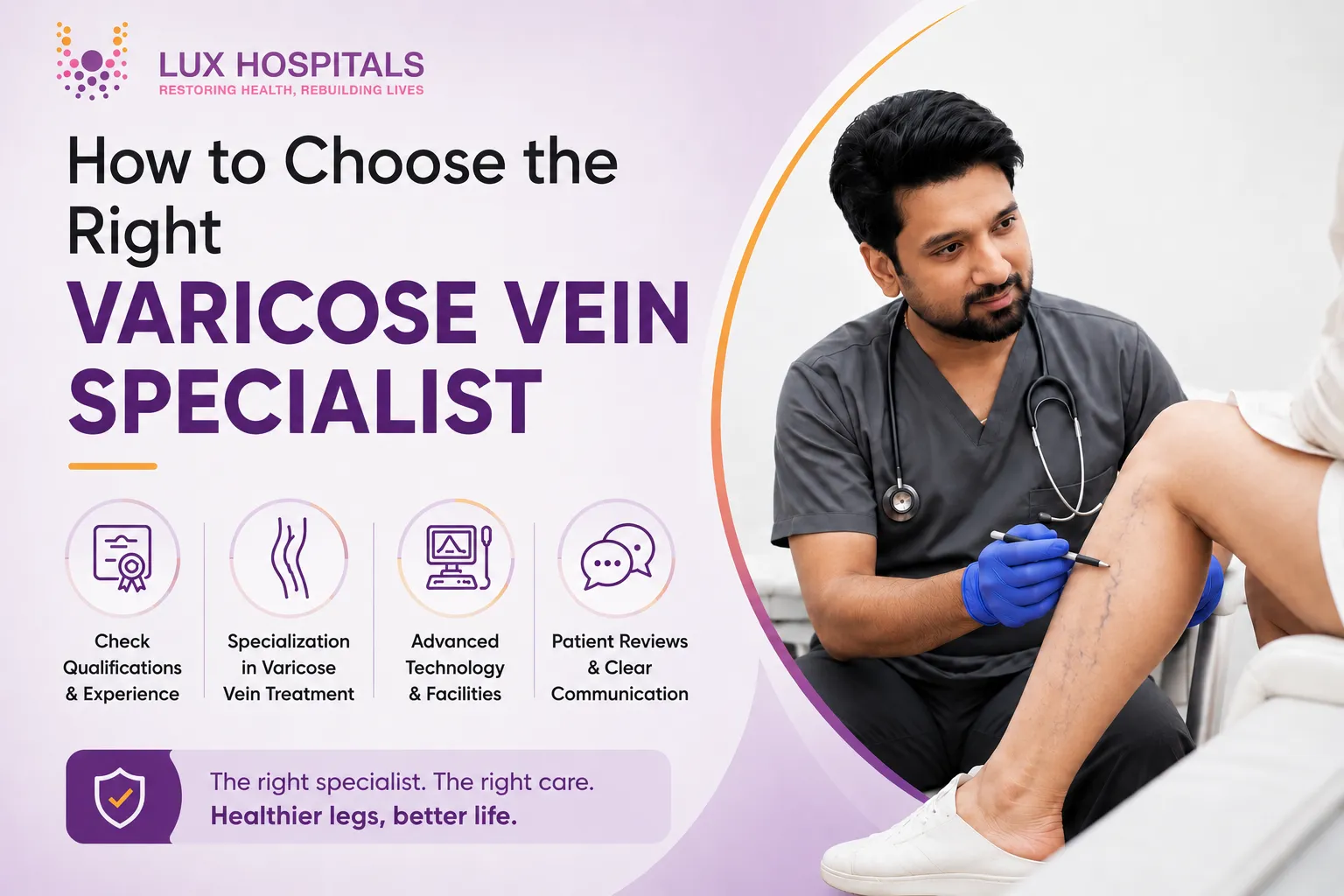
There is more to varicose veins than just appearance. If neglected, they might result in skin changes, pain, oedema, leg heaviness, and even problems. One of the most crucial choices you can make for successful treatment and long-term comfort is selecting the correct varicose vein specialist.
20 July 2026
Send your reports across and a senior surgeon will review them, explain the options and tell you honestly whether surgery is the right call.
Plot No.116, Lumbini Avenue, HITEC CITY, Near IKEA, Hyderabad – 500032