Dr. Samhitha Reddy
Consultant Proctologist & Laparoscopic Surgeon
MBBS, MS, FMAS, FISCP, DMAS
- 8 Yrs
- ASCRS Member
By Dr Harshita Kakarla · MBBS, MS, FMAS 28 January 2026 4 min read

Ovarian Cysts After Menopause often raise serious concern because the ovaries are expected to become inactive after menopause. Many women feel anxious when an ovarian cyst is discovered during a routine scan, fearing it could be cancerous. While this concern is understandable, not all ovarian cysts after menopause are dangerous.
This blog explains Ovarian Cysts After Menopause in detail, helping you understand their causes, symptoms, cancer risk, diagnosis, and treatment options. Early awareness and expert evaluation play a key role in protecting long-term health.
Ovarian cysts are fluid-filled or solid sacs that form on or inside the ovaries. During reproductive years, cysts are common and often harmless. However, Ovarian Cysts After Menopause are less common and require closer medical evaluation.
Key points to understand:
Ovarian tissue can still form cysts even after menopause, when ovulation ceases. After menopause, benign growths, epithelial alterations, or hormonal changes may cause ovarian cysts.
Typical reasons consist of:
Understanding the cause helps doctors decide the best course of action.
Many Ovarian Cysts After Menopause cause no symptoms and are discovered incidentally. However, some cysts may produce noticeable signs that should not be ignored.
Possible symptoms include:
Any new or persistent pelvic symptoms after menopause should be medically evaluated.
The most common question women ask is whether Ovarian Cysts After Menopause are cancerous. The reassuring truth is that most postmenopausal ovarian cysts are benign. However, the risk of malignancy is higher than in premenopausal women.
Factors that raise suspicion include:
Early detection significantly improves outcomes if cancer is present.
Different types of cysts may appear after menopause, and not all carry the same level of risk. Proper classification helps guide treatment decisions.
Common types include:
Simple cysts are usually monitored, while complex cysts require further evaluation.
Imaging tests and occasionally blood tests are used to diagnose ovarian cysts after menopause. To assess a patient’s risk of cancer, doctors consider their size, shape, and internal structure.
Diagnostic methods include:
Accurate diagnosis ensures timely and appropriate treatment.
Surgery is not necessary for every ovarian cyst that develops after menopause. Regular scans can safely monitor a large number of small, uncomplicated cysts. Surgery is advised in certain circumstances, though.
Surgery might be recommended if
Surgical decisions are always individualized based on patient health and risk factors.
Treatment depends on the cyst type, size, symptoms, and cancer risk. A personalized approach ensures safety and peace of mind.
Treatment options include:
Early management prevents complications and improves quality of life.
Ovarian Cysts After Menopause can be alarming, but they are not automatically cancerous. Most cysts detected postmenopause are benign and can be managed with careful monitoring. The key lies in early diagnosis, regular follow-ups, and expert medical guidance. At Lux Hospital, women receive comprehensive evaluation using advanced diagnostic tools and personalized treatment plans. Lux Hospital focuses on patient education, early detection, and compassionate care to ensure the best possible outcomes for women facing concerns about Ovarian Cysts After Menopause. With the right medical support, women can approach postmenopausal health with confidence and clarity.
No, most Ovarian Cysts After Menopause are benign and harmless. The risk of cancer is higher compared to younger women. Imaging and blood tests help assess the risk of malignancy. Early evaluation ensures timely and accurate diagnosis.
Cysts larger than 5 cm may need close monitoring. Concern increases when cysts grow rapidly. Solid or complex cysts require additional assessment. Cancer risk is not solely determined by size.
Simple, little cysts may go away on their own. Most don't cause damage and stay stable. Frequent ultrasounds aid in monitoring changes. Medical attention may be required for persistent cysts.
Yes, some ovarian cysts after menopause can lead to complications. Large cysts may twist or rupture, causing sudden pain. Infection is rare but possible in untreated cases. Regular monitoring helps prevent serious outcomes.
Monitoring frequency depends on cyst size and type. Small, simple cysts may need scans every six months. Complex cysts require closer and more frequent follow-ups. Your doctor will decide based on individual risk factors.
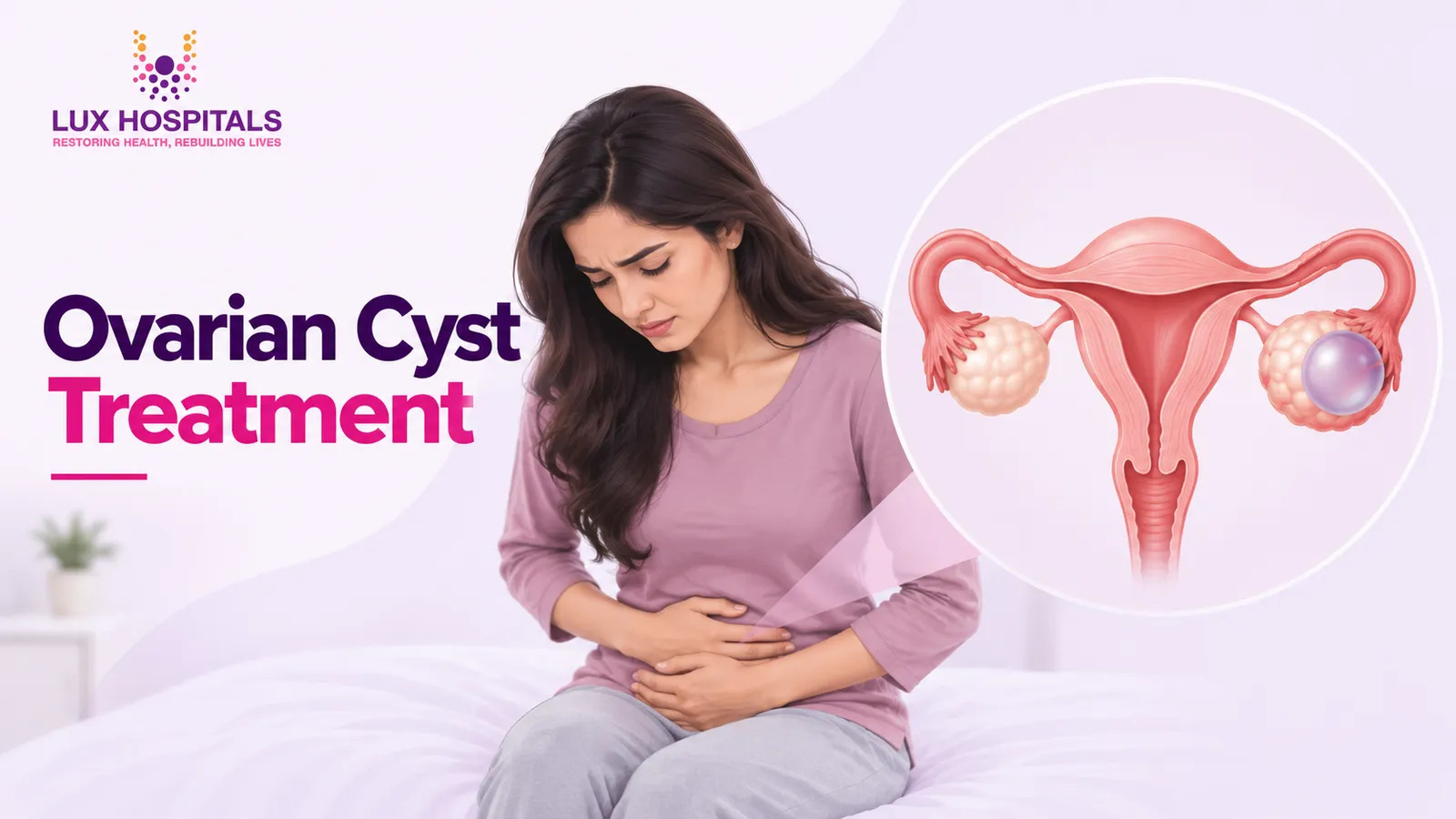
An ovarian cyst that remains on repeat scans does not automatically mean that surgery is needed. Many ovarian cysts are benign and may disappear without treatment. Your gynaecologist will consider the cyst’s size, appearance, symptoms, age, menstrual status, and whether it changes over time when deciding whether to monitor or treat.
14 October 2026
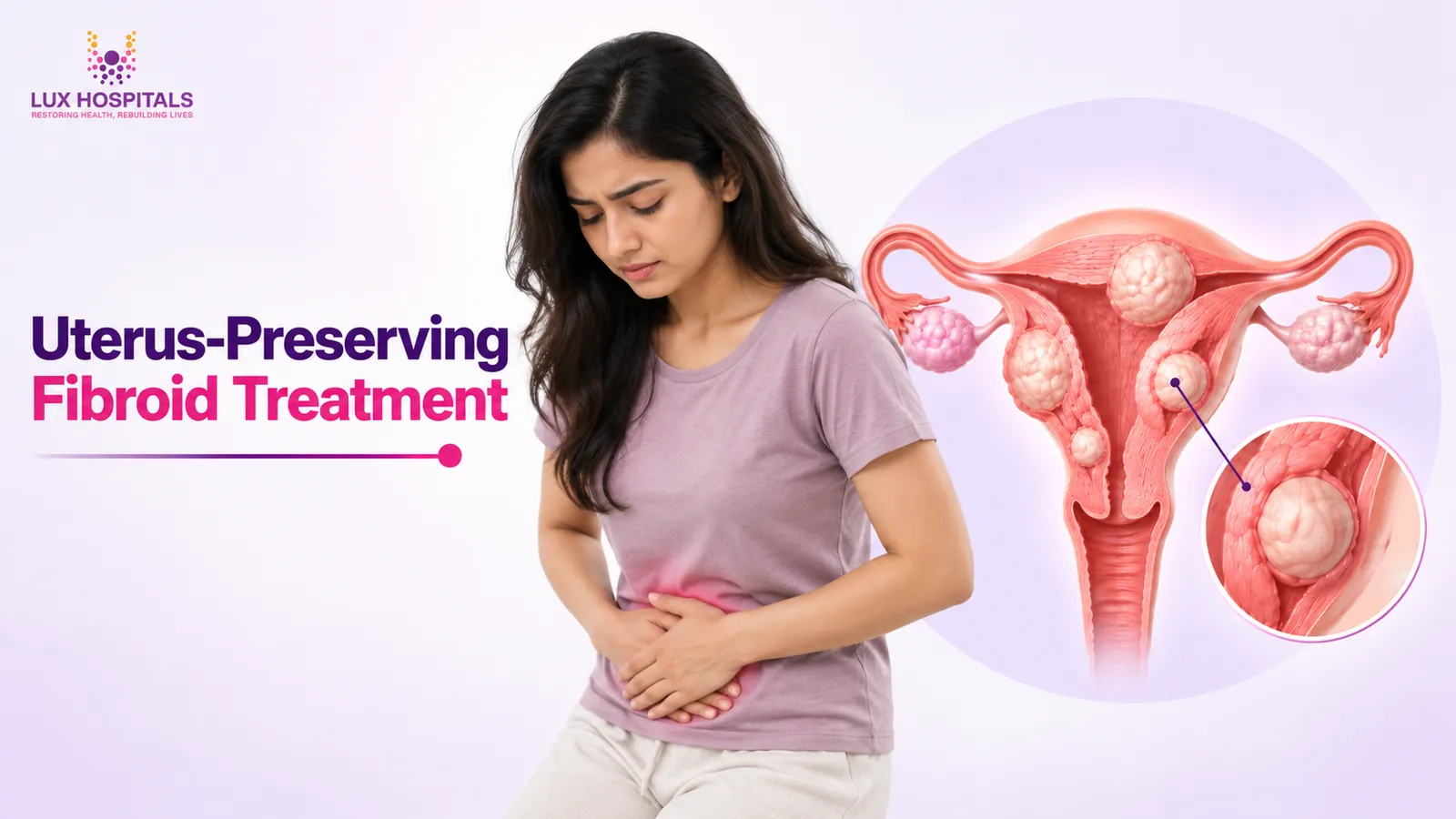
Uterus-preserving fibroid treatment may be considered when a woman wants to manage fibroids while keeping the uterus for future pregnancy. The right option depends on the fibroid’s size, number, location, symptoms, effect on the uterine cavity, age, fertility plans and overall health. Myomectomy is one uterus-preserving option.
12 October 2026

Heavy periods might influence your energy, work, sleep, emotions, and daily routine. While some women may experience less bleeding after taking medication, symptoms may occasionally persist or recur. Rather than continuing to self-medicate, persistent severe bleeding should be properly evaluated by a gynaecologist.
6 October 2026
Send your reports across and a senior surgeon will review them, explain the options and tell you honestly whether surgery is the right call.
Plot No.116, Lumbini Avenue, HITEC CITY, Near IKEA, Hyderabad – 500032