













How Hormones Influence the Growth of Uterine Fibroids?
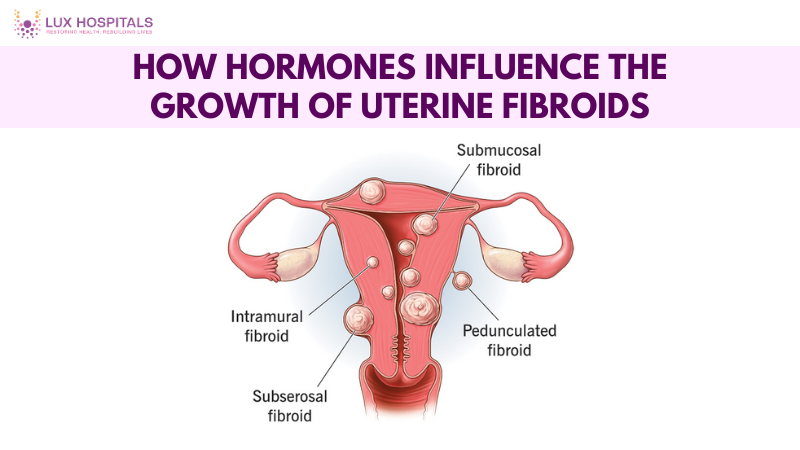
Non-cancerous tumors known as uterine fibroids develop in or around the uterus, affecting millions of women during their reproductive years. They can range in size from tiny nodules to large masses that distort the uterus. Although the precise etiology of uterine fibroids is still being studied, there is compelling evidence that hormones are a major factor in their development. Women who are aware of this link will be better able to control their symptoms, avoid recurrence, and make wise treatment decisions.
The Role of Estrogen in Fibroid Growth
Estrogen is the primary hormone linked to the growth of uterine fibroids.
- Increased cell division: Estrogen stimulates the growth of fibroid cells, causing them to multiply and enlarge over time.
- Estrogen receptors: Fibroid tissues often have a higher density of estrogen receptors than normal uterine muscle, making them more sensitive.
- Life stage impact: Estrogen levels are higher during reproductive years, which is why fibroids are more common during this phase.
This explains why fibroids often proliferate during pregnancy when estrogen peaks and tend to shrink after menopause when estrogen levels drop.
How Progesterone Affects Growth of Uterine Fibroids?
Progesterone, another key reproductive hormone, also contributes to the growth of uterine fibroids.
- Promotes fibroid survival: Progesterone reduces cell death (apoptosis) in fibroid tissues, allowing them to persist.
- Increases blood supply: It stimulates the growth of blood vessels that supply fibroids, thereby further encouraging their enlargement.
- Supports fibrous tissue: Progesterone increases extracellular matrix production, which makes fibroids denser and more rigid.
Instead of balancing estrogen’s effects, high progesterone levels can fuel fibroid growth when combined with estrogen.
Hormonal Fluctuations Across Life Stages
Hormones influence the growth of uterine fibroids differently across a woman’s life:
- During reproductive years: Monthly cycles bring about repeated hormonal changes that stimulate the growth of fibroid tissues.
- During pregnancy: Both estrogen and progesterone, often causing fibroids to grow more quickly.
- During perimenopause: Hormone fluctuations can cause fibroids to enlarge before stabilising.
- After menopause: The drop in hormone levels usually shrinks fibroids, but they may remain in women with higher body fat (since fat cells produce estrogen).
This shows why timing in life strongly affects fibroid growth patterns.
Why Fibroids Keep Coming Back?
One of the biggest challenges is the repeated growth of uterine fibroids after treatment.
- Residual cells: Small fibroid cells left behind after surgery can regrow.
- Hormonal imbalance: If high estrogen and progesterone levels remain, new fibroids can develop.
- Genetic predisposition: Some women have a family history that increases the likelihood of recurrence.
- Incomplete treatment: Non-surgical treatments may temporarily shrink fibroids, but do not eliminate them.
This is why recurrence rates can be high and why long-term monitoring is essential.
The Connection Between Obesity and Hormonal Influence
Weight plays a significant role in the growth of uterine fibroids.
- Extra estrogen production: Fat cells produce estrogen, creating a hormonal environment that favours fibroid growth.
- Higher recurrence risk: Overweight women are more likely to experience fibroid regrowth after treatment.
- Preventive measure: Maintaining a healthy weight through a balanced diet and regular exercise can help reduce the risk of hormone imbalance and fibroids.
Obesity is not the sole cause, but it makes existing fibroids worse and increases the chances.
Genetic and Environmental Factors
Other factors, besides hormones, also have a role in the development of uterine fibroids:
- Genetic factors: Certain gene mutations make fibroids more susceptible to hormonal fluctuations.
- Family history: Women with close relatives who had fibroids are more likely to develop them.
- Environmental estrogen exposure: Chemicals in plastics, processed foods, and cosmetics mimic estrogen and can encourage fibroid growth.
This means prevention also involves reducing exposure to harmful chemicals and making healthy lifestyle choices.
Why Monitoring Hormones Matters?
Regular monitoring helps track the growth of uterine fibroids over time.
- Hormone level checks: These can help predict whether fibroids are likely to recur or enlarge again.
- Ultrasound imaging: Helps monitor changes in fibroid size and detect new ones early.
- Personalised treatment: Tracking hormones allows doctors to recommend the most effective therapy for each stage of life.
Without monitoring, fibroids may grow silently and cause complications like anaemia or fertility issues.
Lifestyle Changes for Hormonal Balance
Lifestyle changes can help reduce the risk of uterine fibroids growing.
- A balanced diet includes leafy greens, fruits, Lean proteins, and entire grains, which should be consumed in moderation, as should processed foods.
- Frequent exercise lowers estrogen levels and helps control weight.
- Chronic stress affects hormone balance, and practicing yoga and meditation can help restore it.
- Limiting alcohol and caffeine can help regulate estrogen metabolism and reduce fibroid symptoms.
Small lifestyle improvements can support medical treatments and reduce recurrence risk.
When to Seek Medical Advice?
While the growth of uterine fibroids is usually harmless, medical help is necessary if symptoms interfere with daily life.
- Heavy or prolonged menstrual bleeding can cause anaemia.
- Severe pelvic pain or pressure affecting comfort and mobility.
- Bladder or bowel problems due to fibroid pressure.
- Difficulty conceiving or repeated pregnancy complications.
Early detection and care enhance life quality and avoid complications.
Conclusion
The growth of uterine fibroids is heavily influenced by hormonal changes, especially involving estrogen and progesterone. While these tumors are non-cancerous, their recurrence can disrupt daily life and often requires ongoing management. At Lux Hospitals, our expert gynecology team provides advanced treatments and personalized care to help women manage fibroid symptoms effectively. By combining medical treatments with healthy lifestyle choices, women can reduce recurrence, manage symptoms, and improve their long-term reproductive health.
Frequently Asked Questions
Yes, hormones—especially estrogen and progesterone—are the primary drivers of the growth of uterine fibroids. These hormones stimulate the growth of fibroid tissue, particularly during the reproductive years. That is why fibroids often shrink after menopause, when hormone levels fall.
The growth of uterine fibroids can recur because the hormonal imbalance remains even after surgery. Estrogen and progesterone continue to stimulate the development of new fibroid cells in the uterus. This makes recurrence common unless hormonal levels are addressed.
When hormone synthesis declines following menopause, many fibroids shrink. Not all fibroids, though, go away; some can stay the same size or even slightly enlarge. Body weight, hormone levels, and general health all play a role in this.
Yes, maintaining a healthy lifestyle may reduce the growth of uterine fibroids. Exercise helps lower body fat, which in turn decreases estrogen production, while a balanced diet supports hormonal stability. Although lifestyle changes may not eliminate fibroids, they can reduce risks and slow recurrence.
Uterine fibroids can be decreased or their growth delayed by medications that alter hormones. Among the alternatives are GnRH agonists, birth control, and progesterone blockers. These treatments might need to be combined with surgery to manage symptoms for long-term effects.