











Common Causes of ACL Tears in Athletes and Active Adults
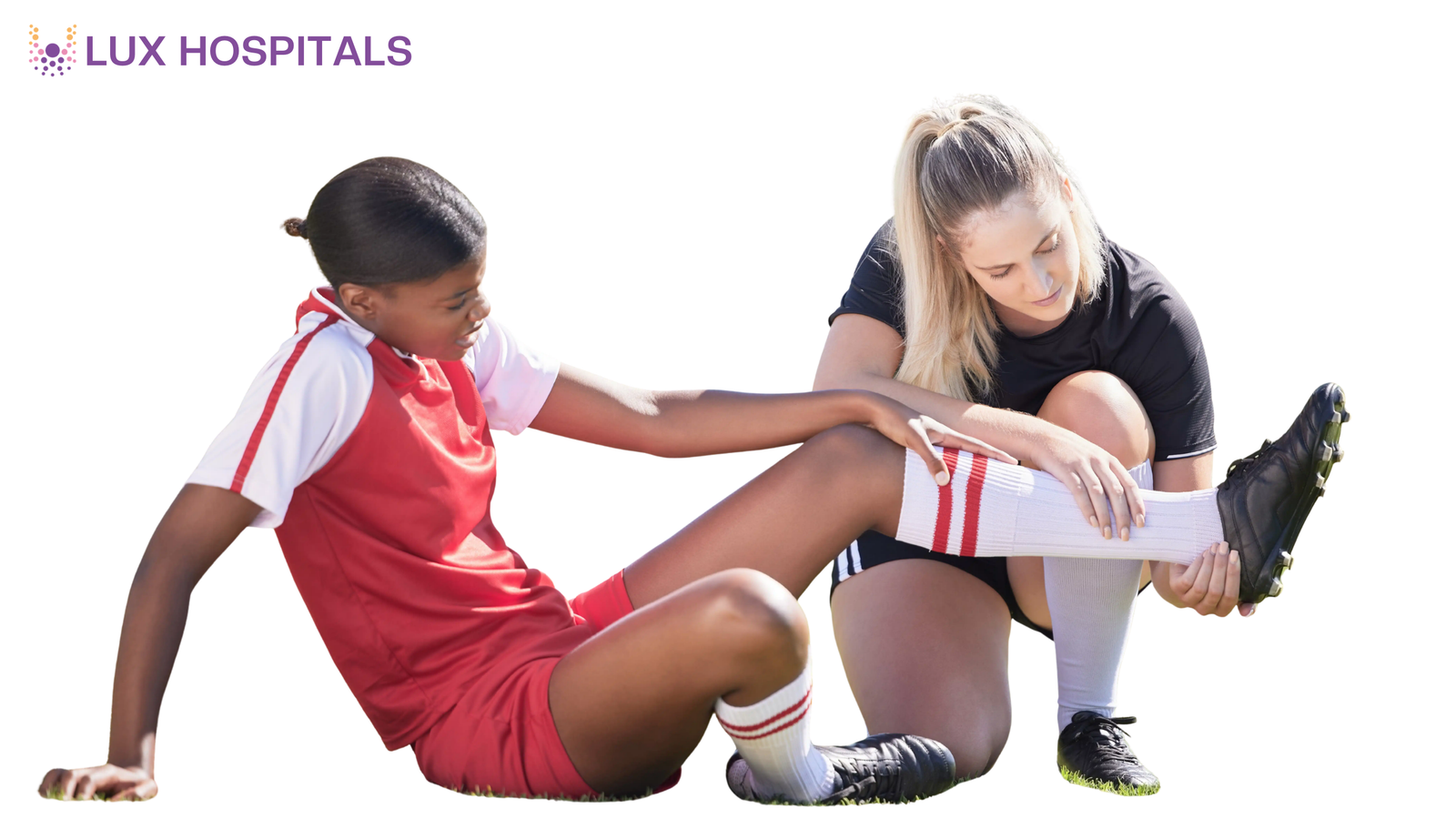
In the world of sports and fitness, ACL injuries are among the most dreaded knee injuries. Understanding the causes of ACL tears helps you reduce risk and protect long-term knee health, whether you are a professional athlete, a weekend runner, or someone who enjoys staying active. If an ACL tear is not properly treated, it can keep athletes sidelined for months and limit mobility. This guide explores the most common causes, risk factors, prevention strategies, and explains why early diagnosis and treatment are crucial for optimal recovery.
Common Causes of ACL Tears in Athletes and Active Adults
- Sudden Direction Changes and Pivoting
Rapid pivoting on a planted foot places extreme rotational stress on the knee, making the ACL prone to tears. - Incorrect Landing After a Jump
Landing awkwardly, especially when the knee collapses inward, can overload the ACL in milliseconds. - Abrupt Halts or Slowing Down
Stopping suddenly while sprinting transfers force to the ACL if muscles fail to absorb the load efficiently. - Direct Contact or Collision
While many ACL injuries are non-contact, direct blows during tackles or collisions remain a significant cause, particularly in contact sports. - Weakness and Muscle Imbalance
Weak hamstrings, glutes, or core muscles reduce knee stability. Poor muscle coordination is a major contributing factor to ACL tears.
Biomechanical and Anatomical Risk Factors
Certain physical characteristics increase susceptibility:
- Poor knee alignment
- Flat feet or altered gait
- Reduced hip stability
- Limited ankle mobility
These subtle changes in movement patterns increase stress on the ACL and contribute to injury over time.
Gender Differences and ACL Tear Risk
Research shows that women are more likely than men to sustain an ACL injury in comparable sports. Causes in female athletes include differences in neuromuscular control, pelvic structure, and hormonal factors. Awareness and targeted training can significantly reduce this risk.
Training Errors That Increase ACL Injury Risk
Overtraining, inadequate warm-ups, and fatigue are common yet preventable causes of ACL tears. Poor footwear and uneven surfaces further amplify injury risk. Structured training, proper recovery, and safe environments help protect knee health.
Signs and Symptoms After an ACL Tear
While this guide focuses on causes, recognising symptoms is equally important:
- Sudden knee pain
- Audible popping sound
- Swelling within hours
- Knee instability or “giving way”
Early evaluation improves outcomes and reduces secondary damage.
Preventing the Causes of ACL Tears
Prevention strategies include:
- Neuromuscular training
- Strengthening hamstrings and glutes
- Improving landing and cutting techniques
- Wearing sport-appropriate footwear
Proactive measures can significantly reduce ACL injury rates.
Treatment Options After an ACL Tear
Treatment depends on activity level:
- Physical therapy for partial tears
- Surgical reconstruction for active individuals
- Structured rehabilitation programs
Modern surgical techniques and rehab protocols allow many athletes to return to sport safely.
Conclusion
Understanding the causes of ACL tears empowers athletes and active adults to protect their knees and maintain an active lifestyle. Many ACL injuries are preventable with proper training, awareness, and early intervention. At Lux Hospital, orthopaedic specialists focus on accurate diagnosis, advanced treatment, and personalised rehabilitation plans. With expert care and preventive guidance, patients can safely return to activity and maintain healthy knees for years to come.
Frequently Asked Questions
Abrupt stops, poor landing from leaps, quick turning, and direct knee impact are the most frequent causes of ACL tears. Poor movement mechanics and muscle weakness also play a major role. In fast-paced sports, many accidents occur without making contact.
Yes, non-contact injuries account for the majority of ACL tears. Sudden deceleration, twisting, or landing awkwardly can overload the ligament. These movements are frequent Causes of ACL Tears in sports like basketball and soccer.
Active adults can experience ACL tears during workouts, hiking, or recreational activities. Sudden movements or falls are common Causes of ACL Tears outside competitive sports. Poor conditioning and fatigue increase vulnerability.
By enhancing knee stability and muscular coordination, strengthening activities dramatically lower the risk of ACL tears. Targeted exercise for hamstrings, glutes, and core muscles is highly useful.
If knee instability, discomfort, or edema develops following an accident, medical care is required. Early diagnosis stops additional joint deterioration. Results may deteriorate if symptoms associated with the causes of ACL tears are ignored.