













Hernia in Children: Symptoms, Diagnosis and Treatment
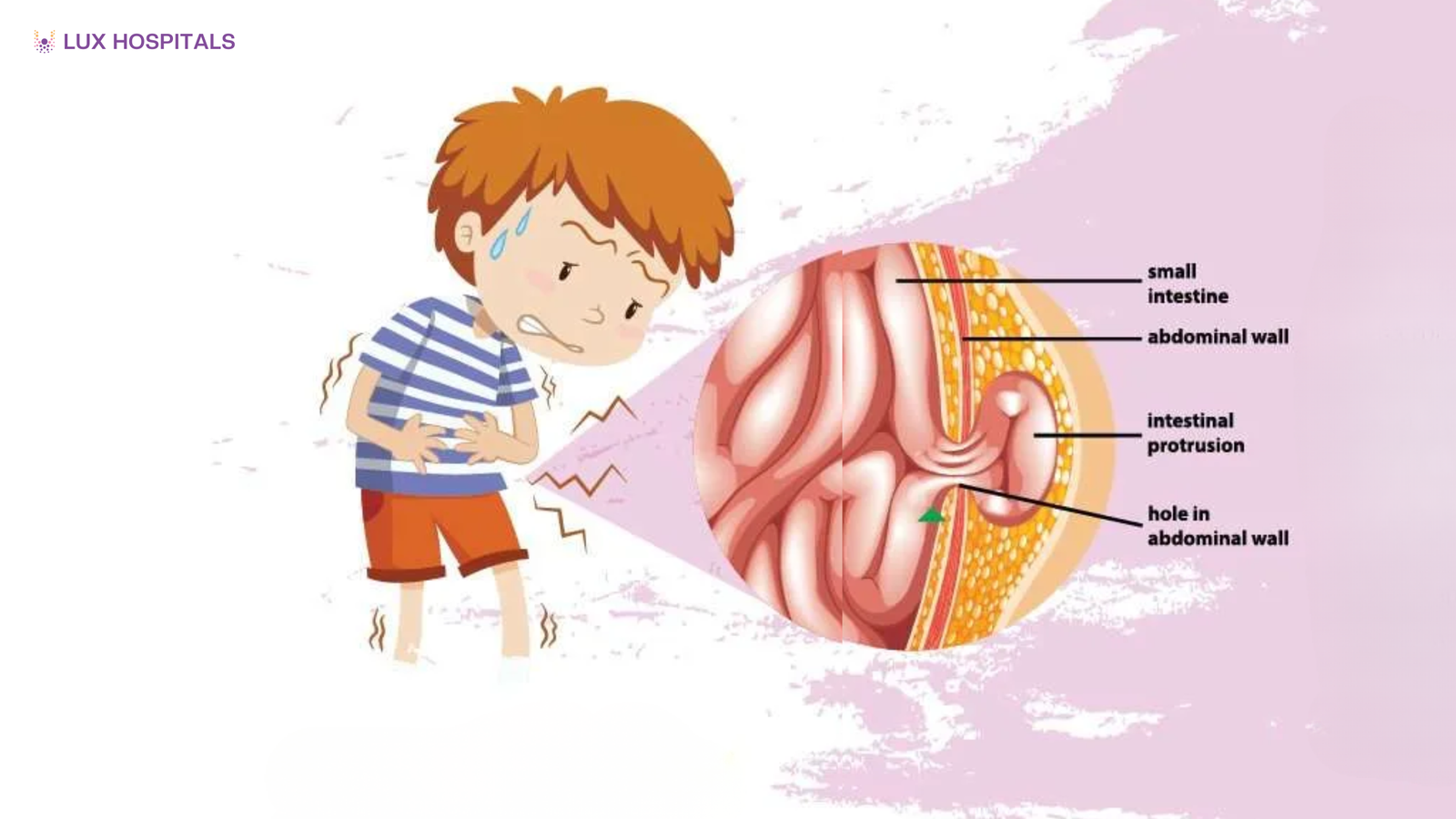
A hernia is a condition that can affect people of all ages, including infants and young children. Hernia in Children often worries parents because it may appear suddenly and cause discomfort. While many childhood hernias are not life-threatening, early diagnosis and timely treatment are important to avoid complications. Understanding the symptoms, causes, and treatment options helps parents take the right steps at the right time.
What is a Hernia in Children?
Hernia in Children occurs when an internal organ or tissue pushes through a weak spot in the muscle wall. This usually appears as a soft bulge under the skin, especially when the child cries, coughs, or strains. Pediatric hernias are often present at birth and may become noticeable within the first few months of life. Unlike adult hernias, they are rarely caused by heavy activity.
Common Types of Hernia in Children
Each type of Hernia in Children affects a different area of the body.
Inguinal Hernia
This is the most common type of Hernia in Children, especially in boys. It appears as a bulge in the groin area and may extend into the scrotum.
Umbilical Hernia
An umbilical hernia appears near the belly button. It is common in newborns and often closes on its own as the child grows.
Femoral Hernia
This is rare in children and occurs in the upper thigh area. It requires careful medical evaluation due to a higher risk of complications.
Symptoms of Hernia in Children
The symptoms of Hernia in Children can vary depending on the type and severity. Some children may not feel pain, while others may show discomfort.
Common Symptoms
A visible bulge that increases during crying or coughing
Mild pain or discomfort
Swelling in the groin or abdomen
Warning Signs
Severe pain or constant crying
Redness or tenderness around the bulge
Vomiting or refusal to eat
These signs may indicate a trapped hernia and require urgent care.
Causes and Risk Factors
Incomplete closure of the muscle walls during fetal development is a common cause of Hernia in Children. Babies born prematurely are more vulnerable. Low birth weight, connective tissue weakness, and family history also increase the risk. Understanding these factors helps in early detection and prevention of complications.
How is a Hernia in Children Diagnosed?
Diagnosis of Hernia in Children usually begins with a physical examination. The doctor checks for a bulge while the child is relaxed and while straining. In some cases, ultrasound imaging may be used to confirm the diagnosis. Early diagnosis helps plan timely treatment and prevents emergencies.
Treatment Options for Hernia in Children
1. Observation
Some small umbilical hernias close naturally by the age of four or five. Regular monitoring is advised.
2. Surgical Treatment
Surgery is the most effective treatment for inguinal and femoral hernias. Pediatric hernia surgery is safe and commonly performed.
3. Recovery After Surgery
Children usually recover quickly after surgery. Most return to normal activities within a few days.
Prompt treatment of Hernia in Children ensures excellent long-term outcomes.
When Is Surgery Necessary?
Surgery is recommended when the hernia does not close on its own or shows signs of complications. Delaying treatment can lead to strangulation, where blood supply to the tissue is cut off. Early surgical repair of Hernia in Children helps prevent serious health risks and ensures a smooth recovery.
Preventing Complications
Parents should monitor any swelling carefully and follow medical advice. Regular check-ups, avoiding excessive abdominal pressure, and seeking early care help manage Hernia in Children safely.
Conclusion
Hernia in Children is a common condition that can be safely treated when identified early. Recognizing symptoms, understanding treatment options, and following medical advice are key to ensuring a child’s well-being. At Lux Hospitals, experienced pediatric surgeons provide gentle, advanced, and child-focused care for hernia treatment. With expert support from Lux Hospitals, parents can feel confident that their child is in safe hands.
Frequently Asked Questions
Hernia in children is usually not dangerous if treated early. Some hernias close on their own without surgery. However, untreated hernias can cause complications. Early medical care helps prevent serious problems.
Umbilical hernias may heal naturally as the child grows. Inguinal hernias usually do not close on their own. Doctors monitor the condition before deciding on treatment. Surgery is advised if healing does not occur.
Hernia surgery usually takes less than one hour. It is performed under general anesthesia. Children often go home the same day. Recovery is typically fast and smooth.
If left untreated, a hernia could become strangled or trapped. Pain, nausea, and tissue damage may result from this. If blood flow is obstructed, it creates a medical emergency. These major problems are avoided with prompt treatment.
Hernia in children often appears at birth or within the first year. Some hernias are noticed only when the child cries. Others may become visible as the child grows. Early detection helps in proper management.
Hernia surgery is considered very safe for children. It is performed by trained pediatric surgeons. Complications are rare when done on time. Most children recover quickly after surgery.
Recurrence after surgery is uncommon. Following post-surgery care instructions reduces risks. Most repairs are permanent and effective. Regular check-ups ensure long-term success.