











Constipation After Surgery: Why It Happens & How to Manage It
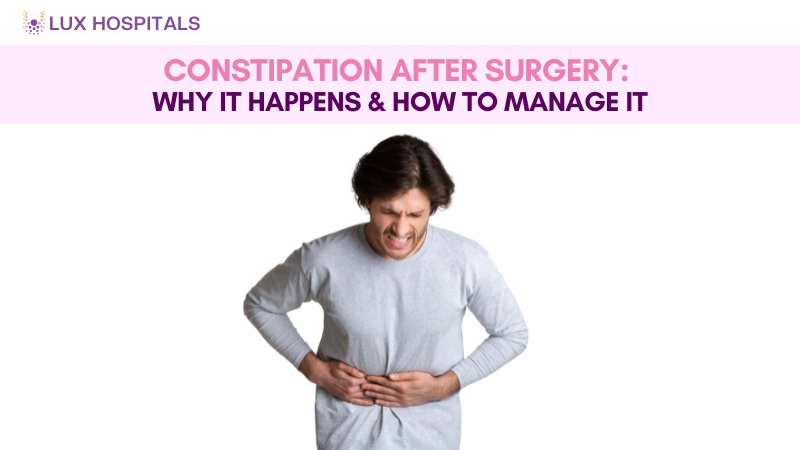
It takes more than just rest and wound healing to recover following surgery. Constipation following surgery is a typical problem for many patients. Constipation may seem insignificant, but if addressed, it can be uncomfortable, hinder healing, and possibly cause issues. In this guide, Lux Hospital explores why constipation occurs after surgery and offers practical tips to manage it effectively.
Confused About What to Eat for a Surgery
👉Get expert diet guidance tailored to your condition
Why Does Constipation Happen After Surgery?
Constipation after surgery is a frequent problem due to multiple factors affecting the digestive system:
- Medications: Painkillers, especially opioids, slow down bowel movements.
- Less Exercise: After surgery, intestinal motility may be diminished by a limited range of motion.
- Anesthesia Effects: General anesthesia may cause a brief slowdown in bowel movements and digestion
- Dietary Changes: Hospital diets and post-operative fasting may reduce fiber consumption.
- Dehydration: Restrictions on fluids both prior to and following surgery affect intestinal function.
Understanding these factors can help patients anticipate and prevent severe post-surgical constipation.
Constipation Signs and Symptoms after Surgery
- Early detection of constipation can enhance healing. Typical indicators consist of:
- Less than three bowel movements per week; hard, dry stools; straining or pain during bowel movements
- Bloating or discomfort in the abdomen, and a sense of incomplete evacuation
If symptoms persist for more than a week, consult your healthcare provider at Lux Hospital for specialized care.
Experiencing any of these symptoms? Don’t wait!
👉Consult a Lux Hospital doctor today
Managing Constipation After Surgery
Constipation following surgery can be effectively managed by combining dietary, medicinal, and lifestyle changes. Here are a few doable actions:
- Drink plenty of water
- Unless your doctor tells you otherwise, stay hydrated.
- Herbal teas and other warm liquids can encourage bowel movements.
1. A Diet High in Fiber
- Incorporate legumes, whole grains, fruits, and veggies.
- Increase fiber gradually to avoid bloating and gas.
2. Exercise
Lux Hospital recommends post-surgery physiotherapy exercises to improve bowel function; gentle motions, such as walking, help stimulate digestion.
3. Drugs
Mild laxatives or stool softeners might be recommended. To prevent reliance, always take drugs under a doctor’s supervision.
6. Routine
- Establish a regular bowel routine to encourage natural bowel movement.
- Don’t ignore the urge to go, as delaying can worsen constipation.
By addressing these areas, most patients can significantly reduce post-surgery constipation.
Need personalized care? Get expert guidance on diet & exercise
👉Book your post-surgery consultation
Preventing Constipation Before and After Surgery
A cure is not as effective as prevention. Before surgery, patients can take proactive measures to lower their risk of constipation:
- Eat a high-fiber diet a few days before surgery.
- Stay hydrated.
- Inform your doctor about prior constipation or digestive issues.
- Discuss pain management options that minimize opioid use.
Lux Hospital emphasizes patient education as a key tool to prevent post-surgical complications, including constipation.
Prepare ahead for a smooth recovery.
👉Start your recovery with our specialists – don’t wait, act now
When to Consult a Physician?
Even though moderate constipation following surgery is typical, you should visit a doctor if you:
- Extreme bloating or pain in the abdomen
- Nausea or vomiting
- Blood in the stools
- Constipation that lasts longer than a week
Don’t let constipation slow your healing.
👉Speak to a Lux Hospital expert
Conclusion
After surgery, constipation is a frequent but treatable problem. Patients can reduce discomfort and improve recovery outcomes by understanding the causes, monitoring symptoms, and adhering to sensible care practices. To prevent and manage post-surgical constipation, Lux Hospital emphasizes early intervention, hydration, fiber intake, and physical activity. For personalized care and guidance, Lux Hospital remains a trusted center for post-surgical recovery, helping patients stay comfortable and healthy during every stage of healing.
Frequently Asked Questions
It usually lasts a few days to a week, depending on the type of surgery and the medications used. Recovery, hydration, diet, and activity levels can all affect how quickly bowel movements return to normal.
Foods high in fiber, such as fruits, vegetables, whole grains, and legumes, encourage regular bowel movements. Probiotics, such as those found in yogurt or kefir, can also support gut health and enhance digestion.
Mild constipation is normal post-surgery, especially after anesthesia and reduced mobility. However, persistent constipation or severe discomfort should be reported to your doctor to rule out complications.
Stool softeners or mild laxatives are safe if prescribed by a doctor and used as directed. Over-the-counter laxatives should only be used under guidance, particularly following anesthesia and decreased movement.
It is true that mild exercise promotes bowel movements and lessens constipation. Walking lightly around the room or down the corridor promotes blood flow and speeds up the intestines’ return to normal function.