












Foods to Eat and Avoid When You Have a Hernia: A Complete Diet Guide
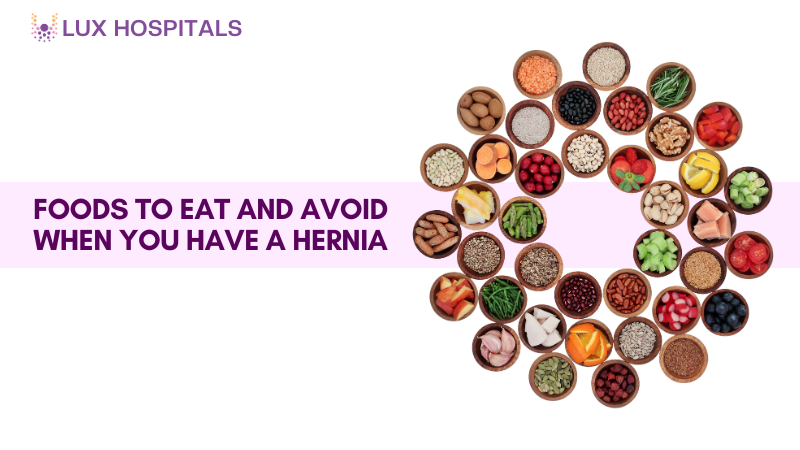
Making healthy eating choices can make a big difference, but living with a hernia can be difficult. Selecting the right foods for a hernia can reduce digestive strain, ease constipation, and reduce pressure on the abdomen. At the same time, avoiding certain foods may help prevent symptoms like bloating and acid reflux from worsening. This detailed guide explains how hernia foods support healing and comfort, while also allowing you plan meals the right way.
Confused About What to Eat for a Hernia?
👉Get expert diet guidance tailored to your condition
Why Diet Matters When You Have a Hernia?
A CA hernia happens when an internal organ pushes through a weak muscle wall. Although food cannot treat a hernia, nutrition can be invaluable. Eating poorly can exacerbate pain, raise abdominal pressure, and impede healing. A well-balanced diet promotes muscle health, facilitates easy digestion, and reduces strain during bowel movements.
Best Foods to Eat for Hernia Relief
Selecting the right hernia foods can reduce inflammation, prevent constipation, and improve gut health. Focus on fresh, natural, and easy-to-digest items.
1. High-Fiber Foods
Fiber helps prevent constipation, which reduces pressure on the hernia.
- Whole grains (oats, brown rice)
- Fruits like apples, pears, and berries
- Vegetables such as carrots, spinach, broccoli
- Legumes, including lentils and beans
2. Lean Proteins
Protein supports muscle strength and tissue repair.
- Skinless chicken
- Fish
- Eggs
- Tofu and paneer
3. Anti-Inflammatory Foods
These help reduce discomfort and swelling.
- Fatty fish (salmon, sardines)
- Nuts and seeds
- Olive oil
- Turmeric and ginger
Personalized Hernia Diet Plans Can Ease Your Symptoms
👉Our specialists help you choose the right foods
Foods to Avoid When You Have a Hernia
Some foods increase gas, acidity, or constipation. Avoiding these hernia foods can significantly reduce symptoms.
1. Spicy and Fried Foods
These may cause acid reflux and stomach irritation.
2. Processed and Junk Foods
- Chips, fast food, packaged snacks
- High salt and unhealthy fats worsen digestion.
3. Gas-Producing Foods
- Carbonated drinks
- Cabbage, cauliflower (in excess)
- Onions
4. Sugary Foods
Excess sugar can slow digestion and increase inflammation.
Not Sure Which Foods to Avoid?
👉Our experts help you create a hernia-friendly diet plan.
The Role of Fiber in Hernia Management
Fiber is a key part of smart hernia foods planning. It facilitates easier bowel movements and softens waste. lowering abdominal strain. The recommended daily intake of fiber for adults is 25–30 grams. added gradually to avoid bloating.
Importance of Hydration
Water supports digestion and helps fiber work properly. Drinking enough fluids ensures that foods move smoothly through the digestive tract, reducing constipation and discomfort. Aim for 8–10 glasses of water daily, unless your doctor advises otherwise.
Meal Planning Tips for Hernia Patients
Good planning helps you stick to safe hernia foods without feeling restricted.
Helpful pointers:
- Eat 4–5 small meals a day.
- Chew food slowly
- Avoid lying down immediately after eating.
- Maintain regular meal timings.
These simple habits can lower abdominal pressure and improve digestion.
Recover Faster with Expert Post-Surgery Care
👉Expert Hernia Care Support
Weight Management and Hernia Symptoms
The abdominal wall is under more pressure when one is overweight. Choosing balanced hernia foods supports healthy weight management, which may reduce symptom severity and slow hernia progression.
Diet After Hernia Surgery
Post-surgery recovery depends heavily on nutrition. Doctors often recommend soft, easy-to-digest foods for a hernia, such as soups, yogurt, mashed vegetables, and fruits. Gradually reintroduce solid foods as healing progresses, following guidance from specialists at Lux Hospital.
Need expert advice for hernia treatment and diet?
👉 Consult Lux Hospital Specialists
Conclusion
Managing a hernia becomes easier when you focus on the right hernia foods and avoid common triggers. A thoughtful diet supports digestion, reduces discomfort, and improves quality of life. At Lux Hospital, specialists combine dietary guidance with advanced treatment options to deliver patient-centered care. By following expert advice and choosing balanced hernia foods, you can take a confident step toward better digestive health and long-term relief. Lux Hospital remains committed to providing expert-led hernia care, combining nutrition advice, advanced diagnostics, and personalized treatment plans for optimal patient outcomes.
Frequently Asked Questions
No, diet alone cannot cure a hernia because it is a structural issue caused by a weakness in the muscle wall. However, choosing the right hernia foods can significantly reduce symptoms such as pain, bloating, and constipation. Doctors at Lux Hospital often recommend dietary management as a supportive treatment alongside medical care.
Milk can be beneficial if it is low-fat or skimmed, as it provides protein and calcium without increasing stomach pressure. However, full-fat milk and dairy products may cause bloating or acid reflux in some individuals. Hernia patients should monitor how their body reacts and include milk as part of balanced hernia foods only if it does not trigger discomfort.
Yes, bananas are one of the most recommended hernia foods. They are easy to digest, rich in fiber, and help prevent constipation. Bananas also reduce acid reflux, making them especially helpful for people with a hiatal hernia or digestive sensitivity.
Foods that cause gas, constipation, or acid reflux can worsen hernia symptoms. These include spicy foods, fried items, processed snacks, carbonated drinks, excess sugar, and refined carbohydrates. Avoiding such hernia foods helps reduce abdominal pressure and prevent pain flare-ups.
Coffee may irritate the stomach lining and worsen acid reflux, which can aggravate hernia symptoms—especially in patients with hiatal hernias. If you enjoy coffee, limit intake and avoid drinking it on an empty stomach. Switching to low-acid coffee or herbal teas is often a better option for safely managing hernia foods.