















The Impact of Gastric Band Surgery on Diabetes and Heart Health
Obesity is more than a cosmetic concern—it is a serious medical condition that increases the risk of type 2 diabetes, heart disease, high blood pressure, and several other chronic illnesses. For many people, losing weight through diet and exercise alone can be challenging, especially when obesity has been present for years. This is where bariatric procedures such as gastric band surgery offer hope. At Lux Hospitals, our experienced bariatric surgeons provide advanced, patient-centred treatment plans that focus on long-term success. This blog explains how the Impact of Gastric Band Surgery benefits people living with diabetes and heart disease while helping them achieve healthier lives.

What is Gastric Band Surgery?
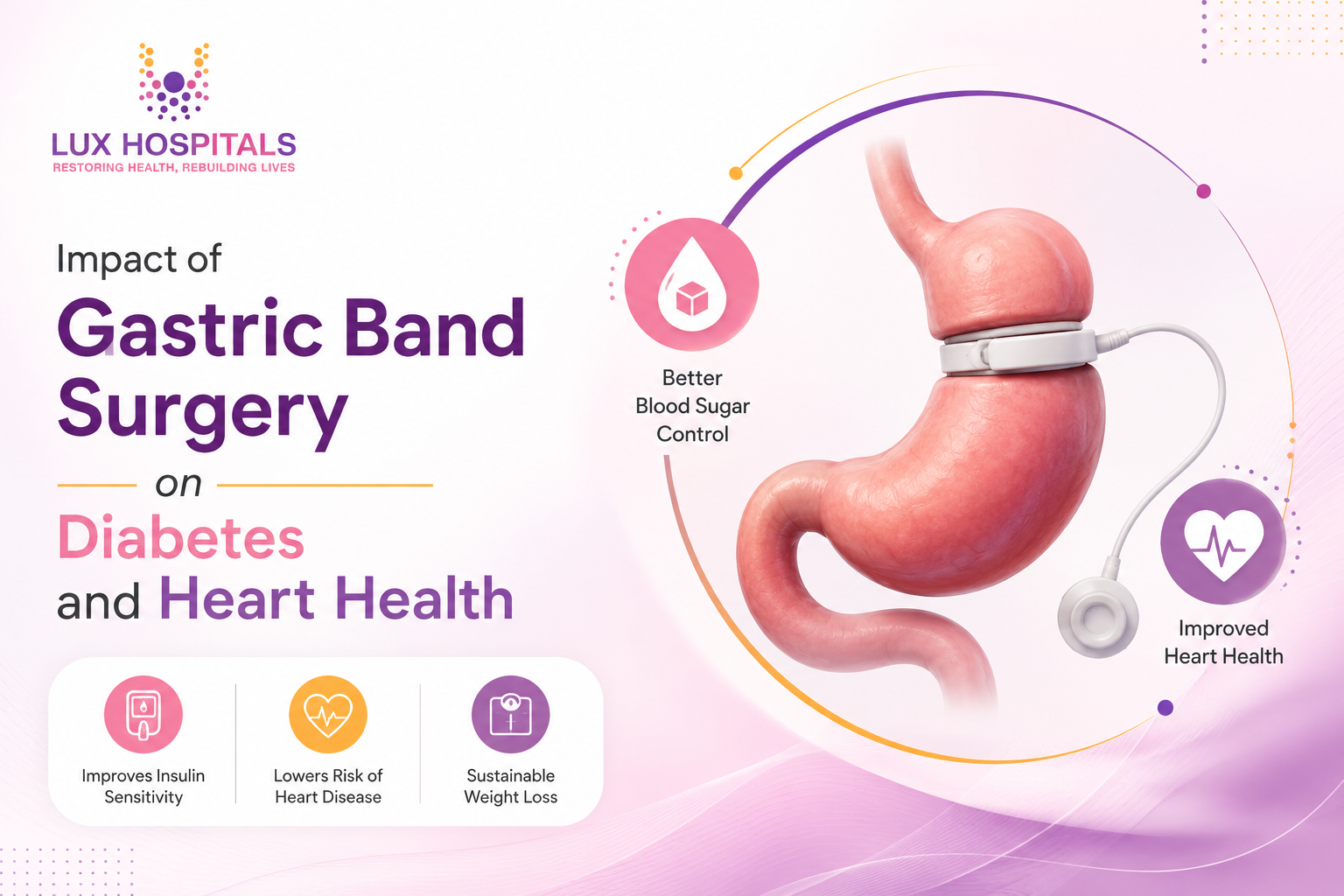
Gastric band surgery, also known as laparoscopic adjustable gastric banding, is a minimally invasive weight-loss procedure. During the surgery, a soft silicone band is placed around the upper part of the stomach to create a small pouch. This smaller pouch helps patients feel full after eating smaller portions. Initial outcomes of gastric band surgery that lead to long-term health benefits include improved eating habits, sustained weight loss, and controlled food intake.
How Gastric Band Surgery Works
The procedure helps patients by:
- Reducing stomach capacity.
- Promoting early fullness.
- Controlling portion sizes.
- Supporting gradual weight loss.
- Encouraging healthier eating habits.
- Improving metabolic health.
Patients can benefit from long-term weight loss while recovering somewhat quickly because the digestive system is largely unaffected.
Understanding the Connection Between Obesity, Diabetes, and Heart Disease
Obesity affects nearly every organ in the body. Excess body fat causes hormonal and metabolic changes that increase insulin resistance, making it difficult for the body to regulate blood sugar. At the same time, obesity places extra strain on the heart, increasing blood pressure and cholesterol levels.
Common obesity-related health problems include:
- Type 2 diabetes
- High blood pressure
- High cholesterol
- Coronary artery disease
- Stroke
- Sleep apnea
- Fatty liver disease
The Impact of Gastric Band Surgery becomes especially valuable because it targets the root cause—excess body weight. As patients lose weight, these conditions often improve significantly.
The Impact of Gastric Band Surgery on Diabetes
Improving diabetes control is one of the biggest advantages of bariatric surgery. Losing weight improves the body’s ability to use insulin by lowering insulin resistance. Within months following surgery, many patients report improved blood sugar control.
The Impact of Gastric Band Surgery is particularly noticeable in patients with type 2 diabetes who have struggled to manage their condition despite medications and lifestyle changes.
How Gastric Band Surgery Improves Diabetes
The surgery supports diabetes control by:
- Improving insulin sensitivity.
- Lowering fasting blood sugar levels.
- Reducing HbA1c levels.
- Decreasing dependence on diabetes medications.
- Promoting healthy body weight.
- Reducing diabetes-related complications.
Although results vary, many patients report improved energy levels, better glucose control, and better daily functioning.
Benefits for Diabetes Patients
Patients may experience:
- Better blood sugar stability.
- Reduced risk of kidney disease.
- Lower risk of diabetic nerve damage.
- Improved vision by reducing diabetes complications.
- Increased physical activity.
- Better quality of life.
The long-term Impact of Gastric Band Surgery depends on following a healthy diet, exercising regularly, and attending follow-up appointments with the bariatric care team.
The Impact of Gastric Band Surgery on Heart Health
Obesity dramatically raises cardiovascular risk, and heart disease is still one of the world’s leading causes of death. Being overweight increases blood pressure, makes the heart work harder, and elevates cholesterol levels.
The Impact of Gastric Band Surgery on heart health is remarkable because gradual weight loss simultaneously improves several cardiovascular risk factors.
Heart Health Benefits After Gastric Band Surgery
Patients often experience:
- Lower blood pressure.
- Improved cholesterol levels.
- Reduced triglycerides.
- Better circulation.
- Lower inflammation.
- Reduced risk of heart attack.
- Reduced risk of stroke.
- Improved overall cardiovascular function.
As body weight drops, the heart pumps blood more efficiently, relieving pressure on the cardiovascular system. When performing daily tasks, many patients report feeling less tired and having more stamina.
Lifestyle Changes That Maximise the Impact of Gastric Band Surgery
The Impact of Gastric Band Surgery is greatest when patients combine the procedure with healthy lifestyle changes. While the gastric band helps reduce food intake, lasting success depends on developing healthier habits that support weight loss and overall well-being.
Patients who follow their surgeon’s recommendations are more likely to maintain their weight loss and continue to improve their diabetes and heart health.
Essential Lifestyle Changes After Gastric Band Surgery
To maximise the Impact of Gastric Band Surgery, patients should:
- Eat small, balanced meals throughout the day.
- Prioritise lean protein, vegetables, and whole grains.
- Avoid sugary drinks and processed foods.
- Chew food slowly and thoroughly.
- Stay hydrated by drinking plenty of water.
- Exercise for at least 30 minutes on most days.
These habits help patients maintain healthy blood sugar levels, improve heart function, and prevent weight regain.
Who is the Right Candidate for Gastric Band Surgery?
Not everyone is a good candidate for gastric band surgery. Determining whether surgery is the best choice for a patient’s health status and weight-loss objectives requires a thorough medical review.
The Impact of Gastric Band Surgery is most beneficial for individuals who are committed to making permanent lifestyle changes and actively participating in their recovery journey.
You May Be Eligible If You:
- Have a Body Mass Index (BMI) of 40 or above.
- Have a BMI of 35 or above with obesity-related conditions such as diabetes or hypertension.
- Have been unable to lose weight through diet and exercise alone.
- Understand the benefits and responsibilities of bariatric surgery.
- Are willing to attend regular follow-up appointments.
At Lux Hospitals, every patient undergoes a comprehensive assessment to ensure the safest and most effective treatment plan.
Risks and Considerations of Gastric Band Surgery
Gastric band surgery carries hazards, just like any surgical procedure. However, problems are rare and controllable when performed by skilled bariatric surgeons.
Possible Risks Include
- Band slippage
- Band erosion
- Infection
- Port-related complications
- Difficulty swallowing
- Acid reflux
- Temporary nausea or vomiting
Choosing a reputable healthcare provider like Lux Hospitals significantly reduces these risks by offering expert surgical care and continuous post-operative monitoring. Patients should report any unexpected symptoms to their bariatric specialist right away for prompt treatment.
Why Choose Lux Hospitals for Gastric Band Surgery?
Successful bariatric surgery, in our opinion at Lux Hospitals, goes beyond the operating room. To ensure long-lasting outcomes, our interdisciplinary team supports patients before, during, and after surgery.
What Makes Lux Hospitals Different?
- Skilled bariatric surgeons
- Sophisticated methods for laparoscopic surgery
- A thorough assessment of obesity
- Individualised dietary guidance
- Assistance with diabetes control
The Impact of Gastric Band Surgery becomes even more meaningful when patients receive continuous guidance from experienced specialists who understand every stage of their weight-loss journey.
Conclusion
Gastric band surgery has far-reaching effects that go well beyond aiding in weight loss. It is essential for improving blood sugar regulation, lowering blood pressure and cholesterol, preventing complications of type 2 diabetes, and safeguarding heart health. Many patients report feeling more confident, having more mobility, and having a much higher quality of life when they lose weight gradually and sustainably. Our skilled bariatric specialists at Lux Hospitals offer individualised care, cutting-edge surgical expertise, and comprehensive support to help each patient achieve long-lasting health benefits. If obesity, diabetes, or heart disease is affecting your life, consult the bariatric experts at Lux Hospitals to discover how the Impact of Gastric Band Surgery can help you build a healthier future.
Frequently Asked Questions
By encouraging gradual weight loss and enhancing insulin sensitivity, gastric band surgery can greatly improve blood sugar control. Following surgery, many people need fewer diabetes drugs, and depending on their general health and dedication to lifestyle modifications, some have partial or total remission.
Losing weight after gastric band surgery decreases cholesterol, lowers blood pressure, lessens inflammation, and eases the burden on the heart. These developments lower the long-term risk of heart attack, stroke, and other cardiovascular conditions.
Within the first two years following surgery, the majority of patients lose between 40% and 60% of their excess body weight. Diet, exercise, follow-up care, and following the physician's instructions all affect individual outcomes.
Many patients see changes in blood sugar levels within weeks as calorie consumption decreases and weight loss commences. With consistent lifestyle modifications and medical supervision, sustained improvement usually takes several months.
Lux Hospitals provides cutting-edge laparoscopic bariatric surgery, performed by skilled professionals using advanced techniques and evidence-based treatment plans. To help patients achieve sustained weight loss, our comprehensive approach includes dietary counselling, medical exams, individualised care programs, and long-term follow-up.
Yes, Lux Hospitals offers ongoing post-operative care, including regular health evaluations, band modifications when necessary, dietary advice, exercise recommendations, and lifestyle counselling. To maximise the long-term success of gastric band surgery, our interdisciplinary team works closely with patients.


