










What Causes Endometriosis? Common Risk Factors Explained
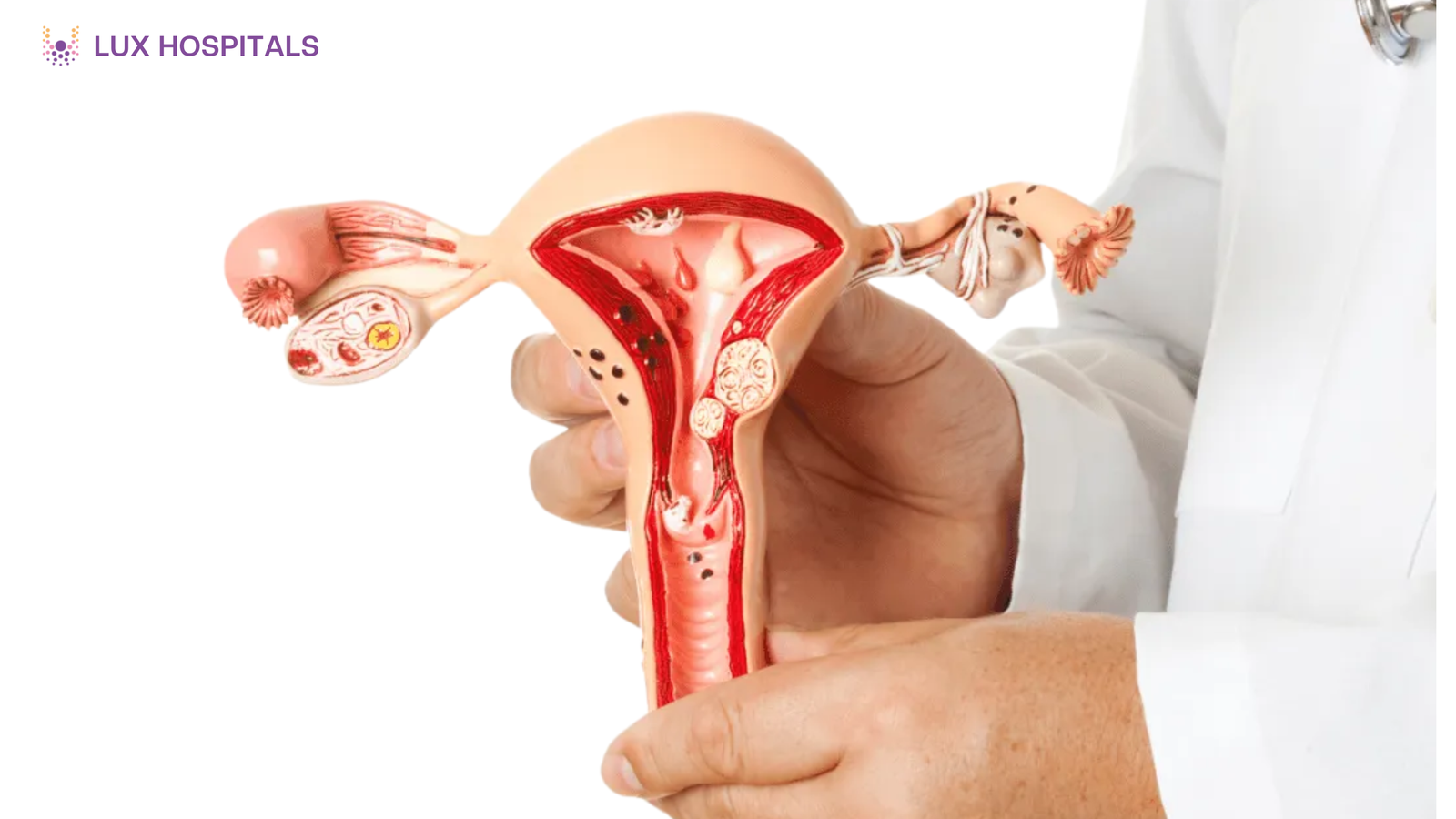
Endometriosis is a chronic, often painful condition that affects millions of people who menstruate worldwide. It occurs when tissue similar to the lining of the uterus (the endometrium) grows outside the uterus instead of being shed during a period. Unlike normal menstrual tissue, this misplaced tissue cannot exit the body, but it still responds to hormonal cues. This can lead to cysts, adhesions, inflammation, scarring, and sometimes severe pelvic pain and infertility.
What Causes Endometriosis?
Medical science has proposed multiple theories to explain how Endometriosis develops. While no single theory accounts for every case, each provides insight into potential mechanisms:
1. Retrograde Menstruation
Menstrual blood may flow backward from the fallopian tubes into the pelvic cavity instead of out of the body. Endometrial cells in this blood can implant and proliferate on pelvic organs and tissues.
2. Cell Transformation (Metaplasia)
Certain cells outside the uterus, such as peritoneal cells lining the abdominal cavity, may transform into endometrial-like cells. Hormonal or immune factors may trigger this process, known as metaplasia.
3. Immune System Dysfunction
Normally, the immune system clears misplaced endometrial tissue. In Endometriosis, this surveillance may be less effective, allowing tissue to implant and persist outside the uterus.
4. Surgical Embedding & Transport Theories
Endometrial cells can adhere to surgical scars during procedures such as cesarean sections. Rarely, endometrial cells may reach distant parts of the body via blood vessels or lymphatic channels.
5. Genetic and Environmental Interactions
A strong genetic component exists—having a first-degree relative with Endometriosis significantly increases risk. Environmental factors, including exposure to endocrine-disrupting chemicals, may also contribute.
Common Risk Factors for Endometriosis
Although the exact cause is unknown, research has identified several common risk factors. These do not directly causes Endometriosis but may increase susceptibility:
1. Family History & Genetics
A close relative (mother, sister, daughter) with Endometriosis raises your likelihood of developing the condition.
2. Early Menstruation & Hormone Exposure
Starting periods at an early age, experiencing shorter cycles, or having prolonged heavy periods increases lifetime estrogen exposure, a hormone closely linked to Endometriosis.
3. Never Giving Birth
Not having been pregnant is associated with a higher risk, as pregnancy temporarily halts menstrual cycles, reducing cumulative hormone exposure.
4. Body Weight & Hormonal Levels
Low body mass index (BMI) and higher estrogen exposure may increase the risk due to hormonal and metabolic effects on tissue growth.
5. Menstrual Outflow Obstruction
Structural issues in the vagina, cervix, or uterus that prevent normal menstrual flow can contribute to retrograde menstruation, raising risk.
6. Immune System & Chronic Inflammation
Immune abnormalities, where endometrial tissue is not effectively cleared, are implicated in Endometriosis.
7. Age of Onset
Although Endometriosis can begin soon after puberty, it is most commonly diagnosed in people in their 20s to 40s, coinciding with peak reproductive hormone activity.
Complications Often Linked with Endometriosis
Persistent inflammation and hormone-driven tissue growth can lead to:
- Chronic pelvic pain and painful menstruation affecting daily life.
- Infertility due to adhesions or blocked fallopian tubes.
- Endometriomas (ovarian cysts) causing pain and affecting fertility.
- Potential increased cardiovascular risk from ongoing inflammation.
Conclusion
Endometriosis is a complex condition influenced by hormonal, genetic, immune, and environmental factors. Recognizing these risk factors early allows women to seek timely medical guidance and personalized care. At Lux Hospitals, our experienced gynecology specialists provide comprehensive evaluation, advanced diagnostic support, and individualized treatment plans to help manage symptoms effectively, reduce complications, and protect long-term reproductive health. Early consultation can make a significant difference in improving quality of life and fertility outcomes.
Frequently Asked Questions
The exact cause of Endometriosis is unknown and not fully understood by researchers, but most evidence points to a combination of hormonal, genetic, and immune factors interacting to allow tissue similar to the uterine lining to grow outside the uterus, where it causes inflammation and painful symptoms over time.
Yes, family history, early onset of menstruation, short cycles, heavy periods, never having given birth, higher lifetime estrogen exposure, low BMI, and menstrual outflow issues are all linked to an increased likelihood of Endometriosis according to current research.
Since the reasons for endometriosis are complex and poorly understood, there is currently no known way to totally prevent it. However, certain factors, such as maintaining hormonal balance, may affect risk, and early medical evaluation can help manage symptoms and reduce long-term consequences.
Common symptoms include severe pelvic pain (especially during menstruation), painful intercourse, heavy or prolonged periods, fatigue, bloating, painful bowel movements or urination, and sometimes infertility, reflecting the widespread impact of the condition.