Dr. Samhitha Reddy
Consultant Proctologist & Laparoscopic Surgeon
MBBS, MS, FMAS, FISCP, DMAS
- 8 Yrs
- ASCRS Member
By Dr Harshita Kakarla · MBBS, MS, FMAS 27 November 2025 3 min read
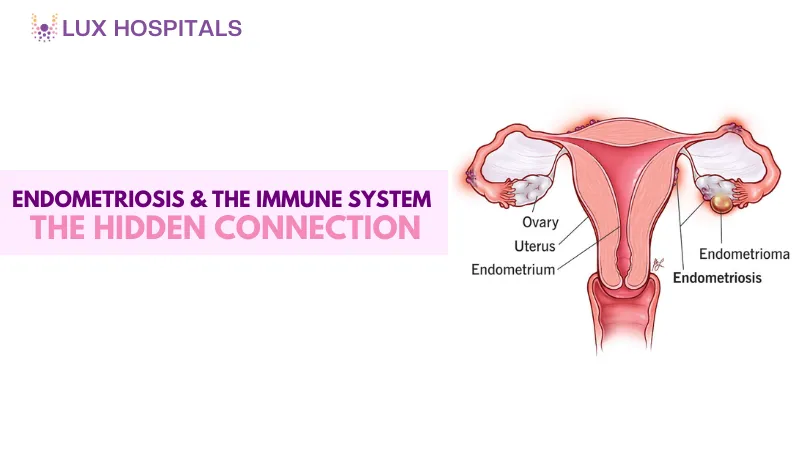
Endometriosis and the Immune System share a deeper connection than most people realize. Many women experience pain, inflammation, and hormonal changes, but the role of immunity often remains overlooked. This blog explains how Endometriosis and the Immune System influence each other, why this connection matters, and how understanding it can help patients seek the proper […]
Endometriosis and the Immune System share a deeper connection than most people realize. Many women experience pain, inflammation, and hormonal changes, but the role of immunity often remains overlooked. This blog explains how Endometriosis and the Immune System influence each other, why this connection matters, and how understanding it can help patients seek the proper treatment at the right time.
Endometriosis and the Immune System are linked because endometriosis itself is an inflammatory condition. When tissue resembling the uterine lining grows outside the uterus, it is known as endometriosis. The uterus. These tissues respond to hormones, causing:
As inflammation increases, the immune system responds, but sometimes in the wrong way.
Before understanding the hidden connection between Endometriosis and the Immune System, it’s essential to know how immunity works.
The immune system protects the body by:
A healthy immune response quickly identifies and destroys anything harmful. But in endometriosis, something changes.
The relationship between Endometriosis and the Immune System begins when endometrial-like tissue implants outside the uterus. The immune system should recognize this tissue as abnormal and eliminate it, but in many women, this does not happen. Instead:
This weakened response allows endometriosis lesions to grow unchecked.
Studies show that Endometriosis and the Immune System influence each other in both directions. When immunity is not functioning correctly, endometrial-like cells survive more easily outside the uterus.
Decreased Natural Killer (NK) Cell Activity
Increased Pro-Inflammatory Cytokines
Reduced Ability to Clear Retrograde Menstruation
Overactive Macrophages
This cycle increases pain and encourages lesion growth.
When Endometriosis and the Immune System are interconnected, symptoms become more severe.
Common immune-related symptoms include:
These signs show the impact of uncontrolled immune reactions.
When treating Endometriosis and the Immune System, modern medicine focuses on reducing inflammation, regulating the immune system, and relieving symptoms.
Hormonal Treatment
Immunomodulating Therapy
Surgical Removal of Lesions
Modifications to Lifestyle
These methods help balance immunity naturally.
Understanding the relationship between endometriosis and the immune system is essential. Women can receive long-lasting relief and a more precise diagnosis by investigating both immunological and hormonal variables. To support women with endometriosis, hospitals such as Lux Hospitals prioritise patient-centred care and current medical recommendations. With greater awareness and improved treatment strategies, women can lead healthier, more comfortable lives.
Endometriosis is impacted by the immune system's inability to eliminate aberrant endometrial-like cells that proliferate outside the uterus. Increased discomfort, inflammation, and tissue damage result from this feeble reaction. When immunity declines, endometriosis symptoms often worsen.
Yes, immune imbalances may contribute to endometriosis. When immune cells do not clear retrograde menstrual cells effectively, lesions can form. An overactive inflammatory response further supports the growth of endometriotic tissue.
Endometriosis can affect the immune system by causing chronic inflammation. Long-term pain and inflammation strain the immune system and may reduce overall immune efficiency. Some women with endometriosis experience fatigue and increased susceptibility to illness.
Endometriosis may be more common among women with autoimmune diseases, according to research. There is a substantial correlation between immune system dysfunctions and conditions like rheumatoid arthritis, lupus, and hypothyroidism.
Yes, treatments that control inflammation and regulate immunity can reduce symptoms. Anti-inflammatory diets, medicines, and stress reduction help improve overall immune function. Combining immune-focused treatments with hormonal therapy offers better long-term relief.
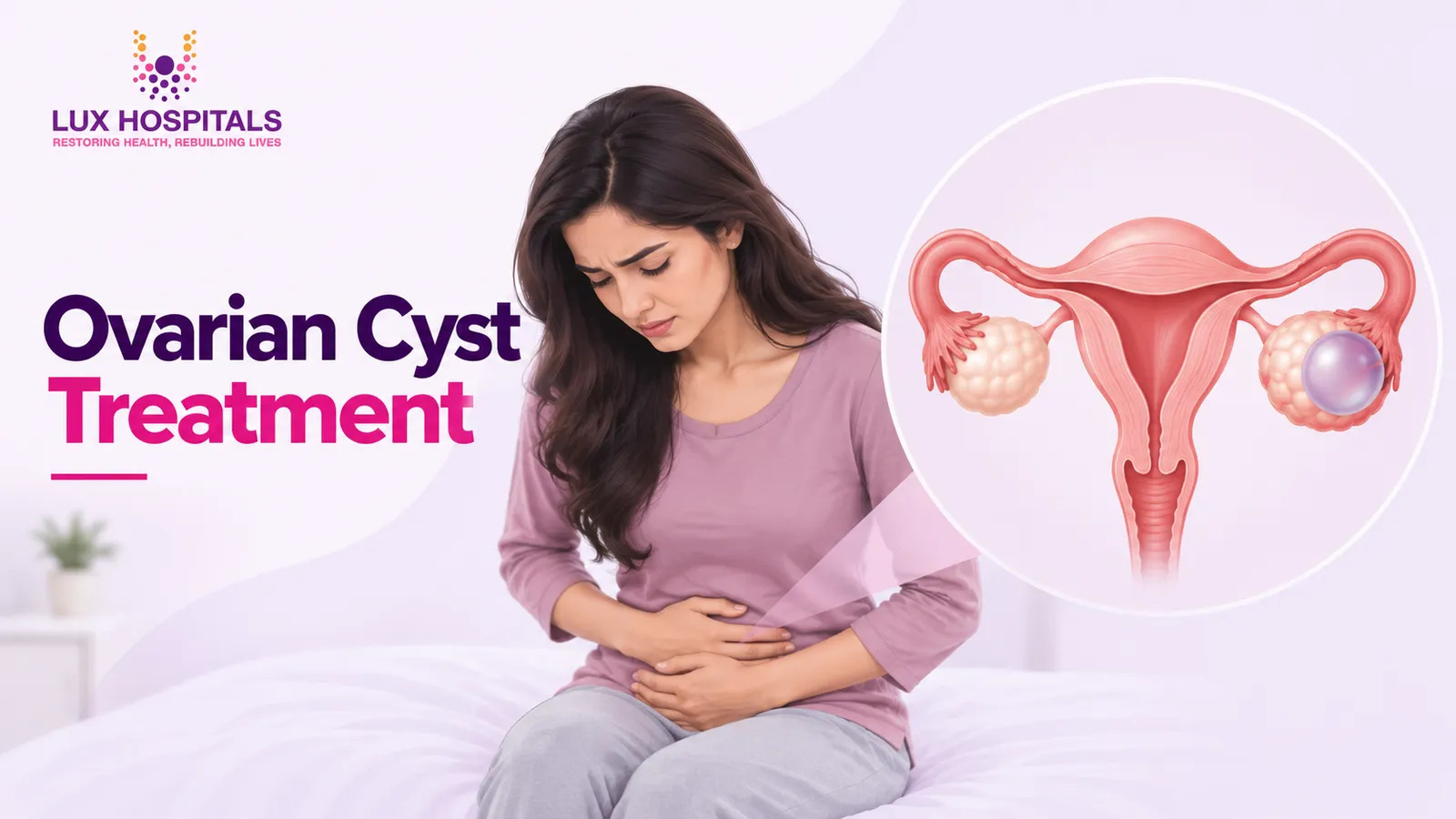
An ovarian cyst that remains on repeat scans does not automatically mean that surgery is needed. Many ovarian cysts are benign and may disappear without treatment. Your gynaecologist will consider the cyst’s size, appearance, symptoms, age, menstrual status, and whether it changes over time when deciding whether to monitor or treat. Being told that an […]
14 October 2026
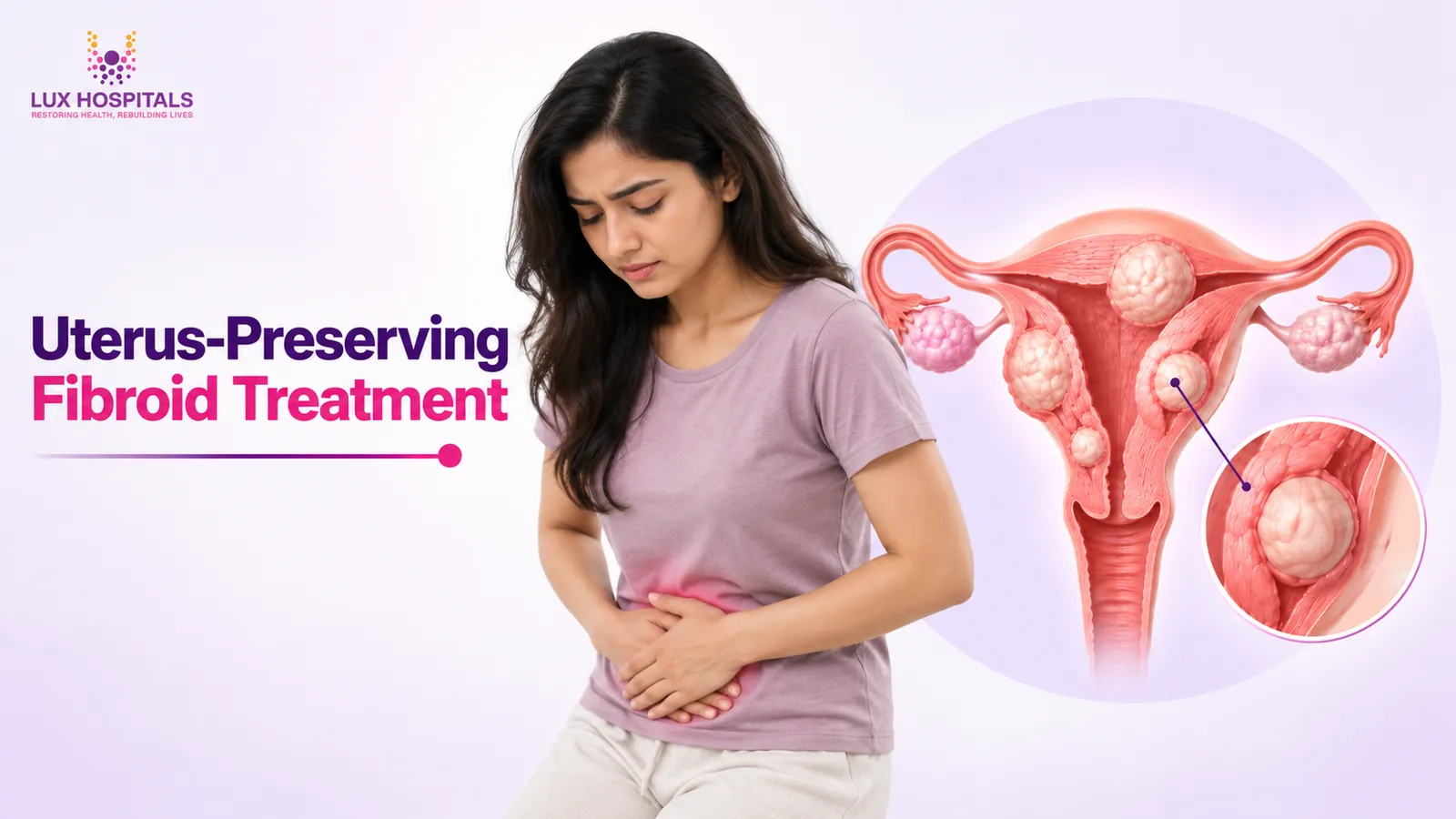
Uterus-preserving fibroid treatment may be considered when a woman wants to manage fibroids while keeping the uterus for future pregnancy. The right option depends on the fibroid’s size, number, location, symptoms, effect on the uterine cavity, age, fertility plans and overall health. Myomectomy is one uterus-preserving option. Fibroid location and whether the uterine cavity is […]
12 October 2026
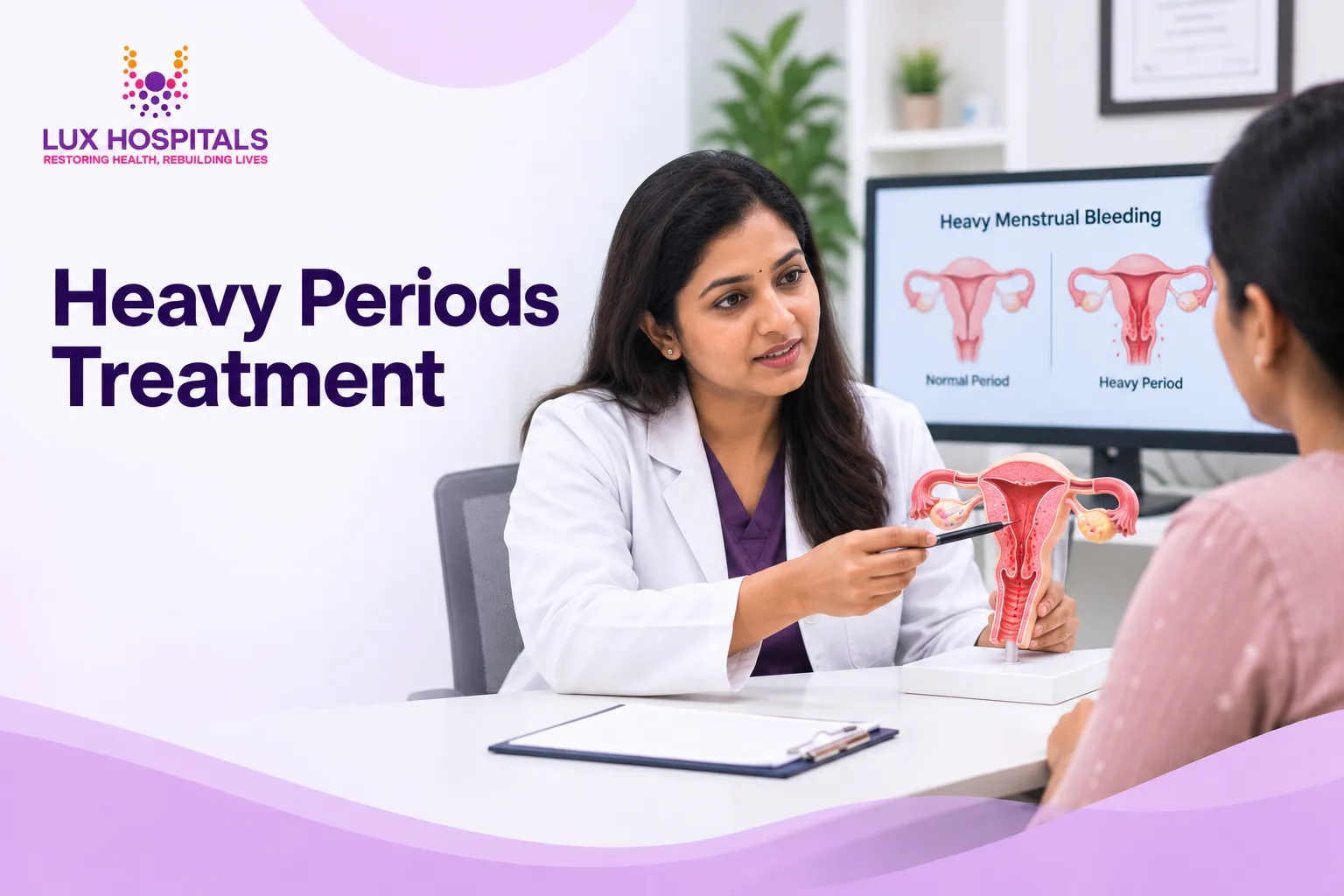
Heavy periods might influence your energy, work, sleep, emotions, and daily routine. While some women may experience less bleeding after taking medication, symptoms may occasionally persist or recur. Rather than continuing to self-medicate, persistent severe bleeding should be properly evaluated by a gynaecologist. If you are looking for heavy periods treatment in Hyderabad, your next […]
6 October 2026
Send your reports across and a senior surgeon will review them, explain the options and tell you honestly whether surgery is the right call.
Plot No.116, Lumbini Avenue, HITEC CITY, Near IKEA, Hyderabad – 500032