Dr. Samhitha Reddy
Consultant Proctologist & Laparoscopic Surgeon
MBBS, MS, FMAS, FISCP, DMAS
- 8 Yrs
- ASCRS Member
By Dr Harshita Kakarla · MBBS, MS, FMAS 18 November 2026 4 min read

PCOS and insulin resistance often occur together because high insulin levels push the ovaries to make more androgens, which disrupts ovulation and worsens PCOS symptoms. Insulin resistance affects many women with polycystic ovary syndrome, including some who are at a healthy weight. This two-way link helps explain why PCOS can raise the risk of type 2 diabetes, weight gain, and heart problems. In this guide, we explain how the connection works, which warning signs to watch for, and how doctors test for it. You will also learn practical lifestyle steps and the treatment options available at Lux Hospitals.
Polycystic ovary syndrome (PCOS) is a common hormonal condition in women of reproductive age. It affects how the ovaries work and how the body handles hormones.
Doctors usually diagnose PCOS when at least two of these features are present:
Insulin is a hormone that moves sugar from your blood into your cells for energy. In insulin resistance, cells stop responding well to this signal.
To compensate, the pancreas releases more insulin. Over time, this can lead to:
The link between PCOS and insulin resistance is a two-way cycle. High insulin acts directly on the ovaries and liver, changing hormone balance.
Here is how the cycle works:
Worried about irregular periods or weight changes? Consult the gynecology experts at Lux Hospitals today.
Insulin resistance in PCOS symptoms can be subtle at first. Many women notice skin and weight changes before any blood sugar problem appears.
You may notice:
Not every woman with PCOS has insulin resistance, and lean women can have it too. Several factors influence how strongly the two conditions connect.
Common contributing factors include:
Untreated insulin resistance raises long-term health risks for women with PCOS. The PCOS type 2 diabetes risk is notably higher than in women without the condition.
Possible complications include:
Protect your long-term health—book a metabolic screening at Lux Hospitals.
There is no single perfect test for insulin resistance. Doctors combine your history, a physical exam, and blood tests.
Common tests include:
Lifestyle changes are the first line of care for PCOS and insulin resistance. Even modest weight loss can improve cycles and insulin sensitivity in many women.
Helpful habits include:
Treatment is tailored to your symptoms, goals, and test results. Our team often combines lifestyle support with medicines when needed.
Options your specialist may discuss include:
Get a personalised PCOS treatment plan—schedule your visit at Lux Hospitals.
PCOS affects hormones, metabolism, skin, and fertility, so it needs coordinated care. At Lux Hospitals, specialists work together to treat the whole picture.
Patients benefit from:
Take control of your hormonal health—book an appointment with Lux Hospitals today.
PCOS and insulin resistance are closely linked, and each condition can make the other worse. High insulin raises androgen levels, disrupts ovulation, and increases the risk of diabetes, heart disease, and fatty liver. The good news is that this cycle can be broken with early testing, healthy habits, and the right medical support.
If you have irregular periods, dark skin patches, or stubborn belly weight, do not wait for symptoms to worsen. Regular preventive health checkups help catch blood sugar changes early. Speak with a specialist at Lux Hospitals to understand your risk and build a treatment plan that fits your life and goals.
Yes. Not every woman with PCOS has insulin resistance. However, it is common, and it can occur even in women with a healthy weight, so doctors usually recommend blood sugar testing for everyone diagnosed with PCOS.
Insulin resistance does not cause PCOS on its own, but it is a major driver of symptoms. High insulin increases androgen production, which disrupts ovulation. Genetics, hormones, and lifestyle all contribute to the condition together.
Insulin sensitivity can often improve significantly with regular exercise, balanced eating, better sleep, and weight management. Some women also benefit from medicines such as metformin. Ongoing care is usually needed because PCOS is a long-term condition.
Metformin is widely used for PCOS and is generally considered safe under medical supervision. Common side effects include stomach upset or diarrhoea, which often ease over time. Your doctor will decide whether it suits your health needs.
Many guidelines recommend an oral glucose tolerance test for women with PCOS, as it detects blood sugar problems early. Doctors may also use fasting glucose, HbA1c, and sometimes fasting insulin to assess your metabolic health.
It can. High insulin and androgen levels may prevent regular ovulation, making conception harder. Improving insulin sensitivity, managing weight, and using ovulation-inducing medicines under specialist care can help many women with PCOS conceive.
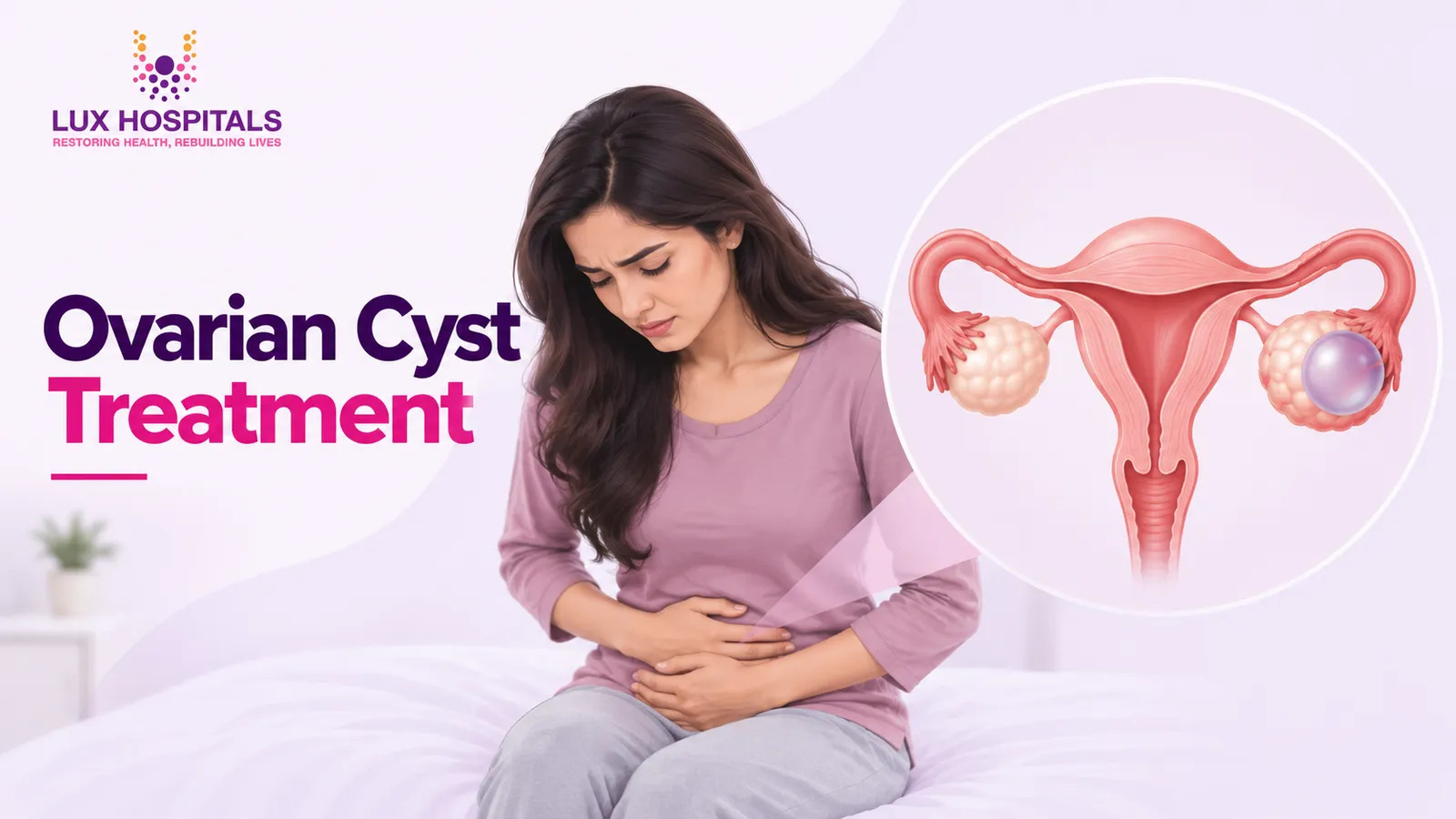
An ovarian cyst that remains on repeat scans does not automatically mean that surgery is needed. Many ovarian cysts are benign and may disappear without treatment. Your gynaecologist will consider the cyst’s size, appearance, symptoms, age, menstrual status, and whether it changes over time when deciding whether to monitor or treat.
14 October 2026
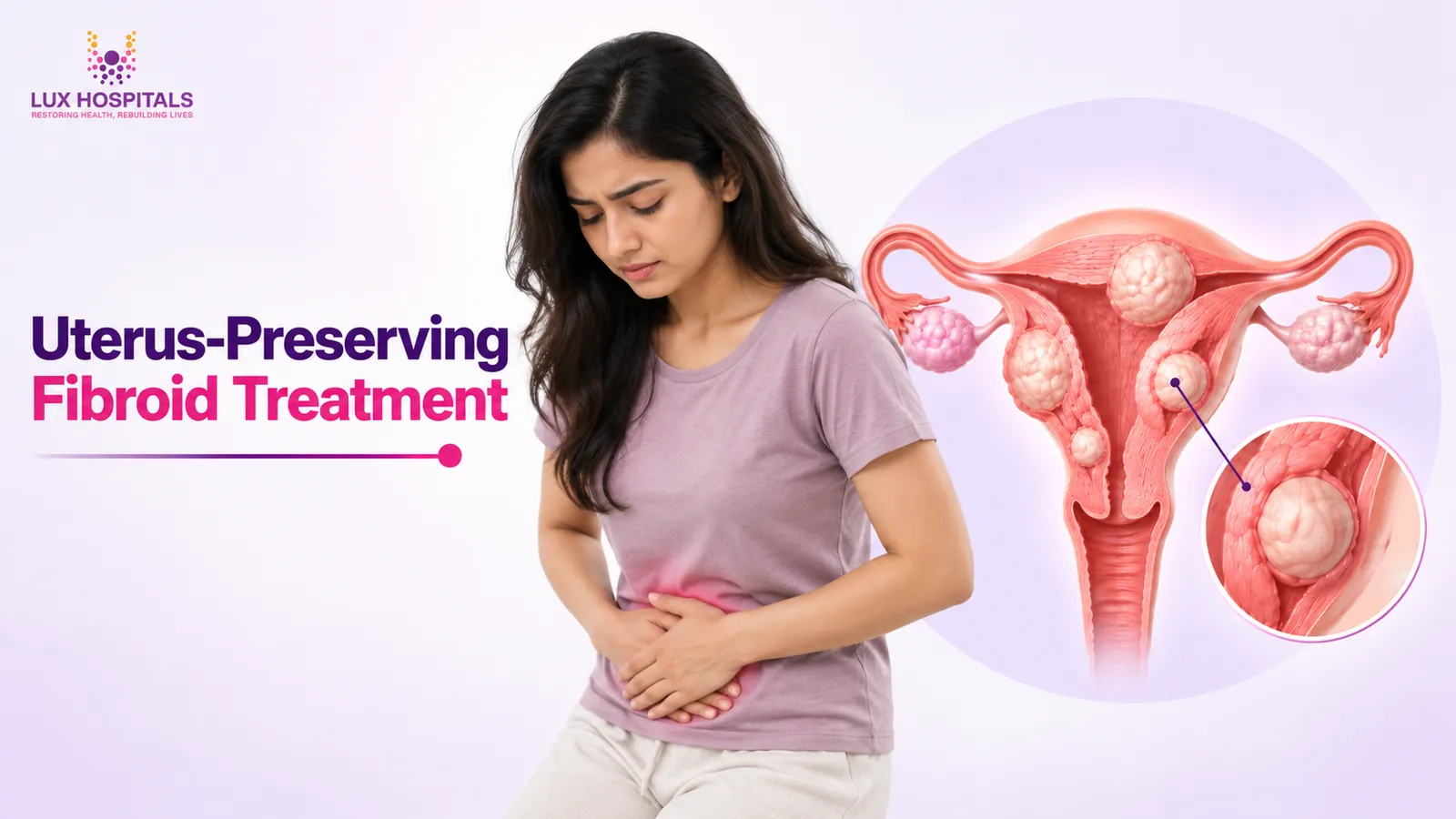
Uterus-preserving fibroid treatment may be considered when a woman wants to manage fibroids while keeping the uterus for future pregnancy. The right option depends on the fibroid’s size, number, location, symptoms, effect on the uterine cavity, age, fertility plans and overall health. Myomectomy is one uterus-preserving option.
12 October 2026

Heavy periods might influence your energy, work, sleep, emotions, and daily routine. While some women may experience less bleeding after taking medication, symptoms may occasionally persist or recur. Rather than continuing to self-medicate, persistent severe bleeding should be properly evaluated by a gynaecologist.
6 October 2026
Send your reports across and a senior surgeon will review them, explain the options and tell you honestly whether surgery is the right call.
Plot No.116, Lumbini Avenue, HITEC CITY, Near IKEA, Hyderabad – 500032