












Frequent Loose Motions? It Could Be IBS
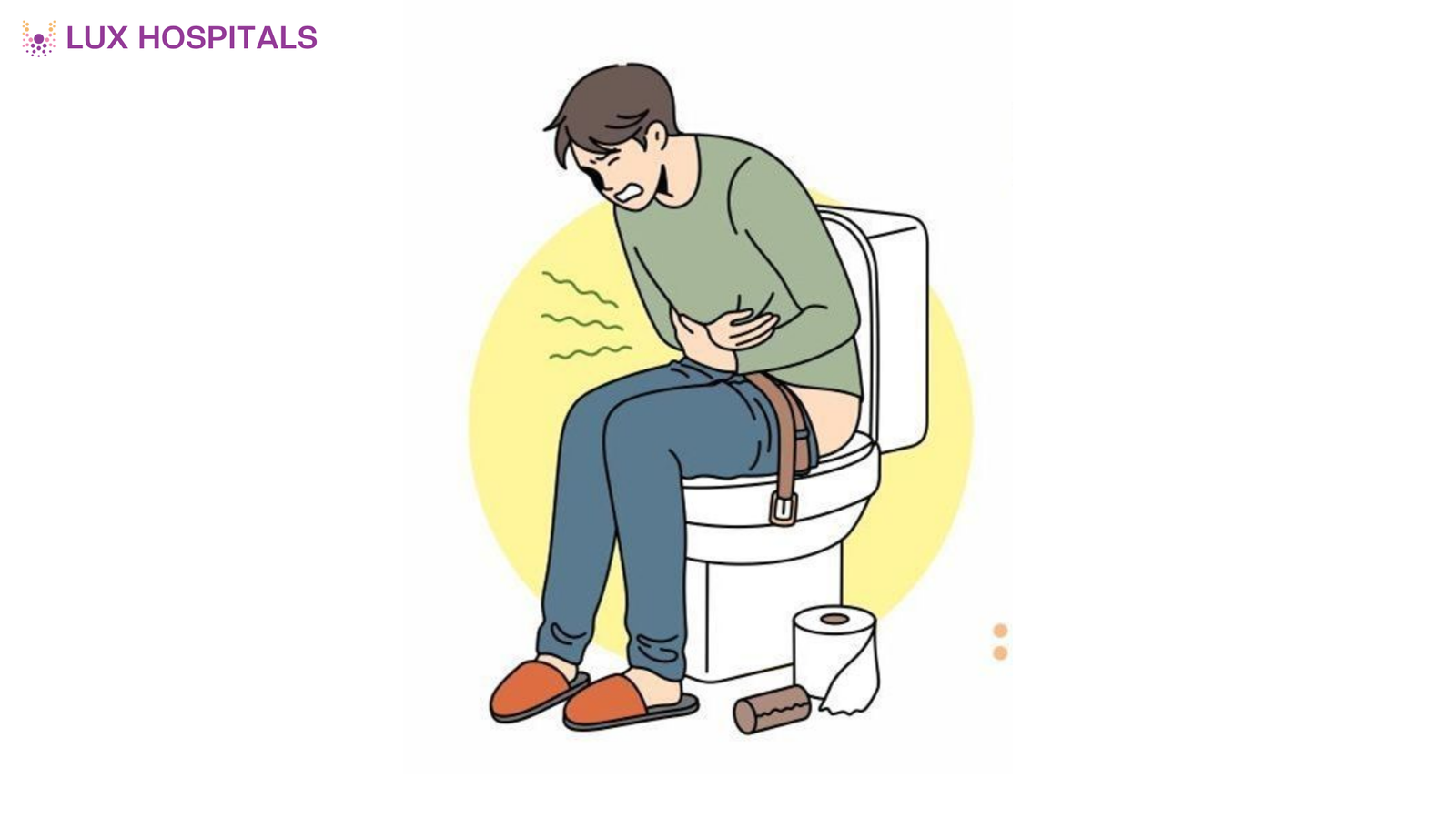
Are you experiencing Frequent Loose Motions almost every week? Many people ignore digestive issues, thinking they are caused by outside factors such as food, stress, or infection. However, when Frequent Loose Motions continue for a long time, it may indicate Irritable Bowel Syndrome (IBS), a common digestive disorder that affects the large intestine.
IBS can interfere with day-to-day activities, lower your self-esteem, and have an impact on your employment, travel, and eating habits. Professional gastroenterologists at Lux Hospitals help patients identify the precise cause of frequent loose stools and offer cutting-edge therapies for long-term relief. Early understanding of IBS can greatly enhance your quality of life and help avoid discomfort.
What is IBS and Why Does It Cause Frequent Loose Motions?
Irritable Bowel Syndrome (IBS) is a chronic digestive condition that affects the intestines. It does not permanently damage the intestines, but it can cause uncomfortable symptoms that recur.
People with IBS often experience:
- Frequent Loose Motions
- Abdominal pain
- Bloating
- Gas formation
- Urgency to use the restroom
- Mucus in stool
- Irregular bowel habits
IBS occurs because the digestive system becomes highly sensitive. Stress, food intolerance, hormonal changes, and gut bacteria imbalance can trigger symptoms. Some patients mainly suffer from constipation, while others experience Frequent Loose Motions repeatedly.
The condition is commonly known as IBS-D, in which diarrhoea is the dominant symptom. Patients may feel sudden bowel urgency after eating or during stressful situations.
Common Triggers of IBS
- Spicy foods
- Oily meals
- Dairy products
- Emotional stress
- Anxiety
- Poor sleep
- Carbonated drinks
- Excess caffeine
Ignoring Frequent Loose Motions for months can lead to dehydration, fatigue, weakness, and nutritional deficiencies.
Symptoms That Indicate Frequent Loose Motions May Be IBS
Many people confuse IBS symptoms with food poisoning or stomach infection. However, recurring digestive problems should never be ignored. If your symptoms continue for more than a few weeks, a medical evaluation becomes necessary.
Warning Signs to Watch For
1. Loose Stools Multiple Times a Day
Patients with IBS may pass loose stools 3–6 times daily. The condition often worsens after meals.
2. Stomach Pain and Cramping
Pain usually reduces after passing stool but returns later. This is a major sign linked with Frequent Loose Motions caused by IBS.
3. Bloating and Excess Gas
Throughout the day, the stomach may feel tight, puffy, or uncomfortable.
4. Sudden Urgency
Throughout the day, the stomach may feel tight, puffy, or uncomfortable.IBS sufferers may unexpectedly need to use the restroom, particularly when travelling or attending meetings.
5. Stress-Related Digestive Issues
Gut health is directly impacted by emotional stress. Anxiety can cause frequent loose motions in a lot of people.
6. Incomplete Bowel Emptying
Some individuals feel their bowel movement is incomplete even after using the restroom.
If these symptoms continue regularly, consulting a specialist is essential. Lux Hospitals provides comprehensive digestive evaluations to accurately identify IBS.
How Doctors Diagnose Frequent Loose Motions Due to IBS
There is no single test that immediately confirms IBS. Doctors first rule out other serious digestive conditions before diagnosing IBS.
At Lux Hospitals, specialists conduct detailed evaluations to identify the exact cause behind Frequent Loose Motions.
Diagnostic Methods Used
Medical History Review
Doctors analyse:
- Food habits
- Stress levels
- Symptom patterns
- Family history
- Duration of digestive problems
Physical Examination
The abdomen is checked for tenderness, bloating, and pain.
Blood Tests
These help rule out:
- Infections
- Celiac disease
- Inflammation
- Nutritional deficiencies
Stool Tests
Doctors may check for bacteria, parasites, or blood in the stool.
Colonoscopy
In some cases, colonoscopy helps identify intestinal inflammation or other bowel disorders.
When Should You Seek Immediate Medical Attention?
Seek medical help immediately if Frequent Loose Motions are associated with:
- Blood in stool
- Sudden weight loss
- Severe dehydration
- Fever
- Persistent vomiting
- Night-time diarrhea
Early diagnosis helps patients manage symptoms effectively and prevent complications.
Best Treatment Options for Frequent Loose Motions in IBS Patients
IBS treatment mainly focuses on symptom control, dietary management, and improving gut health. Since triggers vary from person to person, treatment plans are customised.
At Lux Hospitals, gastroenterologists provide personalised IBS treatment for patients struggling with Frequent Loose Motions.
1. Dietary Changes
Diet plays a major role in controlling IBS symptoms.
Foods to Avoid
- Fried foods
- Spicy dishes
- Processed snacks
- Excess dairy
- Alcohol
- Artificial sweeteners
Foods That Help
- Rice
- Bananas
- Oats
- Boiled vegetables
- Probiotic-rich foods
- Plenty of water
Doctors may also suggest a Low-FODMAP diet for some patients.
2. Stress Management
Stress directly impacts the digestive system. Managing stress can significantly reduce Frequent Loose Motions.
Helpful methods include:
- Yoga
- Meditation
- Regular exercise
- Deep breathing
- Proper sleep
3. Medications
Depending on symptoms, doctors may prescribe:
- Anti-diarrheal medicines
- Probiotics
- Antispasmodic medications
- Gut-regulating medicines
4. Lifestyle Improvements
Simple lifestyle changes can provide major relief:
- Eat meals on time
- Avoid overeating
- Stay hydrated
- Reduce caffeine intake
- Maintain physical activity
Long-Term Management Tips
Patients with IBS should:
- Identify trigger foods
- Keep a symptom diary.
- Avoid skipping meals
- Reduce stress levels
- Follow medical advice consistently.
With proper care, most patients can control Frequent Loose Motions and lead a healthy, active life.
Why Choose Lux Hospitals for IBS Treatment?
Lux Hospitals offers advanced digestive care with experienced Proctologists who focus on accurate diagnosis and patient-centred treatment.
Benefits of Choosing Lux Hospitals
- Experienced digestive specialists
- Advanced diagnostic facilities
- Personalised treatment plans
- Compassionate patient care
- Comprehensive gastrointestinal support
- Modern treatment approach
Patients suffering from Frequent Loose Motions receive complete evaluation and long-term symptom management support under expert supervision.
Conclusion
You should never disregard persistent, frequent loose motions, especially if they get in the way of your day-to-day activities. Although IBS is a tolerable condition, long-term relief requires early diagnosis and appropriate treatment. You can effectively manage your symptoms by recognising your triggers, making dietary changes, and seeking medical care.
For professional IBS care, speak with the experts at Lux Hospitals if you or a loved one is experiencing recurrent digestive discomfort. Lux Hospitals assists patients in regaining confidence and digestive health through sophisticated diagnostics, individualised care, and caring support.
Frequently Asked Questions
Yes, one of the most prevalent signs of IBS, particularly IBS-D, is frequent loose motions. For weeks or months, patients may have frequent diarrhoea, bloating, and abdominal pain. Because comparable symptoms can also be caused by other digestive problems, a proper diagnosis is crucial.
Frequent loose motions are frequently triggered in IBS patients by spicy foods, greasy meals, dairy products, caffeine, alcohol, and processed foods. Symptoms may also be exacerbated by stress and irregular eating patterns. Effective management of the illness can be achieved by identifying personal food triggers.
IBS is usually not life-threatening, but it can significantly affect daily life and emotional well-being. Recurrent loose motions, pain, and urgency may disrupt work, travel, and sleep. Early treatment and lifestyle modifications help patients manage symptoms successfully.
Lux Hospitals provides expert gastroenterology care with advanced diagnostic methods and personalised treatment plans for IBS patients. The hospital focuses on identifying the root causes of Frequent Loose Motions and on improving long-term digestive health. Patients receive compassionate care and continuous medical support throughout treatment.
If Frequent Loose Motions interfere with your daily routine, cause pain, bloating, or weakness, or last for several weeks, you should see Lux Hospitals. If symptoms include blood in the stool, dehydration, fever, or abrupt weight loss, immediate medical assistance is required. Early assessment enhances treatment results and helps avoid problems.