










When Is Spine Surgery Necessary for Back Pain?
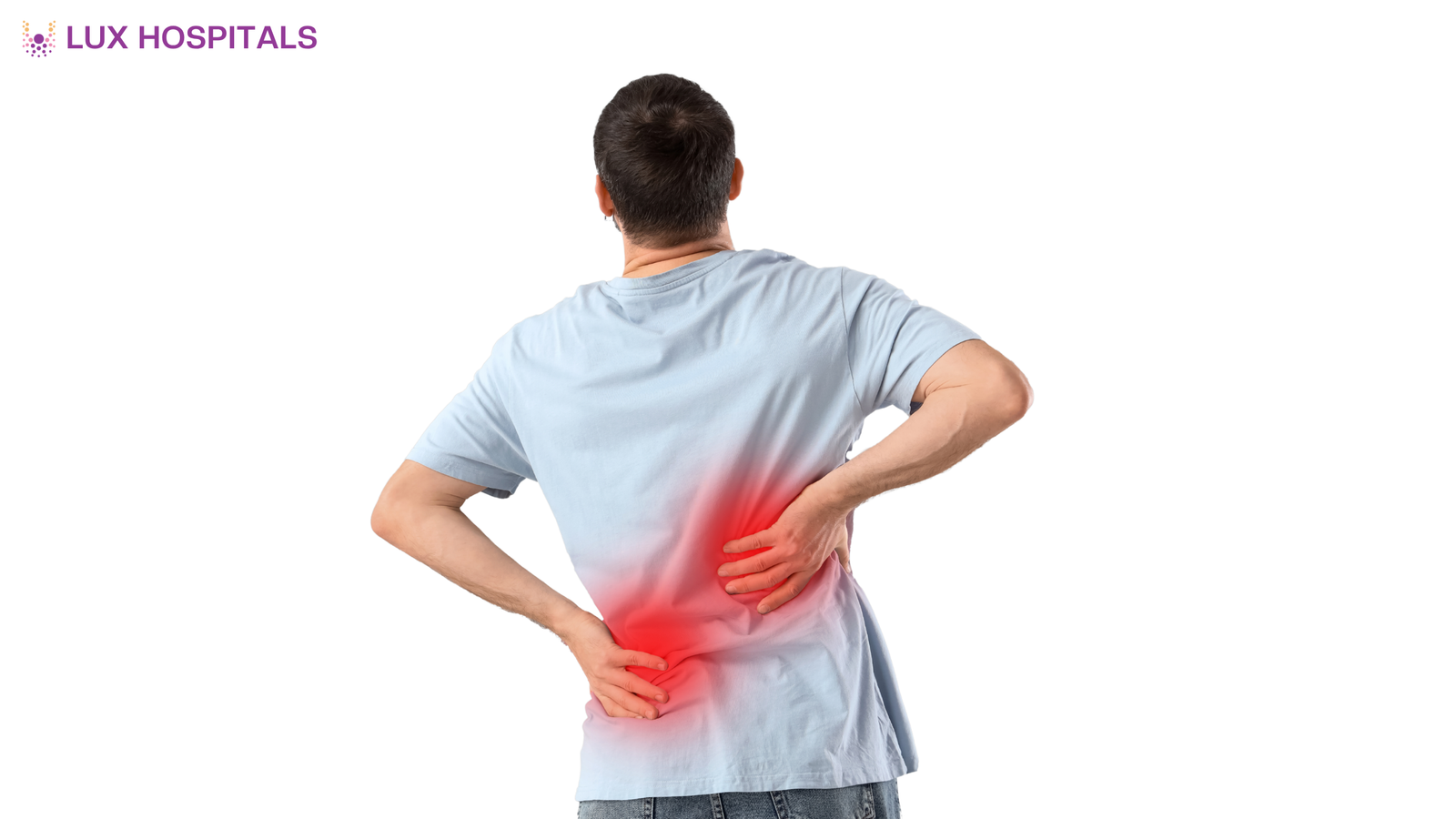
Back pain affects people of all ages. Most cases improve with rest, medication, physiotherapy, and lifestyle changes. However, some conditions require advanced care, and Spine Surgery may be the most effective way to relieve pain, restore mobility, and improve quality of life.Many patients worry about Spine Surgery, but modern techniques now make procedures safer and less invasive. Knowing when surgery is needed helps patients make informed choices.
At Lux Hospitals, our spine experts recommend Spine Surgery only when other treatments fail. This guide outlines when it’s needed, which conditions it treats, and how it helps restore an active lifestyle.
Understanding Back Pain and Its Causes
Muscle strain, bad posture, accidents, age-related degeneration, and underlying spinal abnormalities are some of the causes of back pain.
Common causes include:
- Herniated discs
- Spinal stenosis
- Degenerative disc disease
- Sciatica
- Spinal fractures
- Scoliosis
- Spinal tumors
- Nerve compression
Most patients respond well to non-surgical treatments. However, if symptoms persist or worsen, Spine Surgery may be recommended to address the underlying cause.
Symptoms That May Indicate the Need for Spine Surgery
While many back problems improve with non-surgical treatments, certain symptoms may suggest a more serious spinal condition requiring surgical evaluation. Recognizing these warning signs early can help prevent nerve damage, improve recovery outcomes, and restore your quality of life.
1. When Conservative Treatments Fail
Before considering spine surgery, doctors usually advise non-surgical therapy. Medication, physical therapy, injections, and lifestyle changes are some examples of these treatments.
If back pain continues for several weeks or months despite these approaches, surgery may become necessary.
Signs Conservative Treatments Are Not Working
- Persistent pain lasting more than 12 weeks
- Limited mobility
- Difficulty performing daily activities
- Recurring episodes of severe pain
- Reduced quality of life
When pain significantly affects work, sleep, and routine activities, Spine Surgery may provide lasting relief by correcting the underlying spinal issue.
2. Severe Nerve Compression and Sciatica
One of the most common reasons for Spine Surgery is severe nerve compression. Conditions such as herniated discs and spinal stenosis can place pressure on nearby nerves.
This pressure often causes:
- Shooting leg pain
- Numbness
- Tingling sensations
- Muscle weakness
- Difficulty walking
Sciatica occurs when the sciatic nerve becomes compressed, resulting in pain that radiates from the lower back down the leg.
Warning Signs That Need Immediate Attention
- Progressive weakness in the legs
- Loss of balance
- Difficulty standing or walking
- Severe radiating pain
Early intervention often leads to better outcomes and faster recovery.
3. Loss of Bladder or Bowel Control
Cauda equina syndrome, a medical emergency brought on by compression of nerves at the lower end of the spinal cord, can occasionally be indicated by loss of bladder or bowel control. drugs, physical therapy, injections, and changes in lifestyle.
Symptoms include:
- Sudden urinary problems
- Loss of bowel control
- Numbness in the groin area
- Severe lower back pain
- Weakness in both legs
In these situations, emergency Spine Surgery is often necessary to prevent permanent nerve damage.
Our experts at Lux Hospitals are qualified to recognise spinal emergencies and deliver timely care when every second counts.
4. Structural Problems in the Spine
Certain spinal conditions cause instability or deformity that may require Spine Surgery for correction.
Conditions That May Require Surgery
Degenerative Disc Disease
Over time, disc deterioration may result in decreased spinal stability and chronic discomfort.
Spinal Stenosis
Narrowing of the spinal canal can compress nerves and significantly affect mobility.
Scoliosis
Abnormal spinal curvature may worsen over time, leading to pain, breathing difficulties, and posture issues.
Spinal Fractures
Traumatic injuries or osteoporosis-related fractures may require surgical stabilisation.
Spinal Tumors
Tumours affecting the spine can damage nerves and require surgical removal.
In these conditions, Spine Surgery aims to restore spinal alignment, relieve nerve compression, and improve overall function.
Benefits of Modern Spine Surgery
Thanks to developments in medical technology, spine surgery is now a safer and more effective therapeutic option.
Key Benefits
- Significant pain relief
- Improved mobility
- Better nerve function
- Enhanced quality of life
- Faster recovery with minimally invasive techniques
- Reduced risk of long-term disability
Many patients experience dramatic improvements after undergoing Spine Surgery, allowing them to return to work and daily activities more comfortably.
Types of Spine Surgery
Depending on the condition, different surgical procedures may be recommended.
Common Procedures Include
Discectomy
Removes part of a herniated disc pressing on a nerve.
Laminectomy
Removes a portion of bone to create more space for nerves.
Spinal Fusion
Joins two or more vertebrae to improve stability.
Artificial Disc Replacement
Replaces damaged spinal discs while maintaining movement.
Minimally Invasive Spine Surgery
Uses smaller incisions, resulting in less tissue damage and a faster recovery.
At Lux Hospitals, treatment plans are personalised to ensure the most suitable approach for every patient.
Recovery After Spine Surgery
Recovery from Spine Surgery depends on the type of procedure and the patient’s overall health.
Recovery Tips
- Follow post-operative instructions carefully.
- Attend physiotherapy sessions
- Maintain proper posture
- Avoid heavy lifting initially.
- Stay active as recommended by your doctor.
Most patients gradually regain strength and mobility over several weeks or months.
The rehabilitation team at Lux Hospitals supports patients throughout recovery to achieve the best possible outcomes.
Why Choose Lux Hospitals for Spine Surgery?
Choosing the right hospital is essential when considering Spine Surgery.
Lux Hospitals Offers
- Experienced spine surgeons
- Advanced diagnostic technology
- Minimally invasive surgical options
- Personalised treatment plans
- Comprehensive rehabilitation support
- Patient-centered care
Our multidisciplinary team focuses on accurate diagnosis, effective treatment, and long-term recovery for every patient.
Conclusion
While most back pain may be treated without surgery, some diseases call for specialised care. Many patients benefit from safer operations, quicker recovery times, and superior results thanks to modern surgical techniques.
At Lux Hospitals, our experienced spine specialists are committed to helping patients overcome chronic pain and regain their quality of life through advanced and compassionate care.
Frequently Asked Questions
When non-surgical treatments are ineffective or when nerve compression, weakness, or spinal instability substantially interferes with day-to-day functioning, doctors typically recommend spine surgery. Determining if surgery is required is aided by diagnostic imaging and expert assessment.
When performed by skilled surgeons using cutting-edge methods, modern spine surgery is usually safe and highly successful. Recovery times have improved, hospital stays have been shorter, and problems have decreased because of minimally invasive procedures.
The patient's health, the complexity of the ailment being treated, and the type of spine surgery all affect recovery. While some patients may need several months of rehabilitation, others can return to their regular activities in a few of weeks.
Lux Hospitals offers skilled spine surgeons, cutting-edge surgical equipment, and individualised treatment programs created to produce the best possible outcomes. Throughout their course of therapy, patients gain from minimally invasive procedures, thorough rehabilitation programs, and caring support.
Yes, Lux Hospitals offers cutting-edge minimally invasive spine surgery techniques that require fewer incisions and cause less tissue damage than conventional surgery. These methods frequently lead to less discomfort, shorter hospital stays, and quicker recuperation.