














Ulcerative Colitis Symptoms Women Should Know
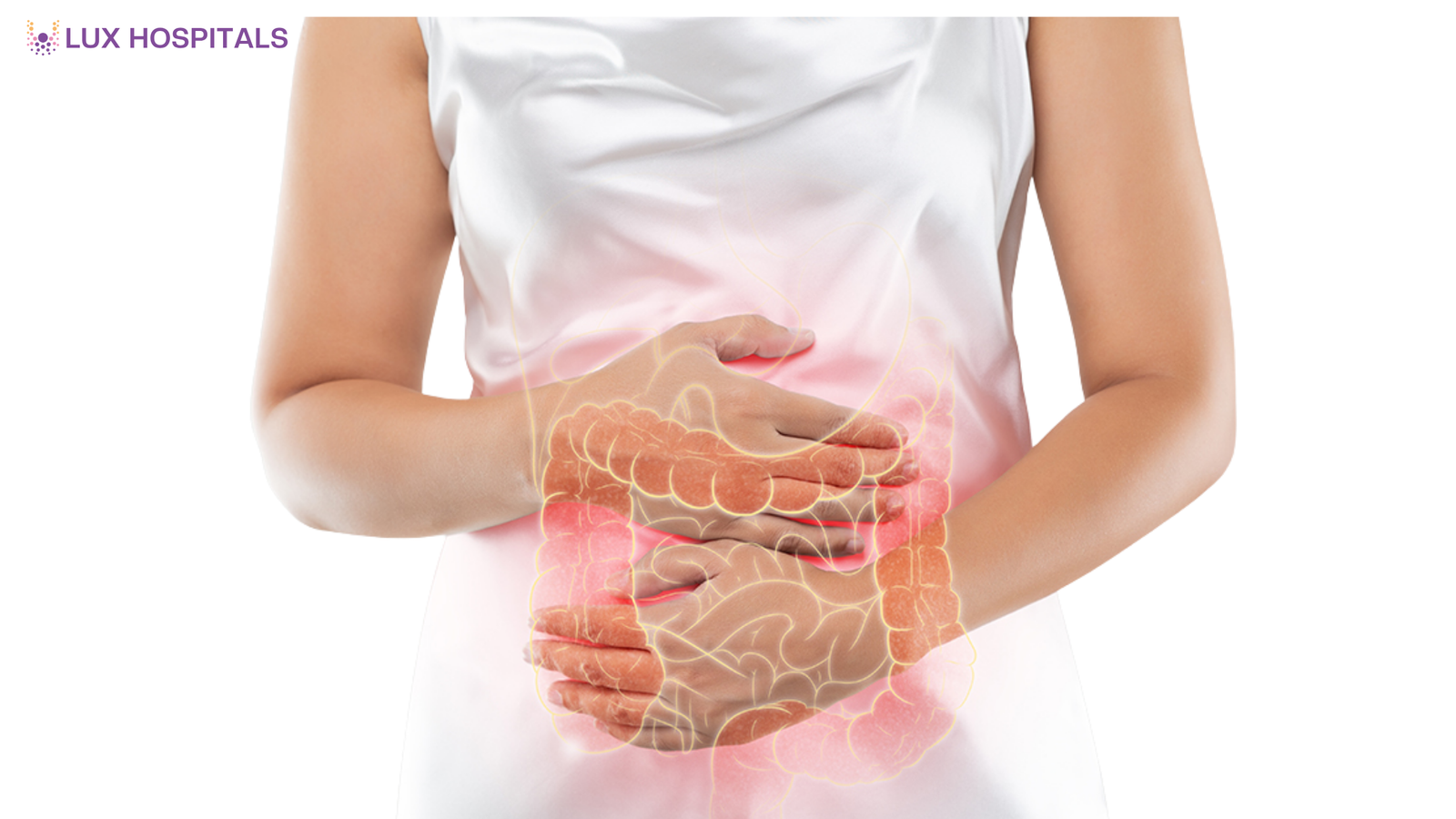
Ulcerative colitis is a chronic inflammatory bowel disease that affects the lining of the large intestine and rectum. While both men and women can develop this disorder, women may face additional obstacles owing to hormonal fluctuations, pregnancy, and reproductive health concerns. Early detection of ulcerative colitis symptoms can help prevent complications and enhance quality of life.At Lux Hospitals, our gastroenterology specialists provide comprehensive diagnosis and treatment for women experiencing digestive health issues. Understanding Ulcerative Colitis Symptoms can help women seek timely medical care and achieve better long-term outcomes.
What is Ulcerative Colitis?
Ulcerative colitis is an autoimmune condition that causes inflammation and ulcers in the colon. The disease often develops gradually and can lead to periods of flare-ups and remission.
Many women ignore early Ulcerative Colitis Symptoms, assuming they are temporary digestive problems. However, persistent symptoms require medical attention to prevent severe complications.
Common Causes and Risk Factors
Although the exact cause remains unknown, several factors may contribute:
- Immune system dysfunction
- Genetic predisposition
- Family history of inflammatory bowel disease
- Environmental triggers
- Gut microbiome imbalance
- Stress and lifestyle factors
Women with a family history of bowel disorders should watch for Ulcerative Colitis Symptoms and seek evaluation if they appear.
Major Ulcerative Colitis Symptoms Women Should Know
Recognising the warning signs can lead to earlier diagnosis and effective treatment.
1. Persistent Diarrhoea
One of the most noticeable Ulcerative Colitis Symptoms is frequent diarrhoea that can last for weeks or months, meaning you may need to use the bathroom much more often than usual, sometimes urgently, with stools that are often loose or watery.
Women may experience:
- Multiple bowel movements daily
- Urgency to use the restroom
- Loose or watery stools
- Difficulty controlling bowel movements
Persistent diarrhoea can significantly affect daily activities and overall well-being.
2. Blood in Stool
Blood in the stool is another important sign of ulcerative colitis. You might find bright red blood on toilet paper or mixed with the stool.
Women may notice:
- Bright red blood
- Blood mixed with stool.
- Blood on toilet paper
- Increased bleeding during flare-ups
Among all Ulcerative Colitis Symptoms, rectal bleeding should never be ignored and requires immediate medical attention.
3. Abdominal Pain and Cramping
Inflammation in the colon can make intestinal nerves more sensitive, leading to pain and discomfort. Symptoms may include:
- Lower abdominal pain
- Cramping before bowel movements
- Bloating
- Tenderness in the abdomen
These symptoms may worsen after meals or during flare-ups.
How Pain Affects Daily Life
Chronic abdominal pain can interfere with:
- Work productivity
- Physical activity
- Sleep quality
- Mental health
Seeking treatment early can help reduce discomfort and improve daily functioning.
4. Fatigue and Weakness
Many women overlook fatigue as a sign of intestinal disease, but chronic inflammation, blood loss, and poor nutrient absorption can all drain your energy. Common signs include:
- Constant exhaustion
- Reduced energy levels
- Difficulty concentrating
- Physical weakness
Fatigue is an often-overlooked symptom that can greatly affect quality of life.
Additional Ulcerative Colitis Symptoms in Women
Women may experience several other symptoms beyond digestive issues.
Weight Loss
When inflammation is uncontrolled, your appetite may decrease, and your body may not absorb nutrients properly, which can cause you to unexpectedly lose weight over time.
Loss of Appetite
Many women with active disease avoid eating due to fear of worsening symptoms.
Anemia
Chronic blood loss may lead to iron deficiency anaemia, causing:
- Dizziness
- Fatigue
- Pale skin
- Shortness of breath
These Ulcerative Colitis Symptoms may develop gradually and often require laboratory testing for confirmation.
Joint Pain
Inflammatory bowel diseases can sometimes cause your body’s immune system to attack the joints, leading to pain, stiffness, or swelling in areas such as the knees, ankles, or wrists.
Skin and Eye Problems
Some women may experience:
- Skin rashes
- Eye redness
- Eye pain
- Blurred vision
These extra-intestinal issues may occur alongside other symptoms.
How Ulcerative Colitis Affects Women’s Health
Women frequently have specific concerns about ulcerative colitis.
Menstrual Changes
Disease flare-ups may disrupt menstrual cycles and cause discomfort during periods.
Pregnancy Concerns
Active disease during pregnancy may increase some hazards. Proper illness care prior to and during pregnancy is critical for the mother’s and the fetus’s health.
Emotional Well-Being
Living with chronic digestive symptoms can impact mental health.
Women may experience:
- Anxiety
- Depression
- Social isolation
- Reduced confidence
Managing Ulcerative Colitis Symptoms effectively can improve both physical and emotional health.
When Should Women See a Doctor?
Women should seek medical care if they experience:
- Persistent diarrhoea lasting more than a few days
- Blood in stool
- Severe abdominal pain
- Unexplained weight loss
- Ongoing fatigue
- Frequent bowel urgency
Early evaluation of Ulcerative Colitis Symptoms can prevent complications such as severe bleeding, colon damage, and nutritional deficiencies.
How Lux Hospitals Diagnose Ulcerative Colitis
At Lux Hospitals, specialists use advanced diagnostic techniques to identify the cause of digestive symptoms.
Diagnostic methods may include:
- Medical history review
- Physical examination
- Blood tests
- Stool analysis
- Colonoscopy
- Biopsy
- Imaging studies
Accurate diagnosis allows doctors to develop personalised treatment plans based on disease severity.
Treatment Options Available at Lux Hospitals
Treatment focuses on reducing inflammation, controlling symptoms, and preventing flare-ups.
Medications
Common treatments include:
- Anti-inflammatory drugs
- Immunosuppressants
- Biologic therapies
- Symptom-relieving medications
Nutritional Support
Dietary guidance can help reduce symptom triggers and improve overall health.
Lifestyle Modifications
Patients may benefit from:
- Stress management
- Regular exercise
- Adequate sleep
- Healthy eating habits
Surgical Treatment
In severe cases, surgery may be necessary when medications fail to control Ulcerative Colitis Symptoms. Lux Hospitals offers comprehensive care tailored to each patient’s condition and lifestyle needs.
Conclusion
Be aware of ulcerative colitis. Early recognition of symptoms is essential to avoid complications and maintain a healthy quality of life. Symptoms such as diarrhoea, blood in the stool, abdominal pain, exhaustion, and weight loss should not be overlooked. Women may encounter unique reproductive and hormonal challenges that require specialised care and treatment. Lux Hospitals’ skilled gastrointestinal team provides expert diagnosis, advanced treatment, and compassionate care for women with ulcerative colitis. If you have Ulcerative Colitis symptoms, receiving medical attention right away can improve your health and quality of life.
Frequently Asked Questions
The earliest ulcerative colitis Symptoms include recurrent diarrhoea, abdominal pains, a strong desire to pass stools, and the presence of blood in the stool on occasion. Some women may experience weariness and minor weight loss before their digestive troubles worsen. Early diagnosis can help avoid problems and enhance treatment outcomes.
Yes, active disease can have an impact on pregnancy outcomes if not treated properly. Women contemplating a pregnancy should work closely with their gastroenterologist to ensure illness control prior to conception. Effective therapy can promote a healthy pregnancy and lower risks.
Ulcerative colitis is a chronic illness with no permanent treatment. However, drugs, lifestyle adjustments, and specialised medical treatment can effectively reduce symptoms and keep them in remission for extended periods of time. Many patients can live healthy and productive lives with adequate care.
Lux Hospitals provides advanced diagnostic facilities, expert gastroenterologists, and personalised treatment programs to each patient. Our comprehensive approach emphasises symptom treatment, long-term illness management, and enhanced quality of life. We provide comprehensive care tailored to women's specific health needs.
You should visit Lux Hospitals if you experience ongoing diarrhoea, blood in stool, abdominal pain, unexplained weight loss, or persistent fatigue. Early evaluation can identify the cause of symptoms and prevent serious complications. Our specialists provide timely diagnosis and evidence-based treatment for optimal outcomes.


