











Everything You Need to Know About Irritable Bowel Syndrome
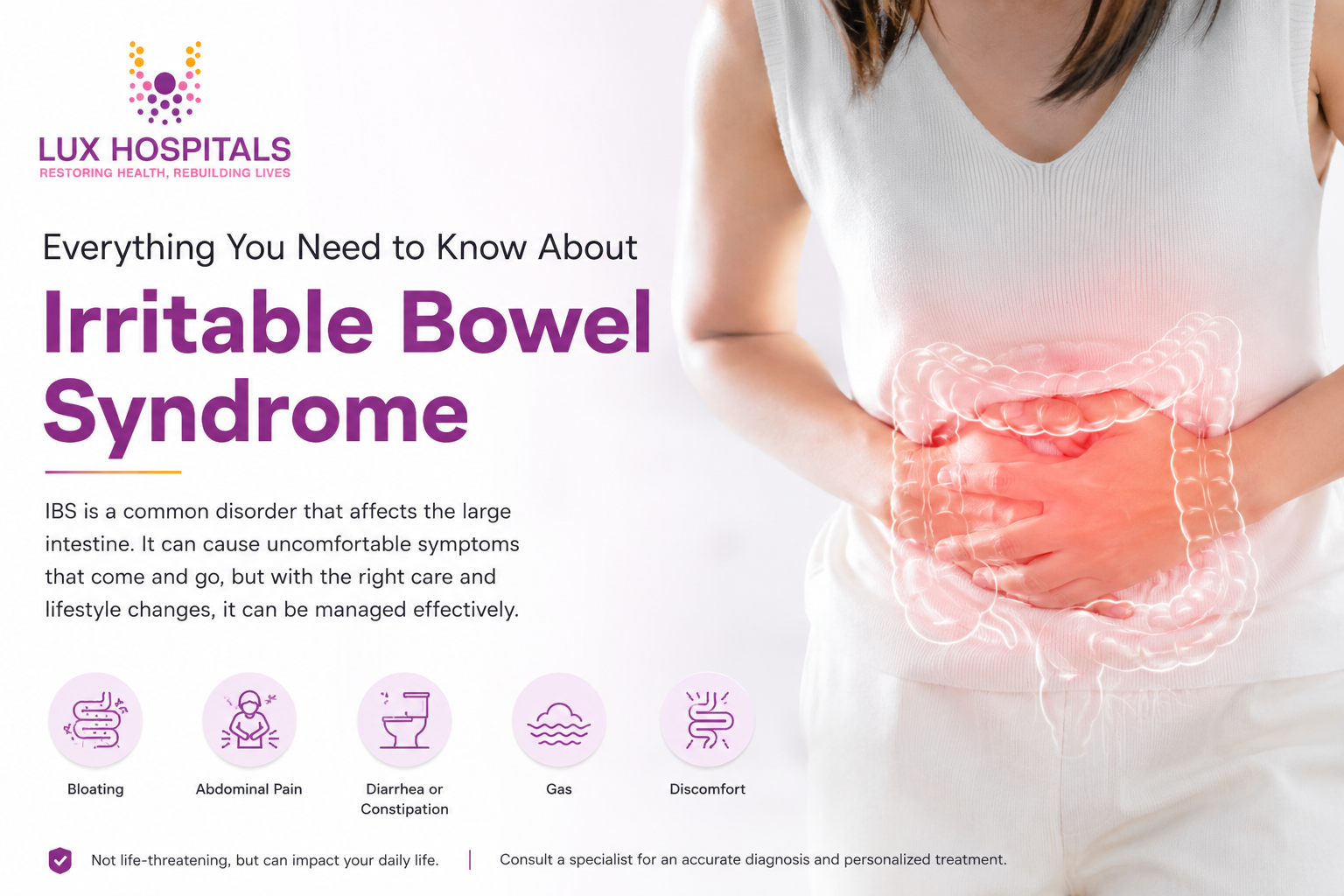
Digestive problems are common, but when symptoms such as abdominal pain, bloating, constipation, or diarrhoea occur repeatedly, they may indicate Irritable Bowel Syndrome. Many people ignore these symptoms, believing they are caused by stress or unhealthy eating habits. However, Irritable Bowel Syndrome can affect your daily routine, work, social life, and emotional well-being if left untreated. Irritable Bowel Syndrome is not life-threatening, but in order to enhance quality of life, it needs to be properly diagnosed and managed over time.

What is Irritable Bowel Syndrome?
A persistent condition called irritable bowel syndrome interferes with the large intestine’s normal function. Irritable Bowel Syndrome does not result in ulcers, bleeding, or irreversible digestive system damage, in contrast to Crohn’s disease or ulcerative colitis. Rather, it causes unpleasant digestive symptoms by interfering with the intestines’ ability to contract and assimilate food. Early identification is crucial for successful treatment because symptoms may come and go.
Common Features of Irritable Bowel Syndrome
- Recurring abdominal pain or cramping
- Bloating after meals
- Constipation
- Diarrhea
- Alternating constipation and diarrhoea
- Excessive gas
- Mucus in the stool
- Relief after passing stool
Early diagnosis helps prevent unnecessary discomfort and improves long-term digestive health.
What Causes Irritable Bowel Syndrome?
Although the exact cause of Irritable Bowel Syndrome remains unknown, researchers have identified several contributing factors that increase the likelihood of developing the condition.
Brain-Gut Communication Problems
The brain and digestive tract constantly communicate. When these signals are disrupted, the intestines may become overly sensitive, leading to pain and changes in bowel habits.
Abnormal Intestinal Muscle Contractions
The muscles in your intestines help move food through the digestive tract. Strong contractions may cause diarrhoea, while weak contractions may result in constipation.
Changes in Gut Bacteria
Healthy bacteria play an important role in digestion. An imbalance in gut microbiota may contribute to symptoms of Irritable Bowel Syndrome.
Stress and Emotional Health
Although stress, worry, and depression do not directly cause irritable bowel syndrome, they usually exacerbate pre-existing symptoms and produce flare-ups.
Food Sensitivities
Many people notice worsening symptoms after eating certain foods, such as:
- Spicy foods
- Fatty foods
- Dairy products
- Caffeine
- Carbonated drinks
- Alcohol
- Artificial sweeteners
Risk Factors
- Family history
- Women are more commonly affected.
- Age below 50 years
- Previous stomach infections
- Anxiety or depression
Symptoms of Irritable Bowel Syndrome
The symptoms of Irritable Bowel Syndrome vary from person to person. Some people experience mild discomfort, while others struggle with symptoms that affect work, travel, and everyday life.
Common Symptoms
- Abdominal pain or cramps
- Persistent bloating
- Diarrhea
- Constipation
- Alternating diarrhoea and constipation
- Excessive gas
- Mucus in stool
- Feeling of incomplete bowel emptying
- Sudden urge to pass stools
- Symptoms worsen after meals or during stress.
If these symptoms persist for several weeks or recur, consult a proctologists for proper evaluation.
How is Irritable Bowel Syndrome Diagnosed?
Since the symptoms of many digestive problems are similar, diagnosing Irritable Bowel Syndrome necessitates a thorough evaluation. Before prescribing tests, Lux Hospitals’ experts thoroughly consider your lifestyle, symptoms, and medical history.
Diagnostic Tests
- Complete medical history
- Physical examination
- Blood tests
- Stool examination
- Colonoscopy (when required)
- Upper GI endoscopy
- Food intolerance assessment
- Imaging studies
These tests help rule out serious digestive diseases and accurately confirm the diagnosis.
Treatment Options for Irritable Bowel Syndrome
Irritable bowel syndrome has no known cure, but with the correct care, symptoms can be greatly reduced, and your quality of life can be enhanced.
Lifestyle Changes
- Exercise regularly
- Sleep for 7–8 hours
- Reduce stress
- Eat meals on time
- Stay physically active
Dietary Changes
Doctors may recommend:
- High-fibre foods (for constipation)
- Low-FODMAP diet
- Drinking plenty of water
- Avoiding trigger foods
- Eating smaller meals frequently
Medications
Depending on symptoms, treatment may include:
- Antispasmodic medicines
- Fiber supplements
- Anti-diarrheal medications
- Laxatives
- Probiotics
- Medicines to manage anxiety when needed
Every treatment plan at Lux Hospitals is personalised based on the patient’s symptoms, medical history, and lifestyle.
Tips to Prevent Irritable Bowel Syndrome Flare-Ups
Adopting healthy practices helps lessen the frequency and intensity of flare-ups, even if Irritable Bowel Syndrome cannot always be prevented.
Prevention Tips
- Eat balanced meals regularly.
- Drink enough water
- Exercise daily
- Practice yoga or meditation.
- Identify food triggers
- Avoid overeating
- Limit caffeine and alcohol.
- Maintain a healthy weight.
- Schedule regular health check-ups.
Small lifestyle changes can make a significant difference in managing Irritable Bowel Syndrome.
Why Choose Lux Hospitals for Irritable Bowel Syndrome Treatment?
Every patient at Lux Hospitals should receive thorough, compassionate digestive care, in our opinion.
Why Patients Trust Lux Hospitals
Skilled proctologists Sophisticated diagnostic tools
- Tailored treatment regimens
- Nutritional guidance
- Contemporary technology
- Treatment based on evidence
- Care that is focused on the patient
- Long-term follow-up support
We focus on identifying the root cause of digestive symptoms and delivering treatments that improve long-term digestive health.
Conclusion
Irritable bowel syndrome is a common digestive condition that can significantly lower your quality of life if left untreated. Even if recurrent symptoms do not permanently damage the intestines, they might interfere with work, social activities, and mental health. For Irritable Bowel Syndrome to be effectively managed, early diagnosis, good eating practices, stress reduction, and professional medical care are crucial. Consult Lux Hospitals’ skilled proctologists if you frequently have digestive discomfort, bloating, constipation, diarrhoea, or persistent abdominal pain. To assist you in regaining your digestive health, our staff provides sophisticated diagnosis, individualised care, and sympathetic support.