









Best Doctor for Uterine Fibroids: What to Look For
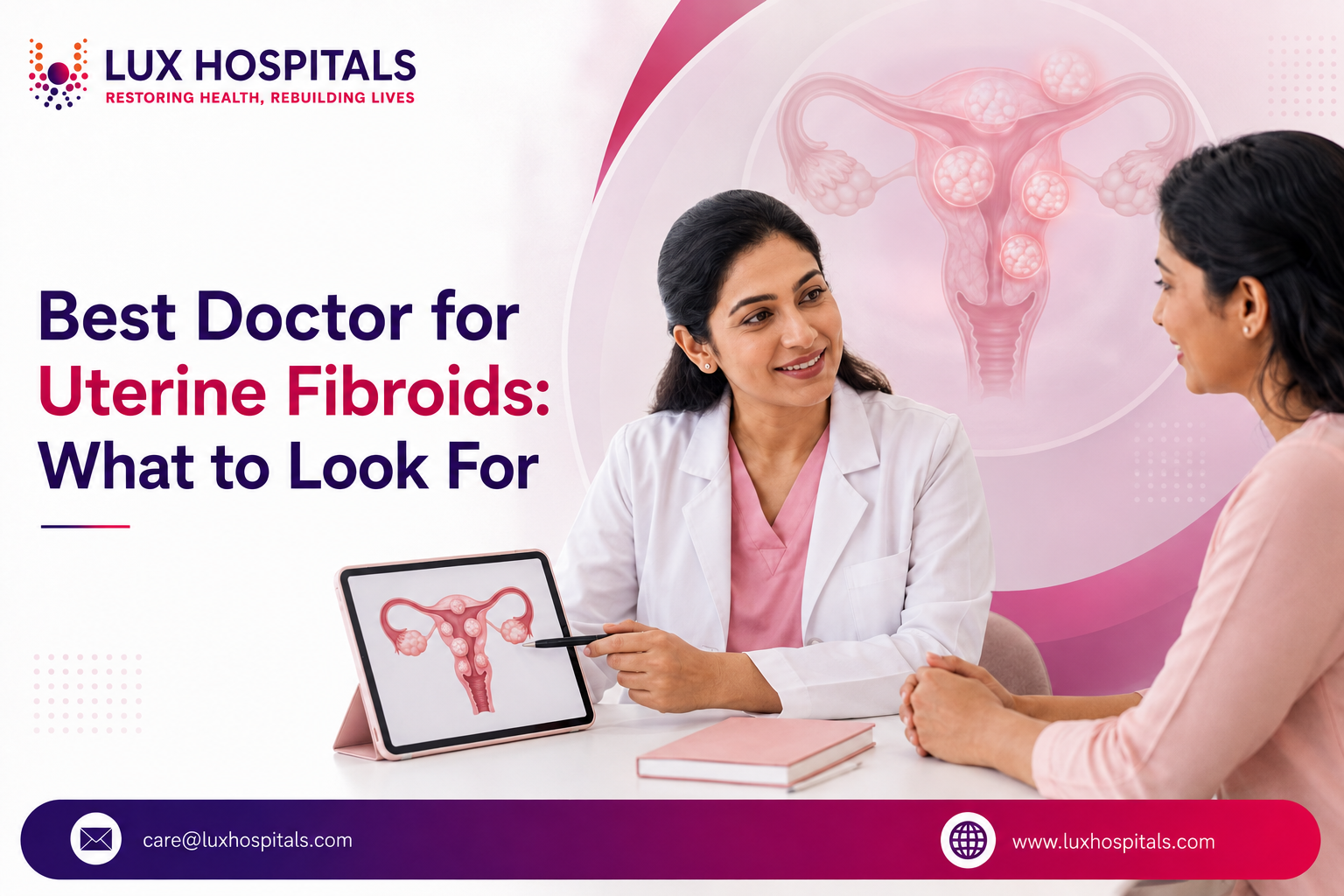
Uterine fibroids are common, non-cancerous growths that develop in or around the uterus. While some women have no symptoms, others may experience heavy periods, pelvic pain, pressure, frequent urination, constipation, or fertility concerns. Finding the Best Doctor for Uterine Fibroids can help you understand your condition and choose a treatment plan that aligns with your symptoms and future health goals. While some women may benefit from surgeries like myomectomy or other specialised therapies, others may merely require medication or monitoring.
At Lux Hospitals, the focus should be on understanding your symptoms, carefully evaluating the fibroids, and discussing treatment options that match your individual needs.
Why Choosing the Right Fibroid Doctor Matters
Finding the Best Doctor for Uterine Fibroids matters because fibroids affect every woman differently. Some are small and do not cause symptoms, while others can lead to heavy bleeding, anaemia, pelvic pressure, pain, or fertility problems.
The right doctor can help answer important questions such as:
- Do my fibroids need treatment?
- How many fibroids do I have?
- What are their size and location?
- Do fibroids cause my symptoms?
- Can medicines help control my symptoms?
- Do I need a procedure or surgery?
- Can treatment affect future pregnancy?
A proper diagnosis is the first step towards choosing the right treatment. Ultrasound is commonly used to confirm, measure, and map fibroids, while other tests may be used when needed.

1. Look for Experience in Diagnosing Uterine Fibroids
One of the first qualities to consider when choosing the Best Doctor for Uterine Fibroids is experience in diagnosing different types of fibroids. Fibroids may grow within the uterine wall, inside the uterine cavity, or on the outside of the uterus.
Understanding Fibroid Location Is Important
A fibroid’s location can influence its symptoms and treatment. Typical kinds include:
- Intramural fibroids: Grow within the muscular wall of the uterus.
- Submucosal fibroids: Grow towards the inner cavity of the uterus.
- Subserosal fibroids: Grow on the outer surface of the uterus.
- Pedunculated fibroids: Grow on a stalk inside or outside the uterus.
The Best Doctor for Uterine Fibroids should carefully assess the size, number, and location of the fibroids before recommending treatment. This evaluation helps create a more personalised plan.
2. Choose a Doctor Who Listens to Your Symptoms
The Best Doctor for Uterine Fibroids should take your symptoms seriously. Heavy periods shouldn’t be ignored as a normal part of life, especially when they affect your work, sleep, energy, or daily routine.
Common fibroid symptoms include:
- Heavy or prolonged menstrual bleeding
- Painful periods
- Pelvic pain or pressure
- Frequent urination
- Difficulty emptying the bladder
- Constipation
- Lower back pain
- Pain during sexual intercourse
- Enlarged abdomen
- Tiredness or weakness due to anaemia
Many fibroids cause no symptoms, but women with persistent pelvic pain, heavy bleeding, bleeding between periods, or symptoms that disrupt daily life should seek medical evaluation. Severe vaginal bleeding or sudden sharp pelvic pain requires prompt medical attention.
A good specialist will listen to your concerns, review your medical history, and investigate symptoms before deciding on the next step.
3. Find a Doctor Who Offers Personalised Treatment Options
The Best Doctor for Uterine Fibroids understands that treatment should depend on your symptoms and personal goals. Not every fibroid requires surgery, and no single treatment works best for everyone.
Treatment decisions may depend on:
- Your age and general health
- Size and number of fibroids
- Location of the fibroids
- Severity of bleeding or pain
- Whether the fibroids affect daily life
- Fertility and future pregnancy plans
- Previous treatments and their results
Women with small fibroids and no symptoms may only need regular observation. Medicines may help control heavy bleeding or pain, while some women may need procedures or surgery for larger or more troublesome fibroids.
Medication Options
Depending on the condition, medicines may help manage heavy bleeding and other symptoms. These treatments may control symptoms, but no medicine removes fibroids completely.
Surgical and Procedure Options
Treatment options may include:
- Myomectomy
- Hysteroscopic fibroid removal
- Hysterectomy in selected cases
- Uterine artery embolisation
- Radiofrequency ablation
For fibroids measuring 3 cm or more, a specialist evaluation may help determine further investigations and discuss suitable treatment options based on fibroid characteristics and symptoms.
4. Consider Fertility and Future Pregnancy Goals
For many women, fertility is an important factor when choosing the Best Doctor for Uterine Fibroids. If you plan to have children in the future, your doctor should discuss how the fibroids and different treatments may affect pregnancy plans. Some fibroids may not affect fertility, while others can interfere depending on their size and location. The doctor should carefully evaluate whether fibroids are likely to contribute to fertility problems because infertility can have several causes.
Myomectomy and Fertility
A myomectomy keeps the uterus intact while removing fibroids. For certain patients who want to keep their uterus, it might be taken into consideration. However, the size and location of the fibroids determine the method employed, and additional fibroids may appear later. The Best Doctor for Uterine Fibroids should clearly discuss your pregnancy goals before recommending treatment. This conversation helps you make an informed decision about your options.
5. Choose a Doctor Who Explains Every Treatment Clearly
The Best Doctor for Uterine Fibroids should explain your condition in simple, patient-friendly language. You should understand why a particular treatment is being recommended and what benefits and risks may apply.
Before treatment, ask your doctor:
- What type of fibroids do I have?
- How large are my fibroids?
- Where are they located?
- Do I need treatment now?
- What are my non-surgical options?
- When is surgery recommended?
- Will treatment affect future pregnancy?
- What can I expect during recovery?
A doctor who encourages questions and explains the available options can help you participate actively in your treatment decisions. Several options exist, and the right choice depends on your symptoms, fibroid characteristics, overall health, and personal preferences.
When Should You See a Doctor for Uterine Fibroids?
Don’t wait too long to seek medical advice if symptoms affect your quality of life. Consult a specialist if you experience persistent or severe symptoms.
Seek medical evaluation for:
Heavy Menstrual Bleeding
Anaemia from blood loss can be brought on by prolonged or exceptionally heavy periods, which can also make daily activities difficult.
Persistent Pelvic Pain
Ongoing pelvic pain or pressure should be evaluated to identify its cause.
Bleeding Between Periods
Unexpected bleeding may require medical assessment and should not be ignored.
Bladder or Bowel Symptoms
Large fibroids can sometimes put pressure on nearby organs, causing frequent urination or constipation.
Fertility Concerns
If you have difficulty becoming pregnant and have been diagnosed with fibroids, a specialist can assess whether the fibroids may be playing a role.
The Best Doctor for Uterine Fibroids can assess your symptoms and recommend appropriate tests and treatment based on your individual situation.
Why Choose Lux Hospitals for Uterine Fibroid Care?
Choosing Lux Hospitals for a consultation can help you take the first step towards understanding your symptoms and available treatment options. A proper evaluation may include reviewing your medical history, discussing your symptoms, performing a clinical examination when appropriate, and recommending relevant imaging or tests.
At Lux Hospitals, patients can discuss concerns related to:
- Heavy or painful periods
- Pelvic pain and pressure
- Fibroid diagnosis
- Treatment planning
- Fertility-related concerns
- Medical and surgical treatment options
- Recovery and follow-up care
The goal is to provide clear guidance and help patients understand their options before making an informed treatment decision.
conslusion
It takes more than just a name or title to choose the best doctor for uterine fibroids. Select a specialist who is knowledgeable about the many forms of fibroids, pays attention to your symptoms, assesses your fertility objectives, and provides comprehensive explanations of all suitable treatment options. The best course of action for your condition depends on whether you need monitoring, medication, a minimally invasive procedure, or surgery. A thorough consultation at Lux Hospitals enables you to confidently discuss your future course of action and comprehend your fibroids. When symptoms require medical attention, many treatment options are available for uterine fibroids.
Frequently Asked Questions
The best expert to consult is typically a gynaecologist with knowledge in fibroid diagnosis and treatment. You could also require a physician who specialises in fibroid surgery or minimally invasive gynaecology, depending on your condition. Your fibroid type, symptoms, and treatment needs will determine the best option for you.
If fibroids cause severe bleeding, anaemia, pelvic pain, pressure, infertility issues, or significant disturbance to everyday life, you could require treatment. Certain small, asymptomatic fibroids can be watched and may not require immediate treatment. After assessing your situation, an expert can suggest the best course of action.
Yes, some women can manage fibroid symptoms with observation, medicines, or selected non-surgical procedures. The right option depends on the size, location, number, and symptoms of the fibroids, as well as future pregnancy goals. Surgery may be recommended when symptoms are severe or other treatments are not suitable.
Lux Hospitals provides consultation and evaluation for women experiencing symptoms that may be related to uterine fibroids. The specialist can assess your condition, discuss relevant investigations, and explain suitable treatment options based on your diagnosis. Your treatment plan should be personalised to your symptoms, fibroid characteristics, and health goals.
You can contact Lux Hospitals to schedule a consultation if you have heavy periods, pelvic pain, pressure, abnormal bleeding, or other possible fibroid symptoms. During your visit, discuss your symptoms, medical history, fertility plans, and any previous reports with the treating specialist. Early evaluation can help you understand the cause of your symptoms and the treatment options available.