












Heavy Periods Treatment in Hyderabad: What to Discuss
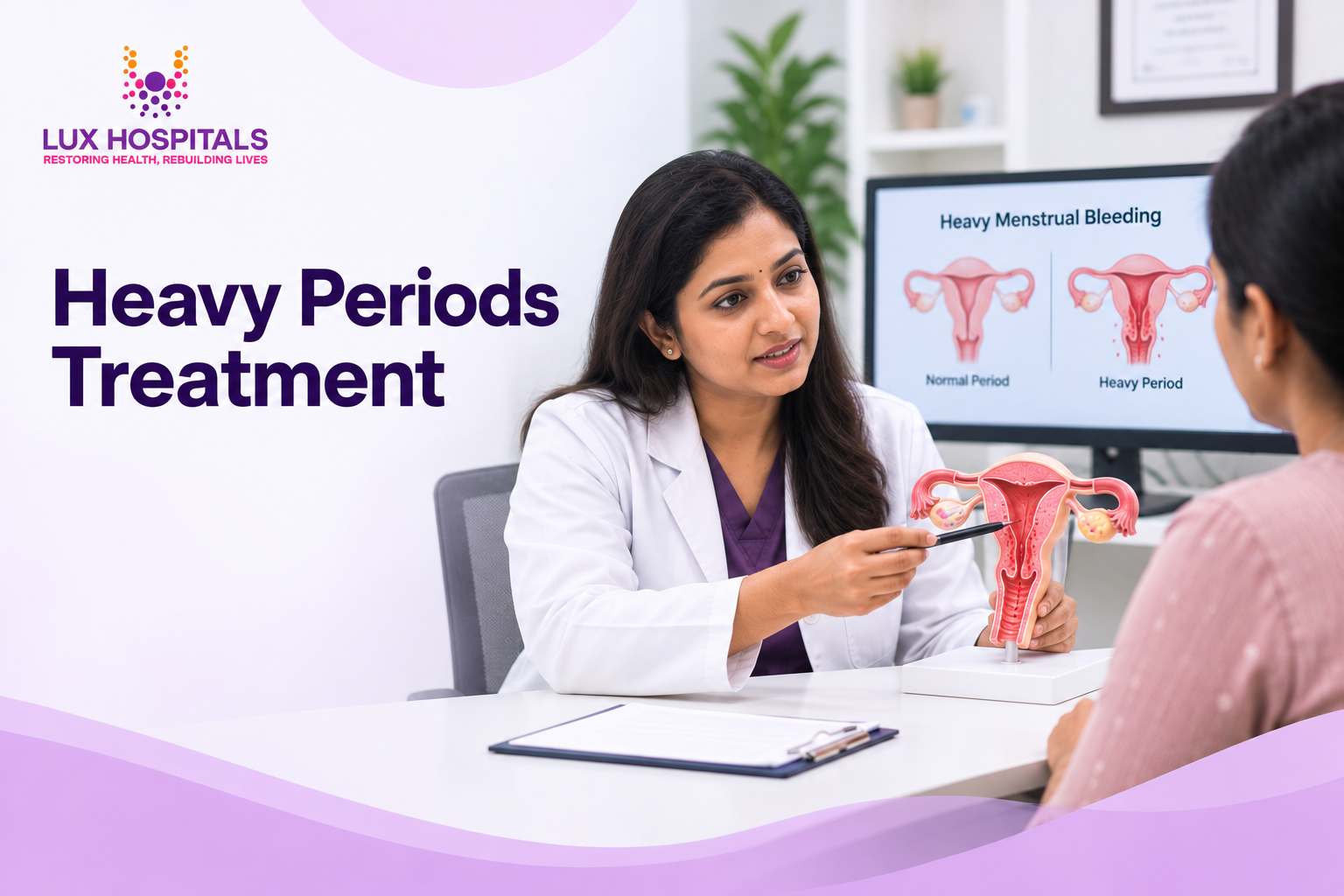
Heavy periods might influence your energy, work, sleep, emotions, and daily routine. While some women may experience less bleeding after taking medication, symptoms may occasionally persist or recur. Rather than continuing to self-medicate, persistent severe bleeding should be properly evaluated by a gynaecologist. If you are looking for heavy periods treatment in Hyderabad, your next gynaecology appointment is an opportunity to understand why the bleeding continues and whether your current treatment needs to change. The right approach depends on the cause, severity of bleeding, age, medical history, and future pregnancy plans.

When Should Heavy Periods Be Evaluated?
Not every heavy period indicates a serious condition, but persistent or unusually heavy bleeding should not be ignored. Your gynaecologist may ask about your menstrual pattern, how many days you bleed, how much blood you lose, pain, clots, fatigue, and previous treatments.
You should discuss your symptoms if:
- Your periods regularly last longer than expected.
- You need to change pads or tampons very frequently.
- You pass unusually large blood clots.
- Heavy bleeding interferes with work, sleep, travel, or daily activities.
- You feel tired, weak, dizzy, or breathless.
- Medicines provide only temporary relief.
- Heavy bleeding has started again after previously improving.
These details can help your doctor determine whether you need further investigation or a different heavy period treatment in Hyderabad.
Why Symptoms Can Continue Despite Medicines
Medicines may control bleeding without treating an underlying structural or hormonal cause. Conditions such as uterine fibroids, adenomyosis, endometriosis, thyroid-related problems, ovulation changes, polyps, or certain blood disorders can contribute to abnormal menstrual bleeding. That is why recurring symptoms may require a fresh evaluation instead of simply increasing or changing medication on your own.
What Should You Discuss During Your Gynaecology Visit?
A detailed conversation can make your appointment more useful. Don’t hesitate to describe your symptoms clearly, even if they feel difficult to discuss.
Tell your gynaecologist:
- How long your periods last – Mention whether your bleeding has become longer recently.
- How heavy the flow is – Explain how frequently you need to change menstrual products.
- Whether you pass clots – Mention their frequency and whether they are unusually large.
- Pain or pelvic pressure – Note cramps, pelvic discomfort, bloating, or pressure.
- Other symptoms – Include fatigue, dizziness, weakness, or changes in your cycle.
- Medicines you have already tried – Take your prescriptions or a list of medicines to your appointment.
- Your pregnancy plans – Future fertility goals can influence the treatment discussion.
This information can help your doctor develop a more suitable heavy period treatment plan in Hyderabad.
What Tests May Be Recommended?
Your doctor may recommend investigations based on your symptoms and medical history. You may not need every test, and your gynaecologist will decide what is appropriate.
Blood Tests
Blood tests may help assess conditions such as anaemia or other factors that could contribute to heavy menstrual bleeding. If you have been bleeding for a long time, your doctor may want to check whether your blood count has been affected.
Ultrasound
A pelvic ultrasound can help evaluate the uterus and ovaries. It may help locate anatomical causes of severe bleeding, such as fibroids, polyps, or other anomalies.
Additional Evaluation
Depending on your age, symptoms, medical history, and examination findings, your gynaecologist may recommend additional investigations. The goal is to identify the reason behind the bleeding before deciding on the most appropriate treatment. A proper diagnosis is an important part of effective heavy period treatment in Hyderabad.
What Treatment Options Can Be Discussed?
Treatment depends on the underlying cause and your individual needs. Your doctor may discuss medical treatment first, especially when symptoms aren’t caused by a condition requiring a procedure.
Depending on the diagnosis, treatment discussions may include:
- Medicines that help control menstrual bleeding.
- Hormonal treatment when appropriate.
- Treatment for anaemia or nutritional deficiencies.
- Management of thyroid or other underlying conditions.
- Procedures for certain structural causes.
- Surgical options when symptoms are severe or other treatments have not provided adequate relief.
No single treatment is right for every woman. A suitable heavy periods treatment in Hyderabad approach should consider both symptom control and the reason for the bleeding.
When Procedures May Be Discussed
Your gynaecologist may consider whether surgery could improve symptom control if heavy bleeding is associated with fibroids, polyps, adenomyosis, or another structural issue.
The choice can depend on:
- The size and location of the abnormality.
- Your symptoms.
- Your age and overall health.
- Previous treatments.
- Whether you want to become pregnant in the future.
- Your personal treatment preferences.
Your doctor should explain the expected benefits, limitations, risks, recovery, and alternatives before you decide.
How Can You Prepare for Your Next Appointment?
A little preparation can help you communicate your symptoms more clearly.
Before your men’s appointment. Note the number of menstrual products used, the first and last days of bleeding, days with heavy flow, clots, pain, and other symptoms.
Also keep a list of:
- Current medicines and supplements.
- Previous test reports.
- Previous ultrasound reports.
- Previous gynaecological treatments.
- Relevant medical conditions.
- Any previous procedures or surgeries.
You can also prepare questions such as:
- Why might my bleeding be continuing?
- Do I need any tests?
- Could fibroids or another condition be contributing?
- Are my current medicines still appropriate?
- Are there non-surgical options for me?
- Could treatment affect future pregnancy?
- What should I do if the bleeding becomes heavier?
Preparing these questions can make your consultation more productive and help you understand your heavy period treatment options in Hyderabad.
When Should Heavy Bleeding Need Urgent Medical Attention?
Very heavy bleeding followed by severe weakness, fainting, considerable dizziness, dyspnea, or severe pain should require rapid medical assistance. Do not continue taking medicines on your own simply because they helped during a previous episode. A change in symptoms may require reassessment. If you are experiencing persistent heavy periods, timely medical evaluation can help identify the cause and prevent the problem from being overlooked.
Why Choose Lux Hospitals for Heavy Periods Treatment in Hyderabad?
When choosing heavy periods treatment in Hyderabad, look for a hospital where your symptoms can be evaluated systematically rather than treated only as a menstrual inconvenience. At Lux Hospitals, a gynaecology consultation can help you discuss persistent bleeding, menstrual changes, pain, previous treatment response, and possible underlying causes. Your treatment plan should be based on your individual condition, not a one-size-fits-all approach. Depending on your evaluation, your gynaecologist can guide you on appropriate investigations, medical treatment, procedures, or further care. A detailed consultation can help identify the cause and what to consider next. For women searching for heavy periods treatment in Hyderabad, the first step is understanding the reason behind persistent bleeding and discussing suitable options with a qualified gynaecologist.
Conclusion
Heavy medical medical medical medical medical medical medical medical medical medical medical attention. At Lux Hospitals an underlying hormonal, structural, or medical problem that requires assessment may occasionally be connected to recurrent bleeding. Instead of repeatedly changing medicines without guidance, discuss your symptoms, previous treatment, test reports, future pregnancy plans, and concerns with your gynaecologist. With the right evaluation, you can make a more informed decision about heavy period treatment in Hyderabad and move towards care that addresses your individual needs.
Frequently Asked Questions
A period may be called heavy when bleeding is severe, lasts particularly long, necessitates frequent change of menstrual products, or interferes with everyday activities. Passing frequent large clots, experiencing significant fatigue, or repeatedly bleeding through clothes or bedding can also be important symptoms to discuss with a doctor.
Heavy bleeding may continue when the underlying cause has not been identified or when the current treatment is not sufficiently controlling the condition. Fibroids, adenomyosis, hormonal changes, polyps, thyroid problems, and other conditions can contribute to persistent menstrual bleeding. Your gynaecologist may recommend an examination or investigations before deciding whether your heavy period treatment in Hyderabad needs to change.
Yes, uterine fibroids can contribute to heavy or prolonged menstrual bleeding, depending on their size and location within the uterus. Some women may also experience pelvic pressure, pain, frequent urination, or other symptoms, while others may have no symptoms apart from heavier periods. If fibroids are suspected, your doctor can evaluate them and discuss suitable heavy period treatment options in Hyderabad based on your symptoms and reproductive plans.
Recommended tests depend on your age, symptoms, medical history, examination findings, and response to previous treatment. A doctor may consider blood tests to check for anaemia and imaging such as a pelvic ultrasound to look for structural causes affecting the uterus or ovaries. Additional tests may be recommended when needed to identify the cause and choose an appropriate heavy periods treatment plan in Hyderabad.
You should consider a gynaecology consultation when heavy bleeding continues, repeatedly returns, lasts longer than usual, or begins interfering with your daily activities. Symptoms such as severe weakness, dizziness, breathlessness, significant pain, or very heavy bleeding should receive prompt medical attention. A timely consultation can help identify the cause and determine whether you need medical, procedural, or other heavy periods treatment in Hyderabad.
Yes, you can discuss persistent or recurring heavy menstrual bleeding with the gynaecology team at Lux Hospitals. During the consultation, you can discuss your menstrual pattern, previous medicines, symptoms, test reports, and concerns about future fertility or treatment. Based on your evaluation, the gynaecologist can guide you regarding appropriate investigations and heavy periods treatment in Hyderabad.
Treatment for heavy periods depends on the underlying cause, symptom severity, medical history, and individual treatment needs. At Lux Hospitals, your consultation can focus on understanding why the bleeding continues and which treatment options may suit your condition. This personalised approach can help you make a more informed decision about heavy period treatment in Hyderabad.