Dr. Samhitha Reddy
Consultant Proctologist & Laparoscopic Surgeon
MBBS, MS, FMAS, FISCP, DMAS
- 8 Yrs
- ASCRS Member
By Dr. Tagore Grandhi · MBBS, MS, FRCS (UK), DLS (France) 19 May 2026 5 min read
Signs of a Liver Abscess can appear as fever, abdominal pain, fatigue, and weakness when pus-filled pockets form in the liver due to infection. Early diagnosis is crucial because delaying treatment can lead to serious complications. Recognising these warning signs helps patients seek timely medical care and avoid life-threatening conditions. Many people ignore mild discomfort […]
Signs of a Liver Abscess can appear as fever, abdominal pain, fatigue, and weakness when pus-filled pockets form in the liver due to infection. Early diagnosis is crucial because delaying treatment can lead to serious complications. Recognising these warning signs helps patients seek timely medical care and avoid life-threatening conditions. Many people ignore mild discomfort or persistent fever without realising these may indicate a liver infection. Understanding the early signs of a liver abscess can improve recovery and protect overall liver health.
At Lux Hospitals, experienced gastroenterologists and liver specialists provide advanced diagnostic and therapeutic solutions for liver abscesses, leveraging modern medical technology and patient-focused care.
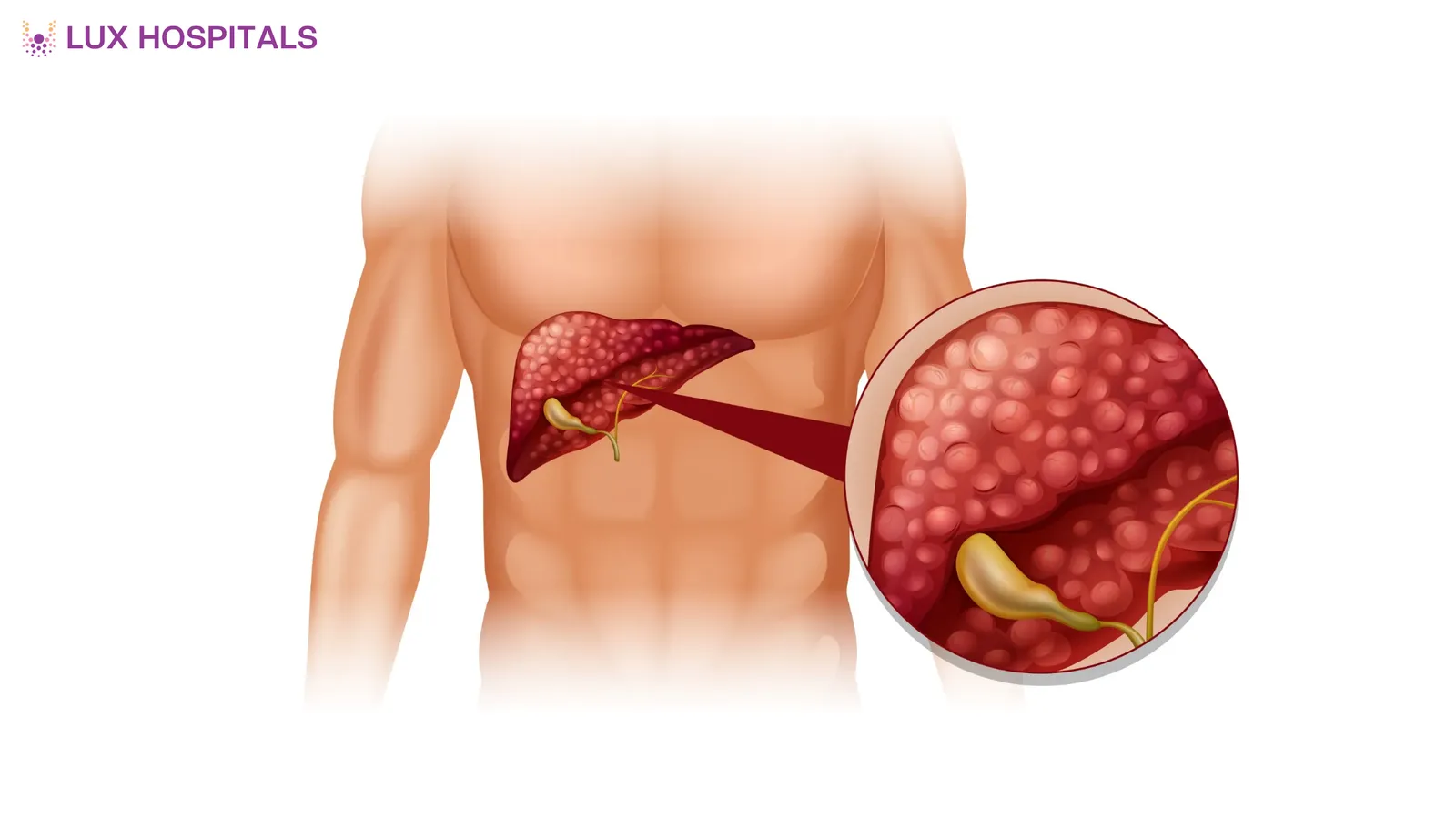
A liver abscess is a collection of infected fluid or pus inside the liver tissue. It usually develops when bacteria or parasites spread from another infection in the body to the liver. The condition can become dangerous if left untreated.
Recognising early signs enables patients to seek medical attention before complications arise.
Recognising early signs may help prevent severe liver damage and infection. Symptoms can develop gradually or suddenly, depending on the severity.
One of the earliest Signs of a Liver Abscess is persistent fever accompanied by chills. The body reacts to the infection by increasing temperature, which may worsen over time.
Because the liver is placed in the upper right abdomen, patients frequently notice pain or tenderness there. If the abscess gets bigger, this pain could get really bad.
Constant tiredness and low energy levels are common Signs of a Liver Abscess because the body is actively fighting the infection.
Many patients lose interest in food and may experience sudden weight loss due to infection and inflammation.
As the infection spreads to adjacent organs and impairs general digestive function, it may cause nausea, vomiting, and discomfort in the digestive tract.
Patients may occasionally develop yellowing of the skin and eyes. When an infection prevents the liver from functioning normally, jaundice results.
If these Signs of a Liver Abscess persist, immediate medical attention is necessary. Equally important is understanding the risk factors that may predispose individuals to this condition.
Certain medical conditions and lifestyle factors increase the chances of developing a liver abscess.
People with diabetes have weaker immunity, increasing their risk of infection.
Pre-existing liver conditions can make the liver more vulnerable to infection.
Cancer treatments, HIV, or long-term steroid use can weaken immunity.
Untreated abdominal infections can spread to the liver.
Parasitic infections from contaminated food or water can lead to amoebic liver abscesses.
Understanding these risks and monitoring the Signs of a Liver Abscess can help prevent complications through early intervention.
Doctors use several diagnostic methods to confirm the Signs of a Liver Abscess and identify the exact cause of infection.
Doctors check for:
Blood tests help detect:
Advanced imaging helps locate the abscess:
In some cases, doctors drain fluid from the abscess to identify the exact organism causing the infection.
At Lux Hospitals, advanced imaging technology and expert liver specialists ensure accurate diagnosis and faster treatment planning. Following diagnosis, it is vital to understand available treatment options and what patients can expect.
The treatment depends on the size, cause, and severity of the infection. Early treatment improves recovery and reduces complications.
Doctors prescribe strong antibiotics to control bacterial infections.
Large abscesses may require drainage using a needle or catheter guided by ultrasound or CT scan.
In rare cases, surgery may be needed if the abscess ruptures or does not respond to other treatments.
Patients may need:
Ignoring the Signs of a Liver Abscess can result in severe complications such as sepsis, liver failure, or the spread of infection to other organs.
Without timely treatment, a liver abscess can become life-threatening.
Seeking medical care immediately after noticing the Signs of a Liver Abscess greatly reduces these risks. Proactive steps can also help prevent liver abscesses from occurring in the first place.
Prevention plays an important role in maintaining liver health.
Patients should never ignore recurring fever or abdominal pain, especially when accompanied by other Signs of a Liver Abscess.
Recognising early signs is essential for preventing complications and ensuring prompt treatment. Symptoms like fever, abdominal pain, fatigue, and jaundice should never be ignored. Early diagnosis and treatment enable faster recovery and better liver health.
For the treatment of liver abscesses, skilled liver specialists at Lux Hospitals offer advanced diagnostic services, less-invasive treatment options, and thorough patient-centred care. Getting medical help right away will greatly enhance healing results if you or a loved one exhibits any signs of a liver abscess.
The earliest Signs of a Liver Abscess usually include fever, chills, fatigue, and upper-right abdominal pain. Some patients may also experience nausea, vomiting, or appetite loss during the early stages of infection. Prompt medical evaluation is important to prevent worsening complications.
Yes, untreated liver abscesses can lead to severe complications such as sepsis, liver failure, or rupture of the abscess. The infection may spread to other organs and become life-threatening if treatment is delayed. Recognising the Signs of a Liver Abscess early greatly improves recovery chances.
Treatment usually includes antibiotics, drainage procedures, and supportive medical care, depending on the severity of the infection. Large abscesses often require image-guided drainage to safely remove infected fluid. Early treatment helps patients recover faster and reduces long-term liver damage.
Lux Hospitals offers advanced diagnostic imaging, experienced liver specialists, and modern treatment options to effectively manage liver abscesses. The hospital focuses on early diagnosis, minimally invasive procedures, and personalised patient care for better recovery outcomes. Their expert team ensures comprehensive, safe liver care services.
Yes, Lux Hospitals offers comprehensive post-treatment care, which includes monitoring, dietary advice, medication administration, and routine health assessments. Their experts ensure patients heal fully and reduce the risk of complications or recurrence. Patients can preserve long-term liver health with ongoing medical care.

If you are considering weight-loss surgery, you may have several questions before deciding. Will your appetite reduce? Can reflux become worse? What happens years after surgery? Understanding these concerns can help you prepare for a safer and more informed treatment journey. Sleeve gastrectomy treatment involves removing a large portion of the stomach and creating a […]
14 October 2026

Losing weight is not always as simple as eating less and exercising more. Many people work hard to lose weight but find that the weight comes back or that their health problems continue. Today, there are different ways to treat obesity, including weight loss medicines and bariatric surgery. This can make the decision confusing. You […]
13 October 2026

Managing type 2 diabetes while also dealing with obesity can be challenging, especially when medicines, diet changes, and exercise do not provide the expected results. If blood sugar remains difficult to control and excess weight continues to affect your health, it may be time to discuss additional treatment options with a specialist. Metabolic surgery in […]
7 October 2026
Send your reports across and a senior surgeon will review them, explain the options and tell you honestly whether surgery is the right call.
Plot No.116, Lumbini Avenue, HITEC CITY, Near IKEA, Hyderabad – 500032