Dr. Samhitha Reddy
Consultant Proctologist & Laparoscopic Surgeon
MBBS, MS, FMAS, FISCP, DMAS
- 8 Yrs
- ASCRS Member
By Dr. Tagore Grandhi · MBBS, MS, FRCS (UK), DLS (France) 19 May 2026 5 min read
Globally, obesity is one of the biggest health concerns. Despite strict diets and exercise, many people struggle with excess weight. Sleeve gastrectomy offers effective, lasting results where lifestyle changes fall short. This advanced bariatric surgery improves health and quality of life by helping patients safely lose weight. Experienced bariatric surgeons at Lux Hospitals offer individualised […]
Globally, obesity is one of the biggest health concerns. Despite strict diets and exercise, many people struggle with excess weight. Sleeve gastrectomy offers effective, lasting results where lifestyle changes fall short. This advanced bariatric surgery improves health and quality of life by helping patients safely lose weight.
Experienced bariatric surgeons at Lux Hospitals offer individualised obesity treatment programs designed to help patients achieve long-term success. Patients can make informed decisions about their health journey by understanding the surgery, its advantages, and associated risks.
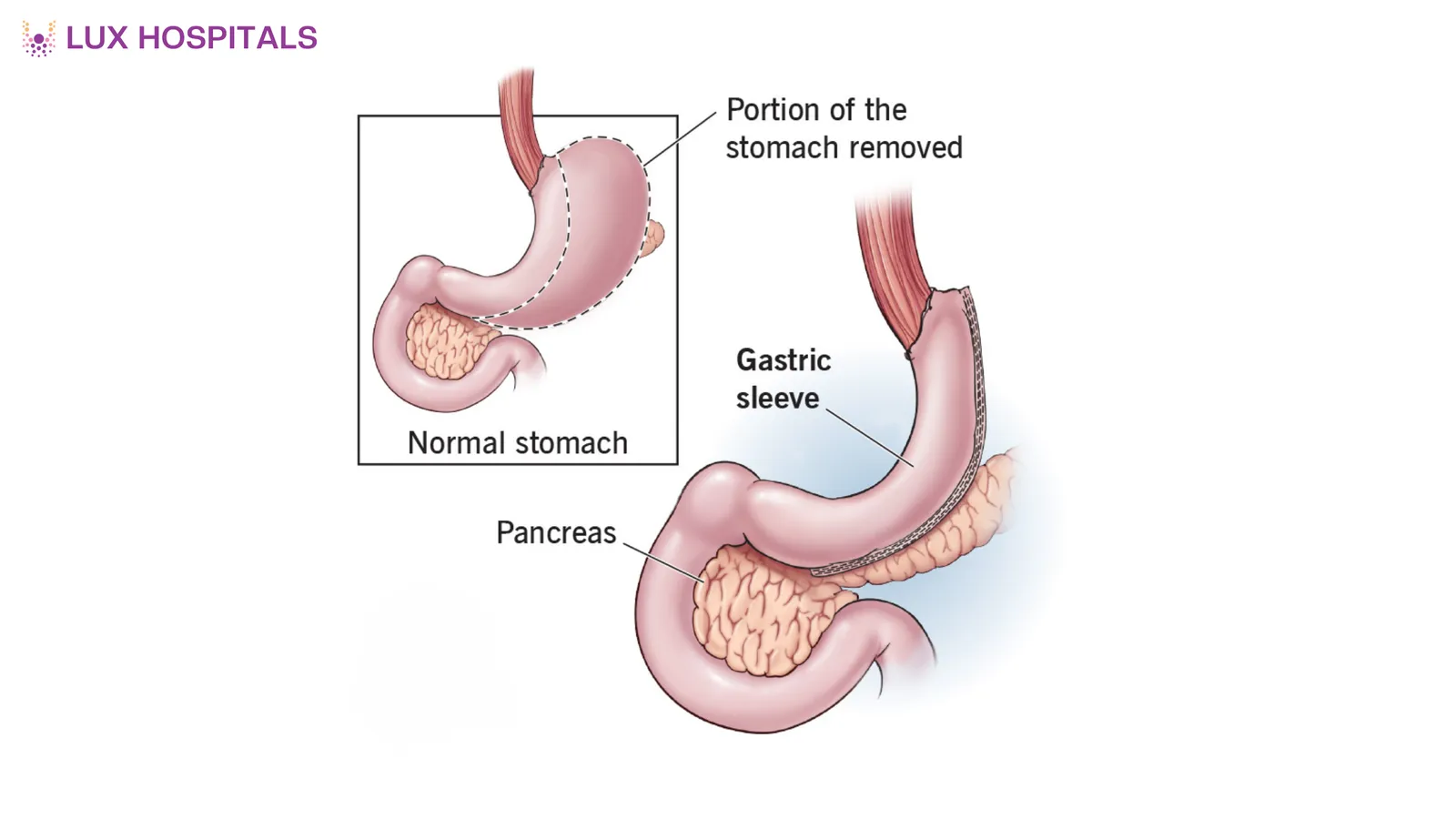
Sleeve Gastrectomy is a minimally invasive weight-loss surgery in which nearly 75–80% of the stomach is removed. The remaining portion of the stomach becomes a narrow tube or “sleeve.” As stomach size decreases, patients feel full more quickly and consume less food.
Additionally, this surgery helps patients naturally regulate their appetite by lowering the production of hunger hormones. One of the most popular bariatric procedures is the sleeve gastrectomy because it provides efficient, long-lasting weight loss.
The Sleeve Gastrectomy procedure is usually performed laparoscopically using small incisions. This minimally invasive approach helps reduce pain, blood loss, and recovery time.
Before surgery, doctors conduct:
Patients also receive dietary guidance before the surgery.
The patient is given general anaesthesia to ensure comfort throughout the procedure.
The surgeon removes nearly 75–80% of the stomach and reshapes the remaining portion into a sleeve-like structure.
The remaining stomach is sealed using surgical staples to create a smaller stomach pouch.
Patients are monitored carefully after surgery and are usually discharged within 2–3 days.
At Lux Hospitals, advanced surgical technology and experienced bariatric specialists ensure safe and effective Sleeve Gastrectomy procedures with personalised post-operative care.
One of the biggest advantages of Sleeve Gastrectomy is its ability to provide long-term weight loss while improving obesity-related health conditions.
Most patients lose 50–70% of excess body weight within the first 12–18 months after surgery.
Because the hunger hormone ghrelin decreases after Sleeve Gastrectomy, patients feel less hungry and can maintain healthier eating habits.
Many patients notice improved blood sugar levels shortly after surgery.
Weight loss helps reduce cholesterol levels and blood pressure.
Patients often experience relief from joint pain and increased physical activity.
Weight loss can improve self-esteem, social confidence, and emotional well-being.
Patients should:
The team at Lux Hospitals provides complete nutritional and lifestyle support to help patients maximise the benefits of Sleeve Gastrectomy.
Although Sleeve Gastrectomy is considered safe, every surgery carries some risks. Understanding potential complications helps patients better prepare and follow proper post-surgical care.
At Lux Hospitals, surgeons follow strict safety protocols to minimise complications. Patients receive:
Contact your doctor immediately if you experience:
You may be a suitable candidate for Sleeve Gastrectomy if:
A proper consultation at Lux Hospitals helps determine whether the surgery is the right option for your health goals.
It takes commitment and perseverance to live after a sleeve gastrectomy. Surgery is not a shortcut; it is a tool. Long-term results are higher for those who keep healthy habits.
Patients often report:
With proper medical guidance from Lux Hospitals, patients can achieve sustainable weight loss and healthier living.
Sleeve Gastrectomy is an effective and life-changing bariatric surgery that helps individuals struggling with obesity achieve long-term weight loss and better overall health. From reducing hunger to improving obesity-related diseases, the procedure offers multiple benefits when combined with healthy lifestyle changes. Experienced bariatric specialists at Lux Hospitals offer patients individualised treatment programs, advanced surgical care, and ongoing support during their weight-loss journey. Speaking with a reputable bariatric specialist will help you make the best choice for your future health if you are considering a sleeve gastrectomy.
Within the first 12 to 18 months following a sleeve gastrectomy, the majority of patients lose between 50 and 70 per cent of their excess body weight. Maintaining a balanced diet, exercising frequently, and receiving regular follow-up care are all necessary for the desired outcomes. Patients who closely adhere to dietary and medicinal recommendations have far better long-term outcomes.
Yes, Sleeve Gastrectomy is considered a permanent procedure because a large portion of the stomach is surgically removed. The stomach cannot return to its original size after surgery. Patients must commit to lifelong dietary and lifestyle changes to maintain successful results.
Most patients experience mild to moderate discomfort after Sleeve Gastrectomy, especially during the first few days of recovery. Pain is usually well controlled with medications and improves gradually as healing progresses. Minimally invasive laparoscopic techniques also help reduce pain and speed up recovery.
Lux Hospitals offers laparoscopic bariatric surgery, performed by experienced surgeons, with modern technology and personalised care. The focus is on safe, efficient procedures and ongoing weight management support. Their thorough approach delivers sustainable, healthy outcomes.
Yes, Lux Hospitals offers post-operative support, including nutrition counselling, follow-up, lifestyle advice, and recovery monitoring. Their bariatric care team guides patients toward healthy habits after surgery. Continuous support improves recovery, weight loss, and satisfaction.
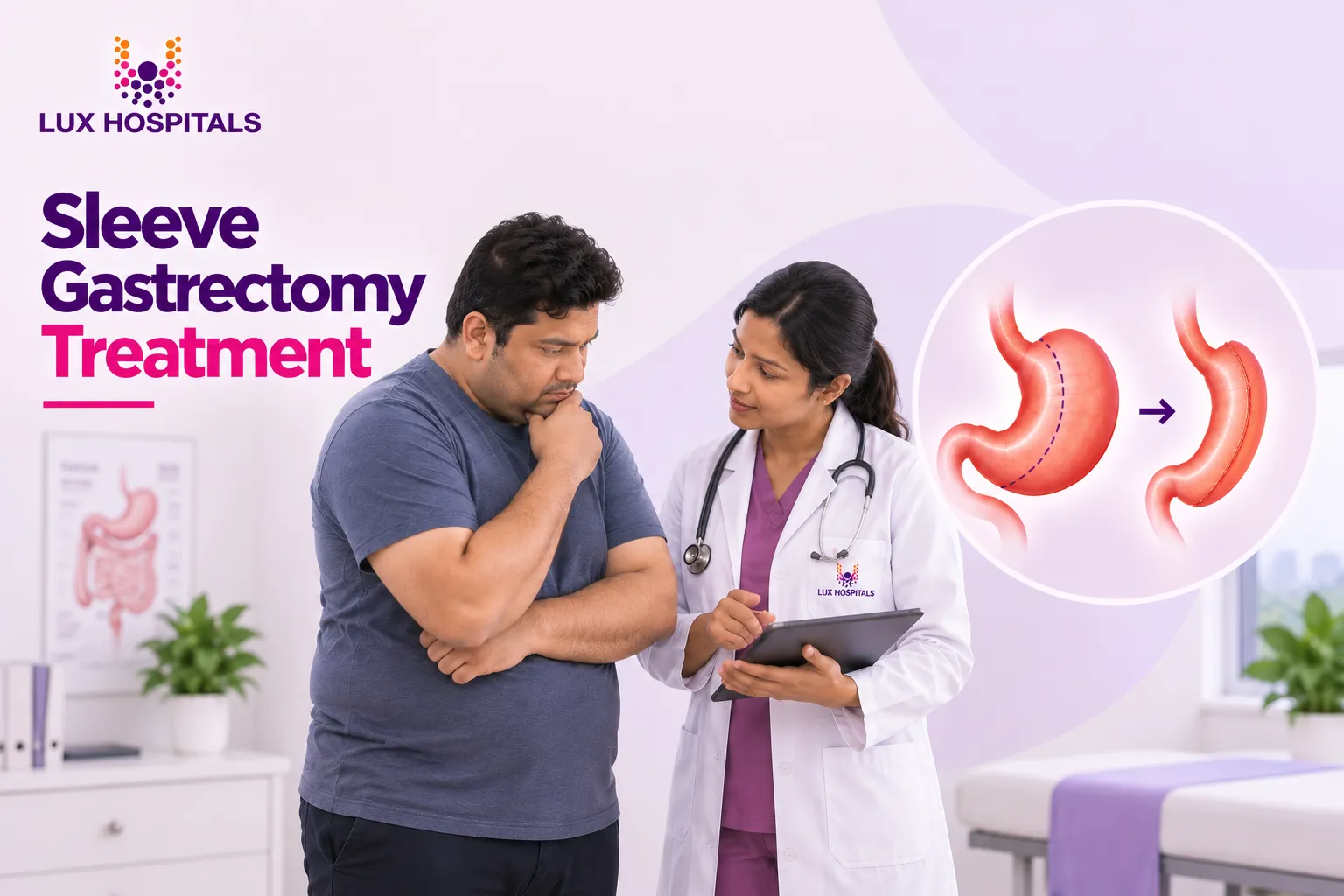
If you are considering weight-loss surgery, you may have several questions before deciding. Will your appetite reduce? Can reflux become worse? What happens years after surgery? Understanding these concerns can help you prepare for a safer and more informed treatment journey. Sleeve gastrectomy treatment involves removing a large portion of the stomach and creating a […]
14 October 2026
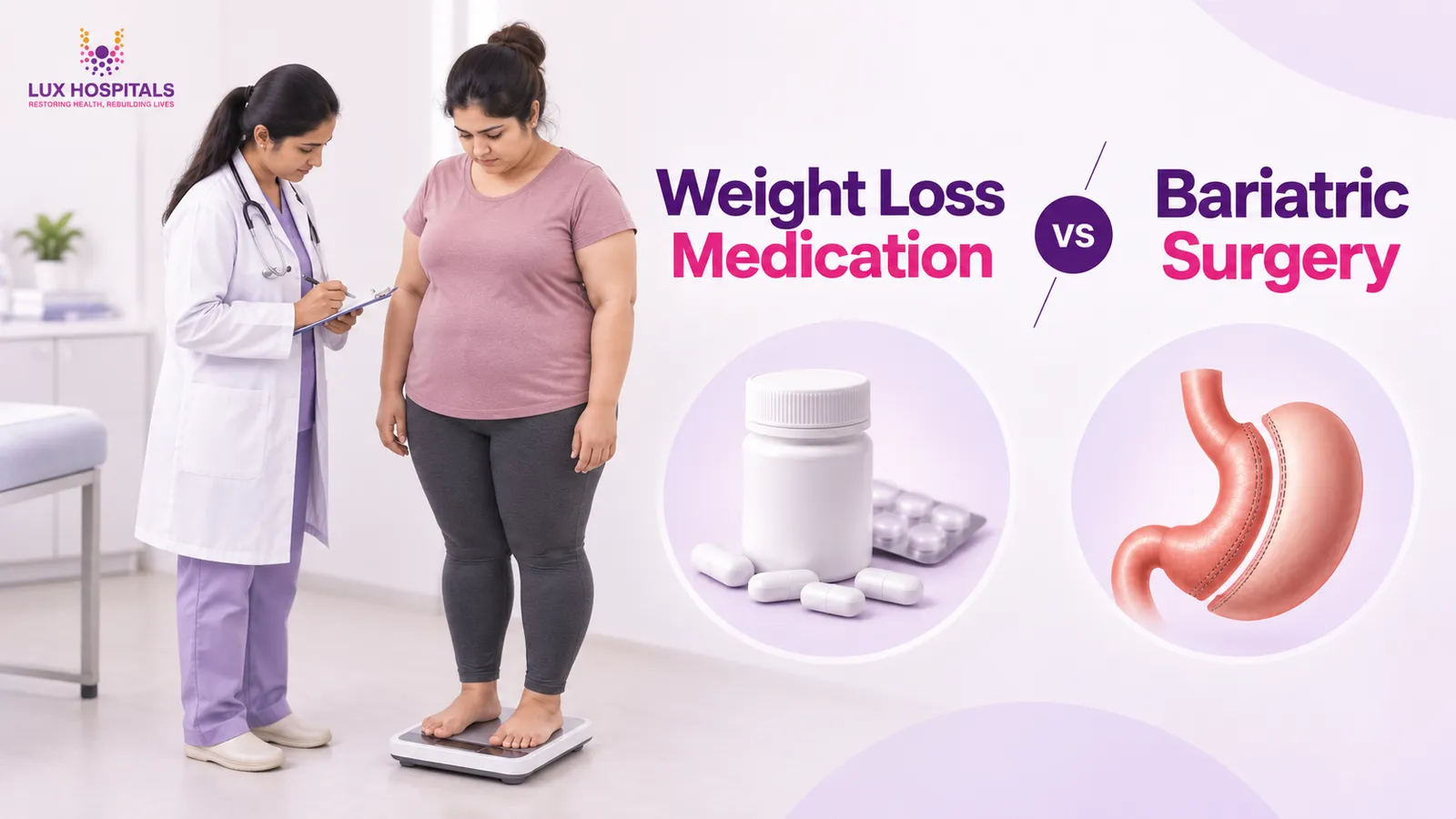
Losing weight is not always as simple as eating less and exercising more. Many people work hard to lose weight but find that the weight comes back or that their health problems continue. Today, there are different ways to treat obesity, including weight loss medicines and bariatric surgery. This can make the decision confusing. You […]
13 October 2026
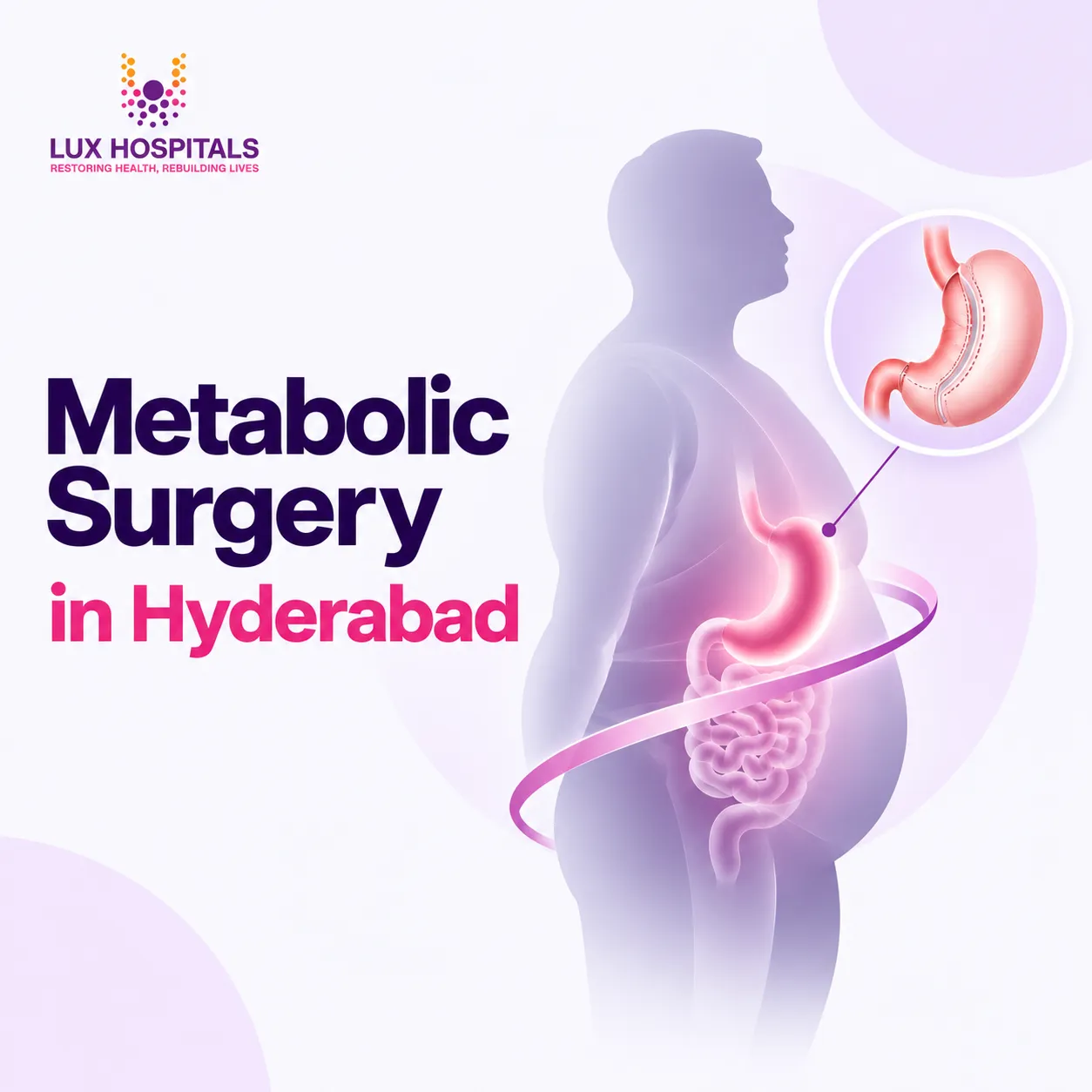
Managing type 2 diabetes while also dealing with obesity can be challenging, especially when medicines, diet changes, and exercise do not provide the expected results. If blood sugar remains difficult to control and excess weight continues to affect your health, it may be time to discuss additional treatment options with a specialist. Metabolic surgery in […]
7 October 2026
Send your reports across and a senior surgeon will review them, explain the options and tell you honestly whether surgery is the right call.
Plot No.116, Lumbini Avenue, HITEC CITY, Near IKEA, Hyderabad – 500032