











Can Kidney Stones Lead to Kidney Damage or Infection?
Kidney pain is often sudden, intense, and alarming. Many patients ignore early symptoms until the discomfort becomes unbearable. One of the most common causes behind this pain is Kidney Stones, a condition that affects people of all ages.
While some stones pass naturally, untreated or recurrent stones can cause serious complications. Yes — kidney stones can lead to kidney damage or infection if left unmanaged.
This guide explains how kidney stones form, when they become dangerous, how they cause infections or kidney damage, and what patients can do to protect their kidney health.
What Are Kidney Stones?
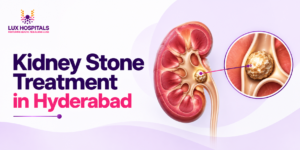
Kidney Stones are hard mineral and salt deposits that form inside the kidneys when urine becomes concentrated. Over time, these minerals crystallise and bind together, creating stones of different sizes.
Some stones block the flow of urine and cause pain, while others pass silently.
Common types of kidney stones include:
- Calcium stones
- Uric acid stones
- Struvite stones
- Cystine stones
Identifying the stone type helps doctors select the most appropriate treatment.
How Kidney Stones Affect Normal Kidney Function
The kidneys remove waste and extra fluid from the blood. When stones obstruct urine flow, pressure builds up inside the kidneys, straining tissues and reducing filtration efficiency.
Effects of blockage include:
- Swelling of the kidney (hydronephrosis)
- Reduced urine output
- Persistent pain and discomfort
- Increased risk of infection
Repeated obstruction increases the likelihood of long-term kidney problems.
Can Kidney Stones Cause Kidney Damage?
Yes, persistent or recurrent kidney stones can harm renal tissue. Chronic blockage weakens the kidney and may lead to scarring, impaired function, or irreversible damage.
Risk factors for kidney damage include:
- Untreated stones over long periods
- Stones in both kidneys
- Frequent recurrence
- Concurrent infections
Early medical intervention prevents most long-term complications.
Can Kidney Stones Lead to Kidney Infection?
Kidney stones create an ideal environment for bacterial growth. When urine stagnates, bacteria multiply quickly, leading to urinary tract infections (UTIs) and kidney infections (pyelonephritis).
Warning signs of infection include:
- Fever and chills
- Burning sensation during urination
- Cloudy or foul-smelling urine
- Severe back or side pain
A kidney infection combined with stones is a medical emergency and requires immediate care.
Why Infected Kidney Stones Are Dangerous?
Infected kidney stones can allow bacteria to enter the bloodstream, causing sepsis, a life-threatening condition. The risk is higher in elderly patients, diabetics, and those with weak immunity.
Potential complications include:
- Rapid kidney function decline
- Bloodstream infection
- Hospitalisation and IV antibiotics
- Surgical stone removal
Prompt diagnosis and treatment significantly reduce these risks.
Symptoms That Should Never Be Ignored
Early symptoms are important indicators that kidney stones may be causing damage or infection. Seek medical attention if you notice:
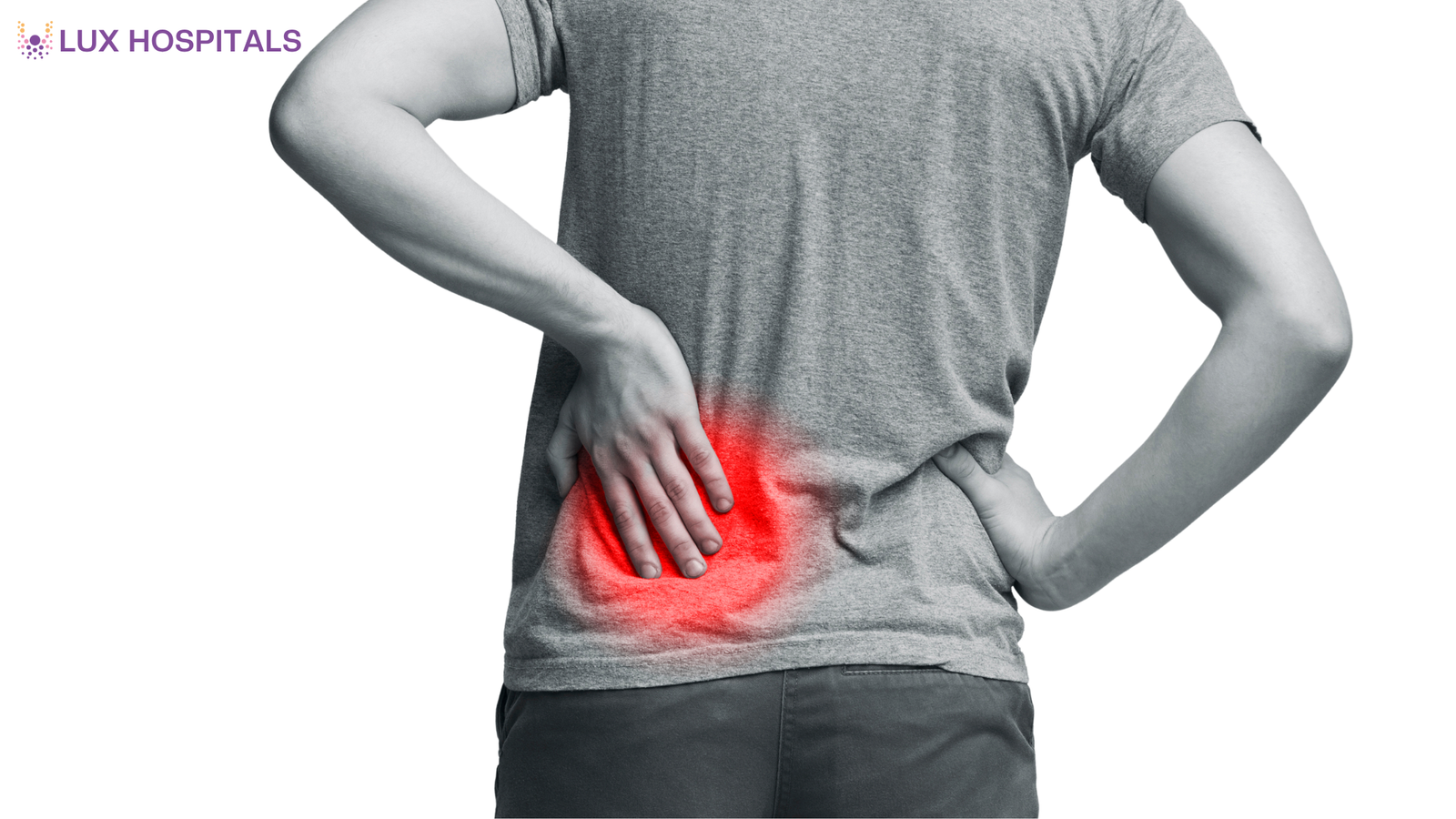
- Persistent flank or abdominal pain
- Blood in urine
- Fever with urinary symptoms
- Difficulty passing urine
Early evaluation protects kidney function and shortens recovery time.
How Doctors Diagnose Kidney Stones and Complications?
Doctors use imaging and lab tests to evaluate stone size, location, and associated damage.
Diagnostic tools include:
- Ultrasound
- CT scan
- Urine analysis
- Blood tests
Accurate diagnosis guides safe and effective treatment planning.
Treatment Options for Kidney Stones
Treatment depends on stone size, type, and associated conditions. Small stones may pass naturally with hydration, while larger or complicated stones require medical intervention.
Common treatments include:
- Medications to ease stone passage
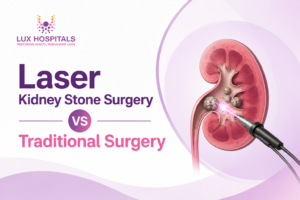
- Shock wave lithotripsy
- Ureteroscopy
- Percutaneous stone removal
Early treatment prevents kidney damage and recurrent infections.
How to Prevent Kidney Damage from Kidney Stones?
Prevention is key to protecting kidney health. Simple lifestyle changes reduce the risk of recurrence.
Helpful preventive measures:
- Drink adequate water daily
- Limit salt and excess protein
- Follow dietary advice based on stone type
- Attend regular follow-ups
Prevention reduces the risk of recurrent stones and long-term kidney complications.
Conclusion
Kidney Stones are more than a painful condition — they can threaten kidney health if ignored. While many stones pass naturally, delayed treatment increases the risk of kidney damage and serious infections. Recognising symptoms early and seeking care helps protect long-term kidney function.
At Lux Hospital, specialists provide patient-focused care, advanced diagnostics, and minimally invasive treatments. With timely intervention and expert guidance, patients can safely manage kidney stones and prevent complications. Protect your kidneys today for better health tomorrow.
Frequently Asked Questions
Kidney stones can cause permanent kidney damage if they block urine flow for a long time. Continuous pressure inside the kidney reduces filtration ability and damages tissues. Repeated, untreated stones significantly increase the risk. Early diagnosis usually prevents lasting harm.
Urine is trapped behind kidney stones, which promotes rapid bacterial growth. This sluggish urine becomes a breeding ground for infection. Bacteria can enter the kidneys through the urinary tract. Early intervention stops the spread of infection.
Yes, kidney infections linked to kidney stones can become serious quickly. Infection may spread to the bloodstream, causing sepsis. This condition requires urgent hospitalisation and antibiotics. Early stone removal reduces severe outcomes.
You should worry if kidney stones cause persistent pain, fever, or difficulty urinating. Blood in urine or repeated infections are warning signs. These symptoms indicate possible blockage or infection. Immediate medical evaluation is recommended.
Treating kidney stones early often restores normal kidney function completely. Removing blockage reduces pressure and improves urine flow. Recovery depends on how long the damage existed. Regular follow-ups ensure long-term kidney health.