











Top 7 Mistakes That Delay Anal Fissure Healing
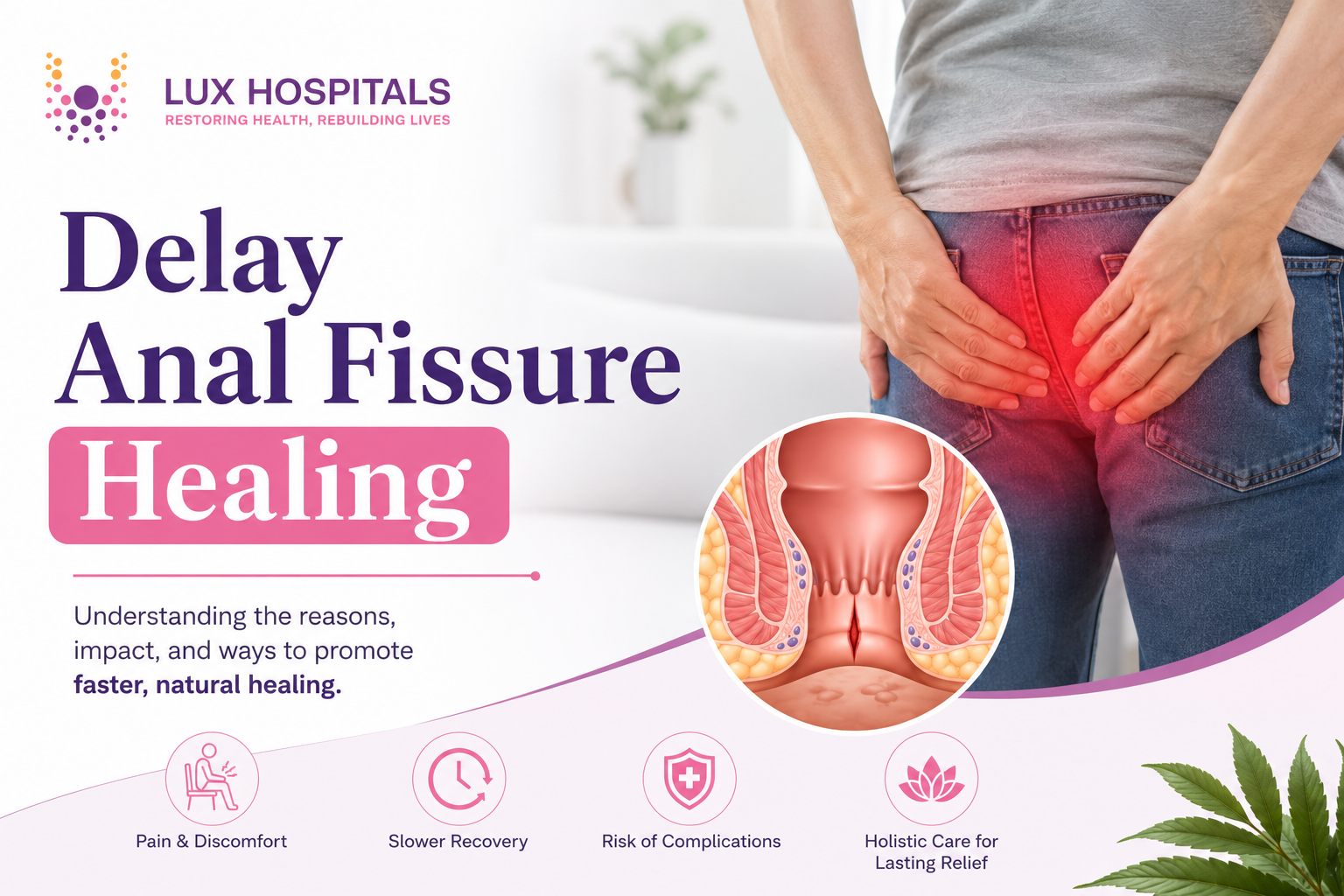
During bowel motions, anal fissures—tiny tears in the lining of the anus—can result in excruciating discomfort, burning, and bleeding. Even though many fissures heal with the right care, some develop into chronic conditions as a result of patients’ unintentional blunders that impede the healing of anal fissures. Prolonging suffering and raising the risk of problems can be achieved by ignoring symptoms, postponing treatment, or using the wrong home remedies. Understanding the causes of delayed Anal Fissure Healing can help you recover faster and avoid unnecessary suffering.

Why is Anal Fissure Healing Important?
Anal Fissure Healing is not just about reducing pain. Proper healing restores healthy tissue, prevents infection, minimises the risk of chronic fissures, and improves your quality of life. When a fissure remains untreated, it can lead to repeated pain, muscle spasms, and difficulty passing stools. With proper care, most acute fissures heal in a few weeks. On the other hand, sophisticated techniques or surgery can be required if healing is delayed. These issues can be avoided with early medical care at Lux Hospitals.
Top 7 Mistakes That Delay Anal Fissure Healing
Anal fissures can become painful and long-lasting when common healing mistakes are ignored. Understanding these mistakes can help you recover faster, reduce pain, and prevent the fissure from becoming a chronic condition that requires advanced treatment.
1. Ignoring Symptoms for Too Long
Many people assume anal pain will disappear on its own. Unfortunately, delaying treatment is one of the biggest reasons Anal Fissure Healing becomes difficult.
Common symptoms anal fissure include:
- Sharp pain during bowel movements
- Bright red blood on toilet paper
- Burning sensation
- Itching around the anus
- Pain lasting several hours after passing stool
Ignoring these warning signs allows the fissure to deepen, making treatment more complicated.
Why Early Treatment Matters?
Early diagnosis allows doctors to recommend medications, dietary changes, and lifestyle modifications before the fissure becomes chronic.
2. Continuing to Eat a Low-Fibre Diet
A poor diet is one of the most common reasons for delayed Anal Fissure Healing.
Low-fibre foods cause hard stools that repeatedly reopen the tear every time you pass stool.
Foods That Help Healing
Include:
- Fresh fruits
- Green vegetables
- Whole grains
- Oats
- Lentils
- Beans
- Seeds
Drink 2–3 litres of water daily to soften stools naturally.
Foods to Limit
- Processed foods
- Fried snacks
- Fast food
- Excess cheese
- Sugary desserts
A balanced diet significantly improves Anal Fissure Healing and reduces pain.
3. Straining During Bowel Movements
Excessive straining places pressure on the anal canal and repeatedly damages healing tissue.
People often strain because of:
- Chronic constipation
- Sitting too long on the toilet
- Poor hydration
- Lack of exercise
Tips to Avoid Straining
- Never ignore the urge to pass stool.
- Use a footstool to improve posture.
- Increase fiber intake gradually.
- Stay physically active.
- Use stool softeners only if your doctor advises them.
Reducing strain greatly supports Anal Fissure Healing and prevents recurrence.
4. Depending Only on Home Remedies
Warm sitz baths may provide temporary relief, but relying solely on natural remedies without seeking medical advice may delay Anal Fissure Healing.
Many patients use:
- Coconut oil
- Aloe vera
- Petroleum jelly
- Herbal creams
While some remedies may reduce discomfort, they do not treat underlying muscle spasms or chronic fissures.
When Should You See a Doctor?
- Pain lasts longer than two weeks.
- Bleeding continues
- Symptoms keep returning
- Home treatments fail
Lux Hospitals offers advanced, minimally invasive treatments for faster recovery.
5. Not Following the Complete Treatment Plan
Some patients stop medicines once the pain improves.
Unfortunately, symptoms often disappear before complete Anal Fissure Healing occurs.
Doctors may prescribe:
- Topical ointments
- Pain-relieving medications
- Stool softeners
- Muscle-relaxing creams
Stopping treatment too early increases the chance of recurrence.
Always complete the prescribed course even if you start feeling better.
6. Ignoring Chronic Constipation
Constipation remains one of the biggest obstacles to Anal Fissure Healing.
Every hard bowel movement can reopen the healing wound.
Prevent Constipation By
- Drinking plenty of water
- Eating fiber-rich foods
- Walking daily
- Managing stress
- Following regular meal timings
Proper bowel habits improve healing naturally.
7. Delaying Specialist Consultation
Many patients feel embarrassed discussing anal problems.
This delay often turns an easily treatable fissure into a chronic condition requiring surgery.
At Lux Hospitals, experienced colorectal specialists perform detailed evaluations while ensuring complete patient privacy and comfort.
Modern treatments include:
- Medical management
- Botox therapy
- Laser procedures
- Lateral Internal Sphincterotomy (LIS), when necessary
Seeking timely care promotes quicker Anal Fissure Healing and prevents complications.
How Lux Hospitals Helps in Anal Fissure Healing
Lux Hospitals offers comprehensive care, including cutting-edge diagnostics and evidence-based therapies.
Our specialists focus on:
Accurate Diagnosis
We identify whether the fissure is acute or chronic and recommend personalised treatment.
Advanced Treatment Options
Our minimally invasive procedures reduce pain, shorten recovery time, and improve outcomes.
Personalised Diet Counselling
Our experts help patients adopt healthy eating habits that promote long-term Anal Fissure Healing.
Complete Follow-Up Care
Regular follow-ups ensure proper healing and reduce the risk of recurrence.
Tips for Faster Anal Fissure Healing
To improve Anal Fissure Healing, remember these simple habits:
- Eat high-fibre meals every day.
- Drink enough water.
- Avoid constipation.
- Do regular physical activity.
- Take warm sitz baths.
- Follow your doctor’s instructions.
- Complete prescribed medications.
- Attend follow-up appointments.
Consistency is the key to successful recovery.
Conclusion
Ignoring symptoms, poor dietary habits, constipation, and delayed treatment are among the biggest reasons that take longer than expected. Fortunately, most fissures respond well to timely medical care and healthy lifestyle changes. Seeking expert treatment early reduces pain, prevents complications, and improves long-term recovery.
At Lux Hospitals, our experienced specialists provide compassionate, patient-centred care with advanced treatment options designed to support faster Anal Fissure Healing and help you return to a comfortable, healthy life.