











When Do Uterine Fibroids Need Surgery?
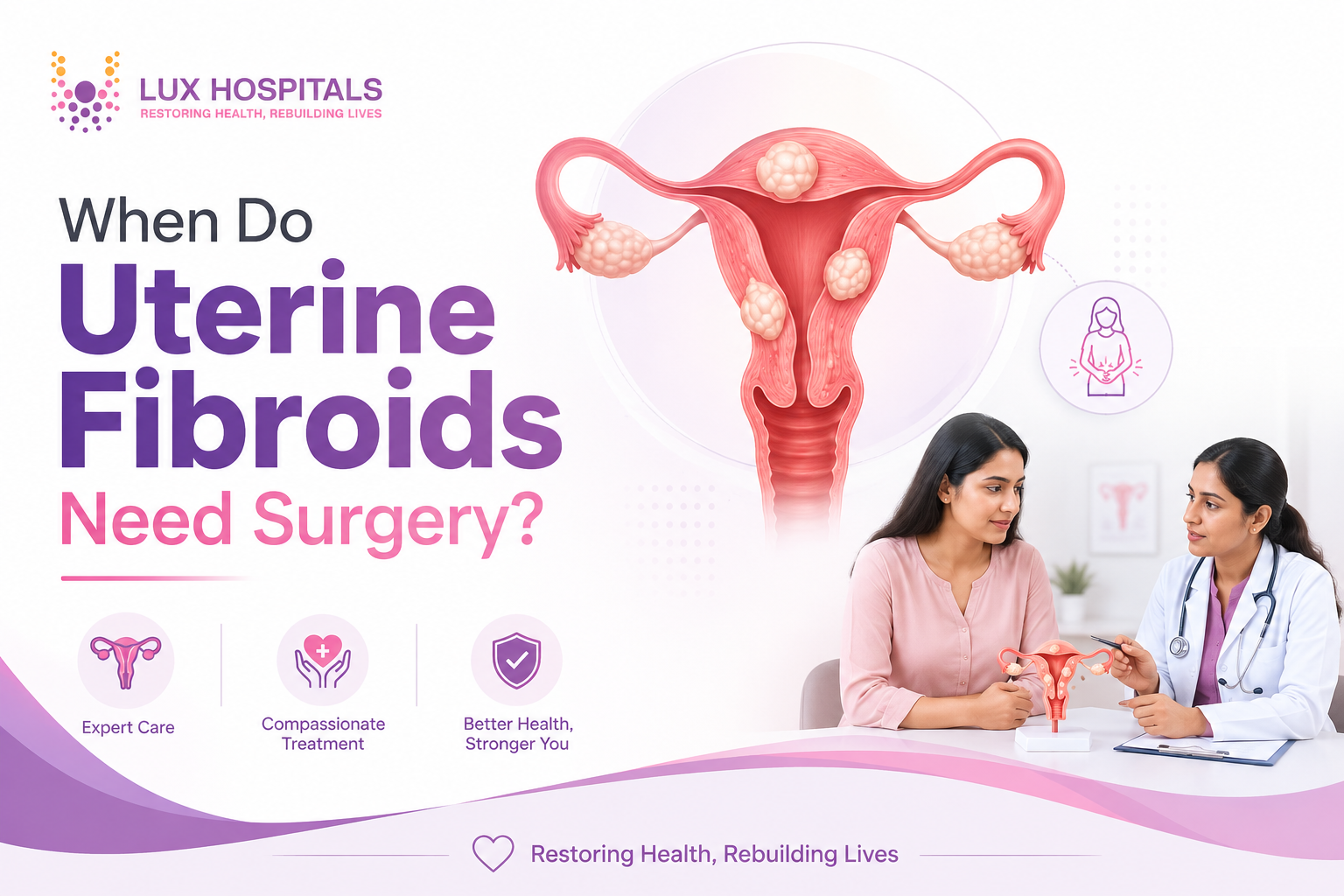
Common, non-cancerous growths that form in or near the uterus are called uterine fibroids. While some women may experience heavy periods, pelvic pressure, stomach pain, frequent urination, or fertility issues, many women have tiny fibroids without any symptoms. The good news is that not every woman with Uterine Fibroids needs surgery. Doctors usually consider the size, number, location, symptoms, age, fertility plans, and overall health before recommending treatment. So, when do fibroids actually require surgery? Understanding the warning signs and available treatment options can help you make an informed decision and seek timely medical care.

What Are Uterine Fibroids?
Uterine Fibroids are abnormal but usually benign growths that develop from the muscular tissue of the uterus. They can range from very small growths to larger masses that change the shape or size of the uterus.
Fibroids can develop in different locations:
- Intramural fibroids: Grow within the muscular wall of the uterus.
- Submucosal fibroids: Develop beneath the inner lining of the uterus and may affect menstrual bleeding.
- Subserosal fibroids: Grow toward the outer surface of the uterus and may cause pressure symptoms.
- Pedunculated fibroids: Grow on a stalk-like structure attached to the uterus.
The symptoms often depend more on the location and size of the fibroid than simply the number of fibroids present.
When Do Uterine Fibroids Need Surgery?
Not all cases call for surgery. When fibroids cause ongoing symptoms, interfere with day-to-day activities, or result in issues that do not resolve with previous therapies, doctors may suggest surgery.
1. Heavy or Prolonged Menstrual Bleeding
One of the most common signs that Uterine Fibroids may require treatment is unusually heavy or prolonged menstrual bleeding.
You may need a medical evaluation if you:
- Soak through sanitary products frequently.
- Pass unusually large blood clots.
- Bleed for more than a week regularly.
- Feel tired, weak, or dizzy because of blood loss.
- Develop iron-deficiency anaemia.
If medication does not control excessive bleeding, your gynaecologist may discuss procedures or surgery to treat the underlying fibroid.
2. Persistent Pelvic Pain or Pressure
Large uterine fibroids can cause pelvic heaviness, discomfort in the abdomen, back pain, or painful sexual activity by pressing against surrounding organs. Your doctor may suggest additional testing and possibly surgery if the pain persists despite medication or interferes with sleep, job, exercise, or everyday activities.
The decision depends on the fibroid’s size, location, symptoms, and response to previous treatment.
How Do Fibroids Affect Fertility?
Some Uterine Fibroids can interfere with conception or pregnancy, particularly when they distort the inner cavity of the uterus.
Fibroids may affect fertility by:
- Changing the shape of the uterine cavity.
- Interfering with implantation.
- Affecting the movement of sperm or embryos.
- This increases the risk of certain pregnancy complications.
However, having fibroids does not automatically mean you will have fertility problems.
When Is Surgery Considered for Fertility?
If a fibroid significantly changes the uterine cavity or is strongly suspected to affect fertility, a gynaecologist may recommend removing it. The treatment approach should be individualised, especially for women who want to become pregnant. At Lux Hospitals, specialists can evaluate your reproductive goals, as well as the fibroid’s location and characteristics, before recommending treatment.
What Other Symptoms May Require Treatment?
Some Uterine Fibroids cause symptoms by pressing against nearby organs. A large fibroid may press on the bladder, leading to frequent urination or difficulty emptying the bladder.
Fibroids located toward the back of the uterus may also press on the bowel, leading to constipation or discomfort.
Seek medical evaluation if you experience:
- Frequent urination without another clear cause.
- Difficulty passing stools.
- Persistent abdominal swelling or fullness.
- Lower back discomfort.
- Pain during sexual intercourse.
- Symptoms that steadily become worse.
Surgery may be considered when these symptoms are significant and other treatment options have not provided adequate relief.
How Are Uterine Fibroids Diagnosed?
Before recommending surgery, your doctor needs to understand the number, size, and location of the fibroids.
Common Diagnostic Tests
Your evaluation may include:
- Pelvic examination: Helps your doctor identify changes in the size or shape of the uterus.
- Ultrasound: Provides images of the uterus and helps identify fibroids.
- MRI: May provide more detailed information when several or complex fibroids are present.
- Blood tests: Can help identify anaemia caused by heavy menstrual bleeding.
- Hysteroscopy: May be recommended when a fibroid is suspected inside the uterine cavity.
Your doctor uses these findings, along with your symptoms and reproductive plans, to develop an appropriate treatment strategy.
What Surgical Treatments Are Available?
The type of surgery depends on the fibroid’s location, size, number, symptoms, and your future pregnancy plans.
Myomectomy
A myomectomy removes fibroids while preserving the uterus. It may be suitable for women who want to retain their uterus or plan to have children.
Depending on the situation, myomectomy may be performed through different approaches, including hysteroscopic, laparoscopic, or open surgery.
Hysteroscopic Fibroid Removal
This minimally invasive procedure may be suitable for selected fibroids that project into the uterine cavity. The surgeon accesses the fibroid through the vagina and cervix, avoiding abdominal incisions.
Laparoscopic Myomectomy
Laparoscopic surgery uses small abdominal incisions and specialised instruments to remove selected fibroids. It may offer benefits such as smaller incisions and a potentially faster recovery compared with traditional open surgery in appropriate patients.
Hysterectomy
Because the uterus is removed after a hysterectomy, fibroids can be definitively treated. Depending on each patient’s unique situation, doctors may consider it for women with severe symptoms who do not want to maintain fertility.
Is Surgery Always Necessary for Fibroids?
No. Many women with Uterine Fibroids can manage their symptoms without surgery.
Your doctor may recommend observation when fibroids are small, symptoms are mild, and there are no significant complications.
Non-surgical approaches can include:
- Monitoring fibroid growth through regular examinations.
- Medicines to control heavy menstrual bleeding or pain.
- Hormonal treatments when appropriate.
- Treatment for anaemia caused by excessive bleeding.
- Other uterus-preserving procedures in selected cases.
The best treatment depends on your individual symptoms and health goals.
What Happens After Fibroid Surgery?
Recovery varies according to the type of procedure performed.
After surgery, your doctor may recommend:
- Taking prescribed medicines as directed.
- Avoiding strenuous activity during the initial recovery period.
- Attending follow-up appointments.
- Monitoring for unusual bleeding, fever, severe pain, or other concerning symptoms.
- Following specific instructions regarding exercise and sexual activity.
Minimally invasive procedures may allow some patients to return to normal activities sooner, but recovery times vary from person to person.
When Should You See a Gynaecologist?
Do not ignore symptoms simply because fibroids are usually non-cancerous. Persistent or worsening symptoms deserve proper evaluation. You should consider consulting a gynaecologist if you experience heavy periods, pelvic pain, abdominal pressure, unexplained anaemia, fertility difficulties, or rapidly worsening symptoms. Early evaluation helps your doctor determine whether observation, medication, a minimally invasive procedure, or surgery is appropriate.
Why Choose Lux Hospitals for Fibroid Treatment?
At Lux Hospitals, fibroid care focuses on accurate diagnosis, personalised treatment planning, and patient-centred guidance. Specialists evaluate the size and location of fibroids along with symptoms, age, medical history, and fertility goals before recommending treatment. The goal is not simply to remove a fibroid but to select an approach that addresses your symptoms while considering your long-term health and reproductive plans. If you have been diagnosed with fibroids or are experiencing symptoms that concern you, a specialist consultation can help you understand your options with greater confidence.
Conclusion
Surgery is not usually necessary for uterine fibroids, but persistent symptoms should never be disregarded. A thorough gynaecological evaluation may be necessary in cases of heavy monthly flow, pelvic pressure, persistent pain, anaemia, bowel or urine issues, and fertility issues. The right treatment depends on more than fibroid size alone. A personalised evaluation can help determine whether monitoring, medication, minimally invasive treatment, or surgery is the safest and most suitable choice. If Uterine Fibroids are affecting your comfort, health, or quality of life, consult the specialists at Lux Hospitals to understand your treatment options and take an informed step toward better gynaecological health.