Dr. Samhitha Reddy
Consultant Proctologist & Laparoscopic Surgeon
MBBS, MS, FMAS, FISCP, DMAS
- 8 Yrs
- ASCRS Member
By Dr Harshita Kakarla · MBBS, MS, FMAS 20 March 2025 5 min read Updated 10 March 2026
Myomectomy is a surgical procedure performed to remove uterine fibroids while preserving the uterus. It is often recommended for women experiencing severe fibroid-related symptoms such as heavy menstrual bleeding, pelvic pain, and fertility issues. Unlike a hysterectomy, which removes the entire uterus, myomectomy allows women to retain their reproductive organs, making it a preferred choice for those who wish to conceive in the future. However, like any surgical procedure, myomectomy has benefits and risks.
One of the primary reasons women undergo a myomectomy is to alleviate the symptoms caused by fibroids. These symptoms can include heavy or prolonged menstrual bleeding, pelvic pain, frequent urination, and bloating. Removing fibroids can provide significant relief and improve the quality of life.
For women who wish to conceive, myomectomy is a beneficial option as it removes fibroids while keeping the uterus intact. This is particularly important for women who are planning pregnancy, as fibroids can sometimes interfere with conception and increase the risk of miscarriage.
Women struggling with infertility due to fibroids may find myomectomy helpful in enhancing their chances of conception. By removing fibroids that distort the uterine cavity or block the fallopian tubes, this procedure can improve reproductive outcomes and increase the likelihood of a successful pregnancy.
A myomectomy offers a uterus-preserving alternative to hysterectomy. Many women prefer this procedure as it allows them to avoid the hormonal and emotional changes associated with the removal of the uterus.
Myomectomy can be performed using different techniques, depending on the size, location, and number of fibroids. The three main types include:
While myomectomy provides numerous benefits, it is essential to be aware of the potential risks and complications associated with the procedure.
Laparoscopic myomectomy, though minimally invasive, carries risks such as excessive bleeding, infection, and injury to surrounding organs. In some cases, fibroids may recur, requiring additional treatment.
As with any surgery, myomectomy carries risks such as excessive bleeding, infection, and anesthesia-related complications. In some cases, a blood transfusion may be necessary if there is significant blood loss.
After a myomectomy procedure, scar tissue (adhesions) may develop inside the uterus or surrounding organs, potentially leading to pelvic pain or fertility issues.
Women who undergo myomectomy, particularly abdominal or deep fibroid removal, may have a weakened uterine wall. This increases the risk of uterine rupture during pregnancy, especially if they plan to have a vaginal delivery. In many cases, doctors recommend a cesarean section for future pregnancies.
One of the side effects of myomectomy surgery is the potential recurrence of fibroids. While the procedure removes existing fibroids, new ones can develop over time, leading to the possibility of future treatments.
While myomectomy can enhance fertility, in some cases, it may lead to complications such as scarring in the uterus, which might affect implantation or increase the risk of miscarriage.
The recovery period varies depending on the type of myomectomy performed. A laparoscopic or hysteroscopic myomectomy generally has a shorter recovery time, whereas an abdominal myomectomy may require several weeks of healing. Women should plan for adequate rest and follow post-surgery care instructions to ensure proper recovery.
Myomectomy is a valuable surgical option for women suffering from symptomatic fibroids who wish to preserve their fertility. It offers significant relief from fibroid-related symptoms and improves the chances of conception. However, it is crucial to be aware of the associated risks, such as fibroid recurrence, surgical complications, and potential impact on pregnancy.
Consulting with a qualified healthcare provider will help determine the best treatment approach based on individual needs and medical history. If you are considering myomectomy, discuss the benefits and risks of myomectomy with your doctor to make an informed decision about your reproductive health.
The benefits of myomectomy include relief from heavy bleeding and pelvic pain, preservation of the uterus, improved fertility, and an alternative to hysterectomy for women who want to retain their reproductive ability.
To reduce risks after myomectomy, follow post-surgical care instructions, avoid heavy lifting, stay hydrated, eat a balanced diet, take prescribed medications, monitor for complications, and attend follow-up appointments.
Myomectomy is generally safe but carries some risks, such as bleeding, infection, scarring, and fibroid recurrence. The risk level depends on the type of procedure and individual health factors.
The risk of laparoscopic myomectomy includes excessive bleeding, infection, damage to surrounding organs, and the possibility of fibroid recurrence.
Yes, fibroids may recur even after removal, especially in younger women or those with a family history of fibroids. Regular follow-ups with a doctor can help monitor recurrence.
Some side effects may include post-surgical pain, swelling, fatigue, and temporary menstrual irregularities. In some cases, scarring inside the uterus can affect implantation.
Doctors typically recommend waiting 3 to 6 months after surgery before trying to conceive, allowing the uterus to heal properly.
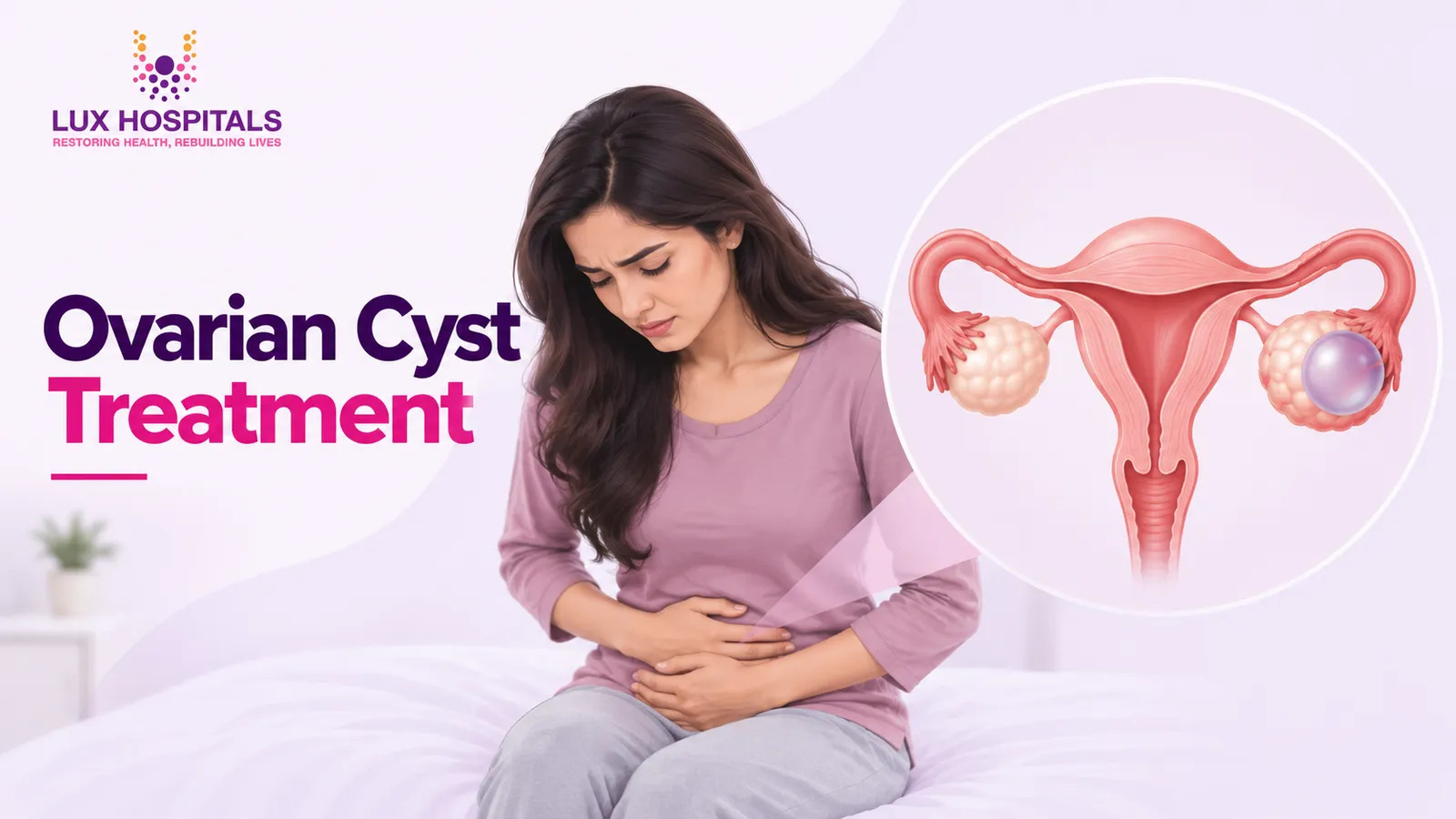
An ovarian cyst that remains on repeat scans does not automatically mean that surgery is needed. Many ovarian cysts are benign and may disappear without treatment. Your gynaecologist will consider the cyst’s size, appearance, symptoms, age, menstrual status, and whether it changes over time when deciding whether to monitor or treat.
14 October 2026
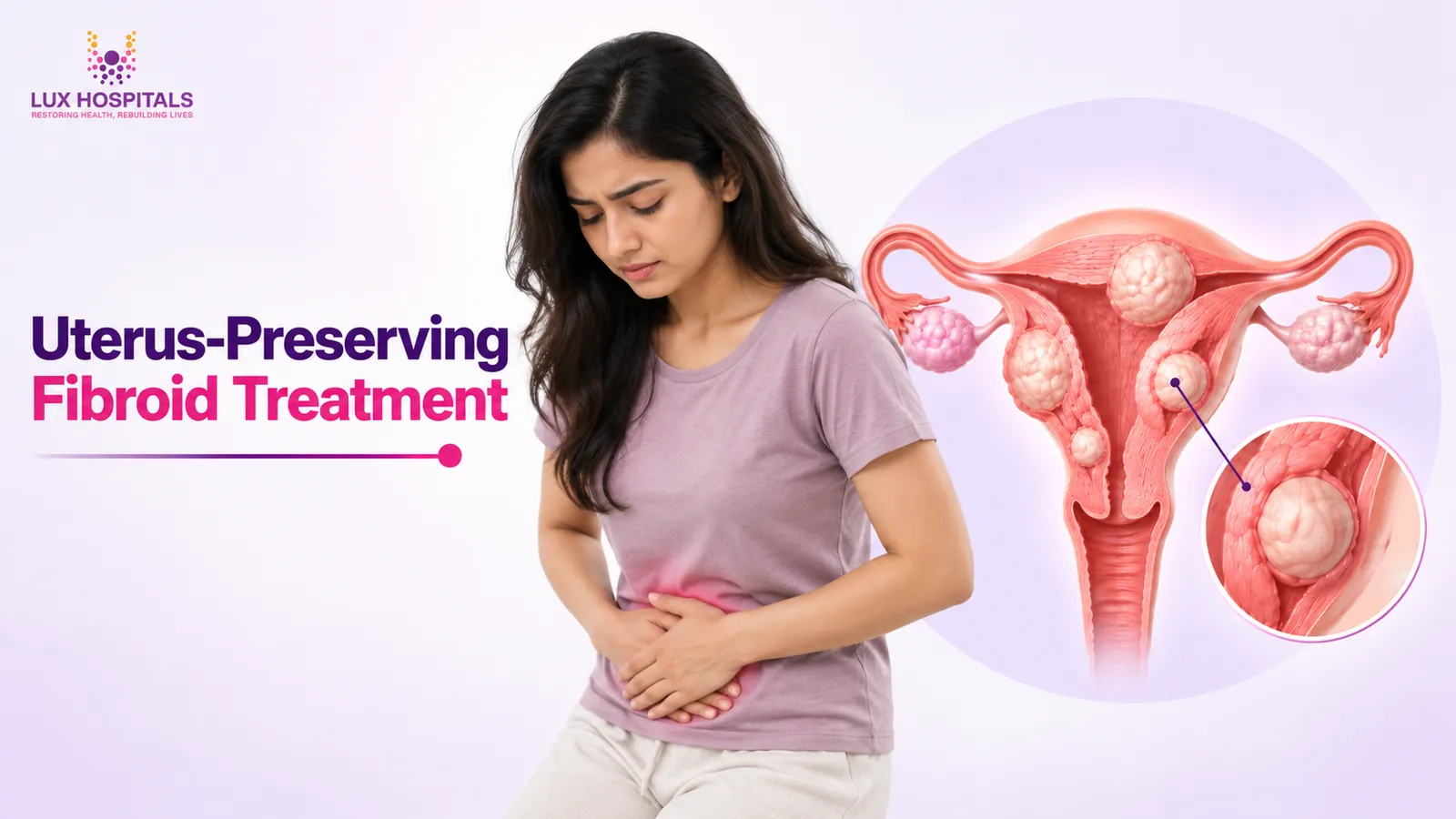
Uterus-preserving fibroid treatment may be considered when a woman wants to manage fibroids while keeping the uterus for future pregnancy. The right option depends on the fibroid’s size, number, location, symptoms, effect on the uterine cavity, age, fertility plans and overall health. Myomectomy is one uterus-preserving option.
12 October 2026
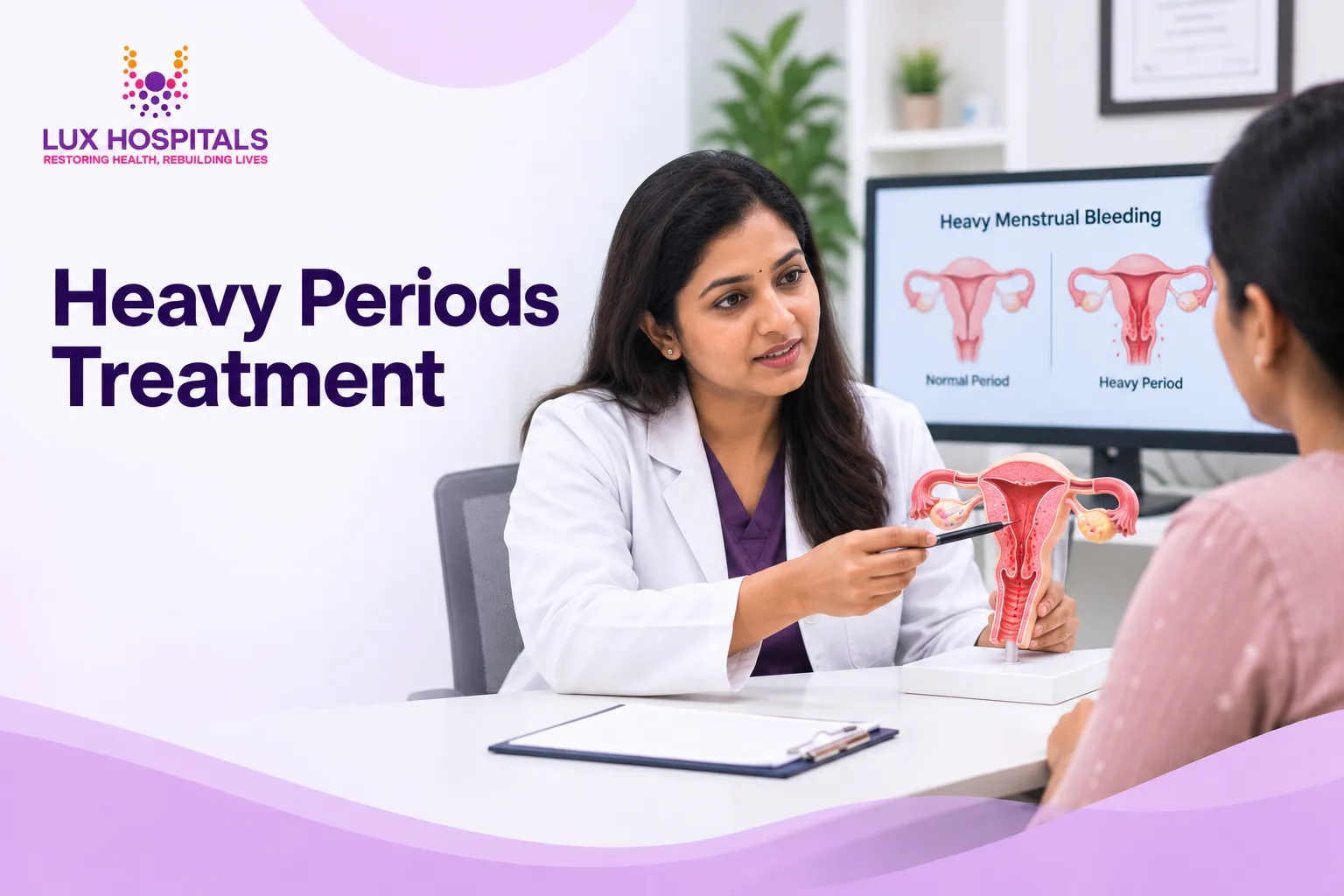
Heavy periods might influence your energy, work, sleep, emotions, and daily routine. While some women may experience less bleeding after taking medication, symptoms may occasionally persist or recur. Rather than continuing to self-medicate, persistent severe bleeding should be properly evaluated by a gynaecologist.
6 October 2026
Send your reports across and a senior surgeon will review them, explain the options and tell you honestly whether surgery is the right call.
Plot No.116, Lumbini Avenue, HITEC CITY, Near IKEA, Hyderabad – 500032