











Knee Pain Treatment in Hyderabad: When to See an Orthopaedic Specialist
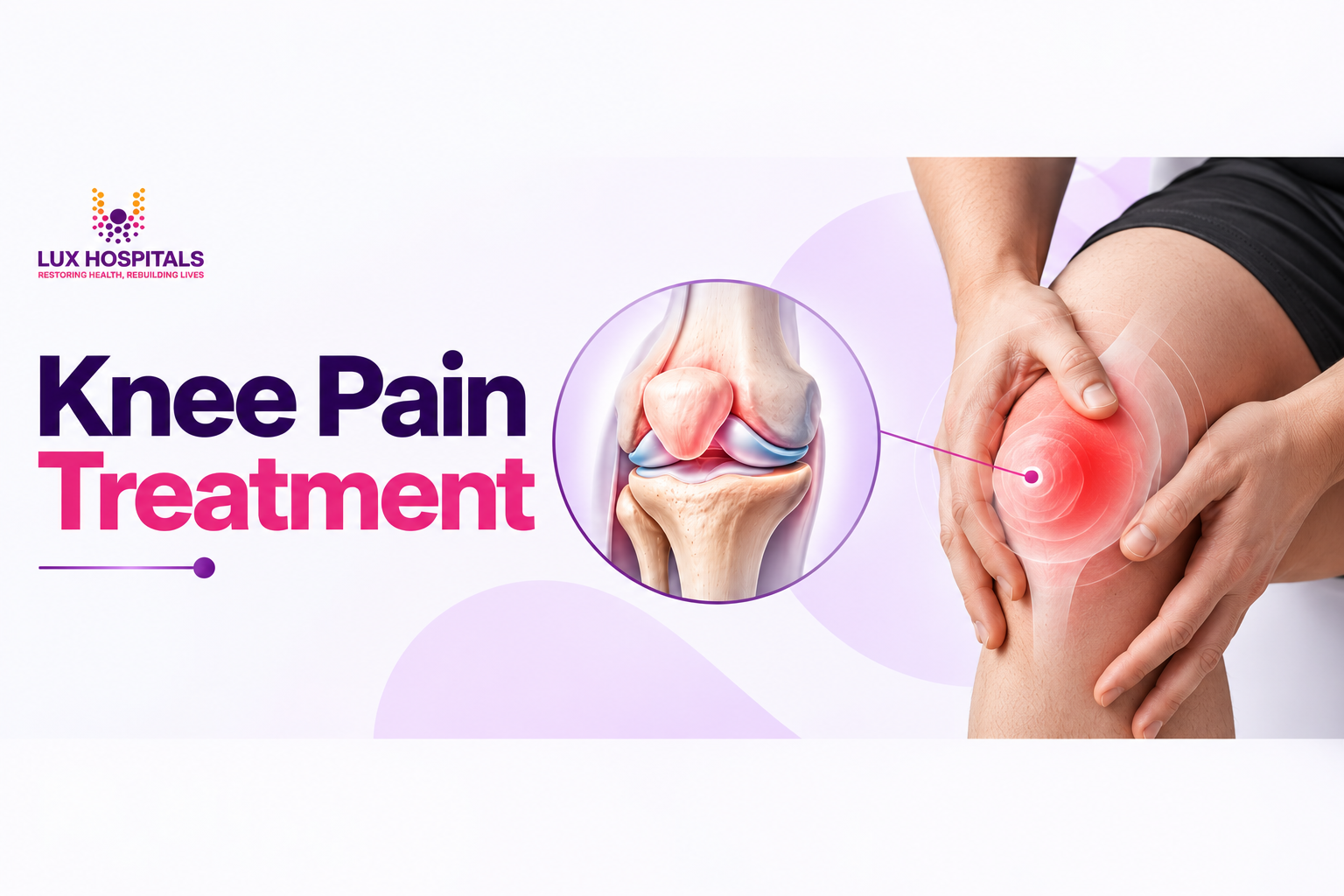
Knee pain treatment in Hyderabad depends on why your pain continues despite medicines and physiotherapy. Persistent pain may indicate arthritis, cartilage or meniscus damage, a ligament injury, inflammation, or another condition that requires reassessment.Knee pain treatment in Hyderabad An orthopaedic specialist can review your symptoms, examine the knee, order appropriate imaging, and recommend non-surgical or surgical treatment based on the diagnosis.

Why Does Knee Pain Continue Despite Medicines and Physiotherapy?
Persistent knee pain means your symptoms have not improved as expected with the treatment already tried. This does not automatically mean that surgery is required. Knee pain treatment in Hyderabad should start with identifying the cause of the ongoing symptoms. A patient may need a different exercise programme, medication review, additional testing, or treatment for an underlying structural problem. For example, pain that continues after physiotherapy could be related to osteoarthritis, a meniscus tear, ligament injury, patellofemoral pain, tendon irritation or another joint condition. If pain interferes with walking, climbing stairs, sleeping, working, or exercising, discussing the problem with a knee specialist can help clarify the next step.
What Are the Common Causes of Persistent Knee Pain?
Persistent knee pain can result from arthritis, previous injuries, overuse, inflammation or structural damage within the knee.
Osteoarthritis
Osteoarthritis is a condition in which the tissues that form a joint gradually change, which can cause pain, stiffness, and reduced movement. Knee osteoarthritis is particularly common as people age, although knee symptoms can also occur in younger adults for several reasons. Pain may worsen with activities such as prolonged walking, climbing stairs, squatting, or standing for long periods.
Meniscus or Cartilage Injury
The meniscus is a cushion of cartilage inside the knee that helps distribute load and improve stability. A tear can cause pain, swelling, catching or a sensation that the knee is locking. An orthopaedic assessment may be particularly useful when symptoms began after twisting the knee or playing sports.
Ligament or Tendon Problems
Ligaments connect bones and help stabilise the knee. Tendons connect muscles to bones. Injuries or irritation involving these structures may cause pain, instability or difficulty with certain movements. Repeated sports activity, sudden changes in training, poor movement mechanics and previous injuries can contribute to symptoms.
Other Causes
Other possible causes include bursitis, inflammatory arthritis, gout and infection. Pain in the knee can also occasionally be referred from another area, so a detailed examination matters.
What Symptoms Should You Discuss With a Knee Specialist?
Discuss persistent knee pain with a knee specialist if symptoms continue, worsen, or interfere with normal activities.
Tell your doctor if you experience:
- Pain that persists despite prescribed treatment
- Recurrent swelling
- Knee stiffness or reduced movement
- Pain while climbing stairs or standing up
- A clicking, catching or locking sensation
- The knee giving way
- Difficulty putting weight on the leg
- Pain that regularly wakes you from sleep
- Symptoms following a sports injury or fall
Keeping a short record of when the pain occurs can also help. Note whether it is worse during walking, sitting, squatting, climbing stairs or after exercise.
When Is Knee Pain an Emergency?
Severe knee pain with significant swelling, deformity, inability to bear weight or a hot, red joint with fever requires prompt medical assessment.
Seek urgent medical care if:
- You cannot move the knee or put weight on it.
- The knee has changed shape after an injury.
- There is sudden, severe swelling.
- The knee becomes hot and red, particularly with fever or chills.
- The knee locks and cannot be moved normally.
- You develop severe pain following a significant fall or injury.
A hot, swollen joint with fever can indicate infection and should not be managed at home without medical assessment.
How Is Knee Pain Diagnosed at a Hospital?
Diagnosis starts with a detailed medical history and physical examination. Imaging is then chosen based on the suspected cause rather than ordered automatically for every patient.
Step 1: Medical History
Your orthopaedic specialist may ask:
- When did the pain begin?
- Was there an injury?
- Where exactly does it hurt?
- What activities make it worse?
- Is there swelling or stiffness?
- Does the knee lock or give way?
- What medicines and physiotherapy have you tried so far?
Step 2: Physical Examination
The doctor may assess knee movement, tenderness, swelling, alignment, stability and muscle strength.
The examination can help identify whether the symptoms are more consistent with arthritis, ligament injury, meniscus damage, tendon problems or another condition.
Step 3: Imaging and Other Tests
An X-ray may help assess bone alignment and changes associated with arthritis. An MRI can provide more detailed information about soft tissues such as the meniscus, cartilage and ligaments when clinically appropriate.
Blood tests may sometimes be considered when an inflammatory or infectious condition is suspected.
What Can Knee Pain Treatment in Hyderabad Include?
Knee pain treatment in Hyderabad is selected based on the diagnosis, symptom severity, age, activity level, and response to previous treatment. Surgery is not automatically the next step when medicines or physiotherapy have not worked.
Non-Surgical Treatment
Depending on the condition, treatment may include:
- Activity modification
- A targeted physiotherapy programme
- Strengthening and flexibility exercises
- Weight management when appropriate
- Pain-relieving or anti-inflammatory medicines prescribed by a doctor
- Braces or walking aids in selected cases
- Injections for specific conditions when clinically appropriate
Physiotherapy is often more effective when exercises match the underlying problem. Repeating the same exercises despite persistent symptoms may not address the underlying cause. The American Academy of Orthopaedic Surgeons recommends exercise and other non-surgical measures as important components of care for knee osteoarthritis. Treatment decisions should still be individualised for each patient.
When Could Surgery Be Considered?
Surgery may be considered when there is a structural problem or advanced joint damage and appropriate non-surgical treatment has not provided adequate relief.
Possible procedures include:
- Knee arthroscopy: minimally invasive surgery used for selected problems involving structures inside the knee.
- Ligament or meniscus surgery: considered for specific injuries based on symptoms, examination and imaging.
- Partial knee replacement: replaces the damaged portion of the knee in appropriately selected patients.
- Total knee replacement: replaces damaged joint surfaces when advanced disease causes significant pain and functional limitation.
You can learn more about knee arthroscopy at Lux Hospitals if your specialist identifies a condition that may benefit from minimally invasive surgery.
For severe joint damage, your doctor may discuss knee replacement surgery at Lux Hospitals after evaluating your symptoms, examination findings and imaging.
What Can You Expect During Recovery?
Recovery depends strongly on the diagnosis and treatment. Non-surgical care may require several weeks of regular exercise and activity modification, while surgical recovery varies considerably between procedures.
| Treatment | General recovery considerations |
| Physiotherapy | Progress depends on the condition and exercise consistency |
| Medication-based care | Improvement varies according to the underlying cause |
| Arthroscopy | Recovery depends on whether cartilage, meniscus or another structure was treated |
| Ligament surgery | Rehabilitation is usually structured over several months |
| Knee replacement | Rehabilitation begins early and progresses gradually after surgery |
Your surgeon and physiotherapist should provide a personalised rehabilitation plan. Don’t judge recovery only by pain level; movement, strength, stability, and the ability to do daily activities also matter.
What Does Knee Pain Treatment in Hyderabad Cost?
The cost of knee replacement surgery at Lux Hospitals knee pain treatment varies because there is no single treatment for persistent knee pain. A consultation, medicines and physiotherapy generally cost less than procedures such as arthroscopy or knee replacement. If knee replacement becomes necessary, published Hyderabad estimates vary considerably depending on the procedure, implant, hospital, room category and other factors. Lux Hospitals currently lists prices based on factors such as implant type, surgery type, and hospital stay This is an indicative figure, not a personalized quotation. Always request a current, estimate after diagnosis because treatment costs can change and individual requirements differ.
What Should You Ask Your Orthopaedic Specialist?
Taking questions to your appointment can make the consultation more useful.
Consider asking:
- What is the most likely cause of my knee pain?
- Does my previous diagnosis still explain my symptoms?
- Do I need an X-ray, MRI or another test?
- Should my physiotherapy programme be changed?
- Are medicines still appropriate for me?
- Could an injection help in my specific condition?
These questions can help you understand why a particular treatment is recommended, rather than simply asking whether you need surgery.
Conclusion
Persistent knee pain after medicines and physiotherapy deserves reassessment rather than repeated self-treatment. Finding the underlying cause can help determine whether you need a modified rehabilitation plan, medication adjustment, an injection, minimally invasive treatment or surgery. For personalised knee pain treatment in Hyderabad, discuss your symptoms with an experienced orthopaedic specialist who can assess your knee and explain the appropriate options. Book a consultation with our Orthopaedic specialists at Lux Hospitals.
Frequently Asked Questions
If your knee discomfort persists for several weeks, keeps coming back, worsens, or interferes with your everyday activities, consult an orthopaedic professional. After a serious injury, or if the knee is swollen, unstable, or difficult to move, get an evaluation sooner.
Yes, many knee conditions can be managed without surgery using appropriate exercise, physiotherapy, activity modification, medicines and selected injections. The treatment depends on the underlying diagnosis and how severely the knee is affected.
No, not every patient with knee pain needs an MRI. Your doctor may recommend an MRI when the examination and symptoms suggest a problem involving structures such as the meniscus, cartilage or ligaments.
Knee replacement may be considered when significant joint damage causes persistent pain and functional limitation despite appropriate non-surgical treatment. The decision depends on symptoms, examination, imaging and the overall effect on your quality of life.
Lux Hospitals provides evaluation and treatment for different causes of knee pain, including arthritis, sports injuries, ligament problems and other joint conditions. Depending on the diagnosis, treatment may include physiotherapy, medicines, injections, arthroscopy or knee replacement surgery.
You can book a consultation with the Orthopaedic Department at Lux Hospitals for persistent or worsening knee pain. The specialist can review your previous treatment, examine your knee and recommend appropriate investigations and treatment based on your condition.