









Dilation and Curettage (D&C): When Is It Required?
Women’s health procedures often sound intimidating, especially when you first hear terms like Dilation and Curettage. Many patients feel anxious because they do not fully understand why the procedure is being performed or what to expect. In reality, Dilation and Curettage is a common, safe, and effective medical procedure that gynaecologists use for both diagnosis and treatment. In this blog, we will explain Dilation and Curettage in simple terms, discuss when it is required, highlight its benefits, outline recovery expectations, and answer common patient questions.
What Is Dilation and Curettage?
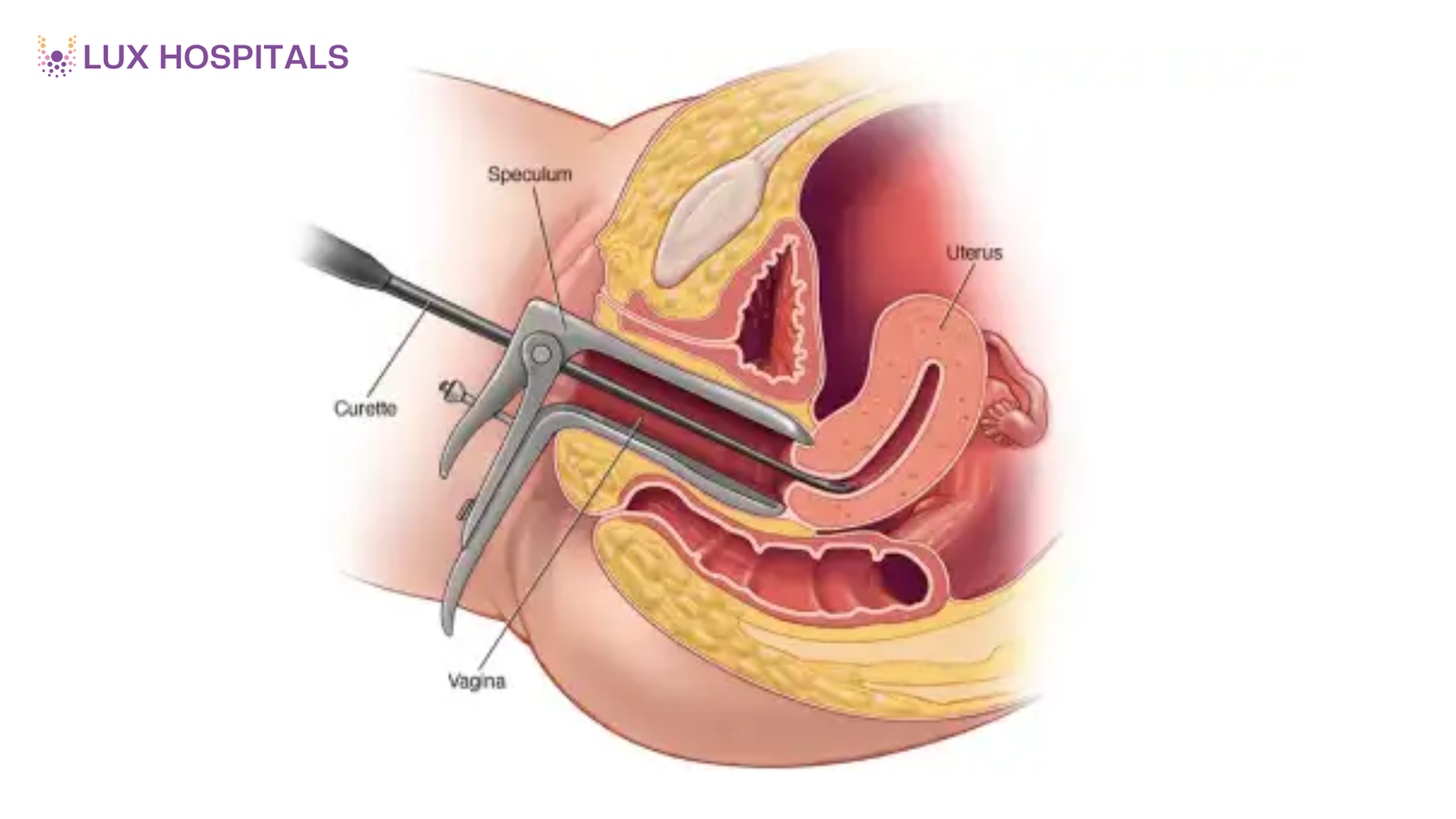
Dilation and Curettage is a minor surgical procedure where a doctor gently widens (dilates) the cervix and removes tissue from the inner lining of the uterus (curettage). Doctors perform this procedure in a hospital or surgical centre under anaesthesia.
Gynaecologists use Dilation and Curettage for two main reasons:
- To diagnose uterine conditions
- To treat certain gynaecological or pregnancy-related issues
Because it is a short procedure, most patients go home the same day.
When is Dilation and Curettage Required?
Doctors recommend Dilation and Curettage in specific medical situations. It is not done unnecessarily. Here are the most common reasons:
1. Heavy or Abnormal Uterine Bleeding
If you experience prolonged, irregular, or very heavy menstrual bleeding, your doctor may suggest Dilation and Curettage to:
- Remove excess tissue
- Identify hormonal imbalances
- Detect uterine polyps or fibroids.
- Rule out precancerous or cancerous changes.
The procedure helps control bleeding and provides tissue samples for laboratory testing.
2. Miscarriage Management
After a miscarriage, some tissue may remain inside the uterus. In such cases, Dilation and Curettage helps:
- Prevent infection
- Stop excessive bleeding
- Ensure complete removal of pregnancy tissue.
- Support emotional and physical healing.
This use of Dilation and Curettage ensures proper healing of the uterus and reduces the risk of complications.
3. Diagnosis of Uterine Conditions
Doctors may use Dilation and Curettage to diagnose:
- Endometrial hyperplasia
- Uterine polyps
- Endometrial cancer
- Unexplained infertility issues
The collected tissue is sent to a lab for microscopic examination, providing accurate diagnostic information.
4. Removal of Uterine Polyps
Uterine polyps can cause irregular bleeding and discomfort. Dilation and Curettage allows doctors to remove these growths and relieve symptoms safely.
5. Postpartum Complications
Sometimes, after childbirth, small fragments of placenta remain in the uterus. In such cases, Dilation and Curettage may be necessary to prevent infection and heavy bleeding.
How is Dilation and Curettage Performed?
Understanding the process reduces fear. Here is what typically happens:
- You receive local or general anaesthesia.
- The doctor dilates the cervix gradually.
- A curette (a small surgical instrument) removes the uterine lining tissue.
- The procedure usually takes 10–20 minutes.
Most women recover in a few hours and return home the same day after Dilation and Curettage.
Benefits of Dilation and Curettage
Dilation and Curettage offers several advantages:
- Quick and minimally invasive
- Provides an accurate diagnosis
- Stops abnormal bleeding
- Prevents infection after miscarriage
- Supports uterine healing
When performed by experienced specialists, Dilation and Curettage is both safe and effective.
Recovery After Dilation and Curettage
Recovery from Dilation and Curettage is usually smooth. Here’s what you can expect:
- Mild cramping for a few days
- Light vaginal bleeding
- Temporary fatigue
Recovery Tips:
- Avoid tampons for at least one week.
- Do not engage in sexual intercourse for a few days.
- Take prescribed medications
- Rest adequately
- Attend follow-up appointments
Most women resume normal activities within 1–2 days after Dilation and Curettage.
Risks and Complications
Although Dilation and Curettage is generally safe, like any procedure, it carries minor risks:
- Infection
- Heavy bleeding
- Uterine perforation (rare)
- Cervical injury (rare)
- Scar tissue formation
Choosing an experienced healthcare provider significantly reduces these risks.
When Should You See a Doctor After the Procedure?
Contact your doctor immediately if you experience:
- Fever above 101°F
- Severe abdominal pain
- Foul-smelling discharge
- Heavy bleeding (soaking more than one pad per hour)
Early intervention prevents complications and ensures complete recovery after Dilation and Curettage.
Why Choose Lux Hospitals Care for Dilation and Curettage?
Your comfort and safety matter. When skilled gynaecologists perform Dilation and Curettage, the procedure becomes smooth, precise, and low-risk. A trusted hospital ensures:
- Advanced medical technology
- Strict sterilisation protocols
- Compassionate nursing care
- Clear communication and counselling
- Post-procedure support
Conclusion
At Lux Hospital, experienced specialists prioritise patient comfort and transparent communication. The team ensures every woman feels informed, respected, and cared for throughout the process. Lux Hospital provides personalised treatment plans tailored to your needs. Your health journey deserves expert hands and compassionate support. At Lux Hospital, you receive both. If you are experiencing unusual symptoms or need professional advice, do not delay care. Consult the specialists at Lux Hospital for expert guidance and advanced women’s healthcare services.
Frequently Asked Questions
Doctors perform Dilation and Curettage under anaesthesia, so you will not feel pain during the procedure. After the anaesthesia wears off, you may experience mild cramping similar to menstrual cramps. Most women describe the discomfort as manageable and short-lasting.
Most women recover from Dilation and Curettage within one to two days and return to normal daily activities quickly. Light spotting and mild cramping may continue for a few days, which is completely normal. Full uterine healing may take a couple of weeks, depending on the procedure.
In most cases, Dilation and Curettage does not affect future fertility when performed safely by experienced gynaecologists. The uterus typically heals completely without long-term complications. Rarely, scar tissue may form, but this is uncommon and treatable.
Dilation and Curettage becomes medically necessary when a woman experiences heavy abnormal bleeding, incomplete miscarriage, retained placental tissue, or when doctors need a uterine biopsy for diagnosis.
After Dilation and Curettage, light bleeding or spotting usually lasts for a few days and may continue up to two weeks, depending on your body and the reason for the procedure. The flow is typically lighter than a normal period, but some women may notice small clots or mild cramping during this time.